There are two type of clappings. One is involuntary. For instance, out of extreme joy, a person strikes the palms of his hands together repeatedly and a clapping is formed. Or a child being jubilant at the sight of a doll or a ball claps instinctively. The second type of clapping is called voluntary whereby one claps intentionally to applaud others. This second type of clapping despite being universal, does not have its origin in our county, India.
In reality, voluntary clapping is a legacy of western culture. During the Roman Empire, when theatre and politics merged, one of the chief methods politicians used to evaluate their standing with the people was by gauging the greetings they got when they entered the arena. Clapping was first documented in the third century BC with the works of Roman playwright Plautus ending with the word “Plaudite”, a directive for the audience to applaud or clap.
Instances as above are not found in the history of our culture. People were astonished at the sight of heroic deeds performed by Sri Ram and Prince Arjun in the past during Seeta and Draupadi Swayamvaras respectively. But there is no mention of any clappings happened then.
Both hands are required for making a clap. “one hand cannot clap” is an Egyptian proverb. Palms of both hands meet to form a namaskar. We chant bhajan or sing aarthi by repeatedly striking the palms of our hands. But clapping is not an act of namaskar. Nor it is an act of chanting bhajan or singing aarthi. Clapping is applauding. This voluntary type of clapping was brought in our country by the European colonialists. They brought here games like cricket and football along with them and from then onwards Indians did hear the cheerful clappings at their playgrounds.
Later on, winds of free speech and expression started blowing in our country giving rise to social gatherings and political rallies which in turn were accompanied by clappings.
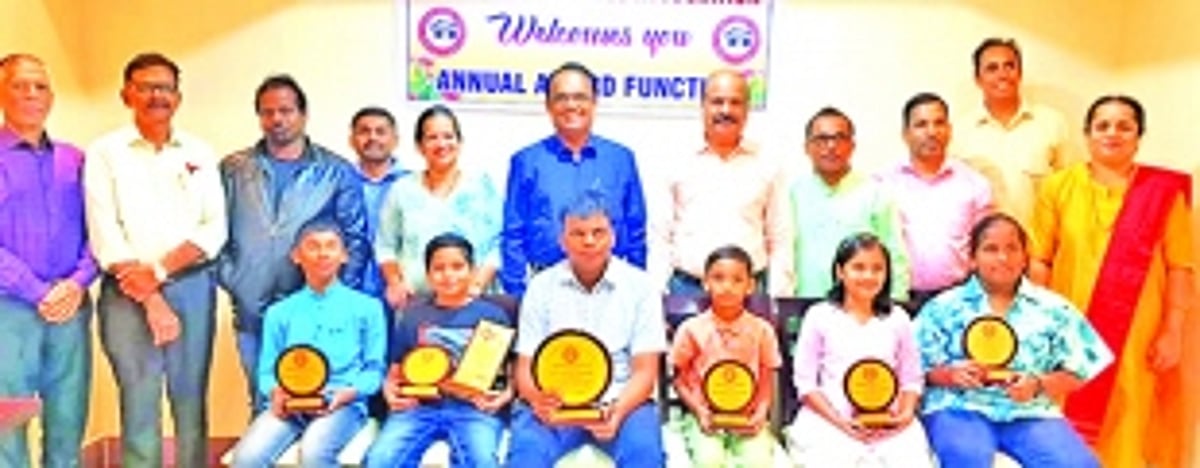
This eventually ensured better days for clappings ahead. People clapped and whistled in the pavilions of stage plays and in movie theatres while cheering the actions and dialogues of the actors. Clapping entered the halls of music and award shows, birthday parties and in the wedding events. Street performers also started their games by uttering the words as, “Bachhe log taliyan bajao”! Clapping is cheering. Opposite of cheering is booing.
In our country, members of the third gender traditionally clap. Their clap is distinct. The horizontal flat palms with fingers spread forcibly strike against each other in a perpendicular position. In common applause, the palms are vertical and fingers are closed. These transgenders clap for seeking attention.
Like laughter clapping is a contagious disease. Many a times, people laugh because others laugh not knowing the real reason behind it. Similar is the case of clapping. More often than not, many people clap because others clap! This is particularly noticeable at political rallies.
There are many health benefits of clapping. Clapping improves the overall heart health and maintains the blood pressure level. Blood circulation to various organs is also improved by regular clapping. Clapping also helps improve asthma related problems by promoting the function of nerve endings that connect these organs.