There is a religious aspect to many of the problems that our contemporary society faces such as intolerant fundamentalist movements and terrorist acts, racism, xenophobia, and ethnic conflicts. Democracy and religion need not be incompatible and can be valid partners. By tackling societal problems, the authorities can remove many of the causes of religious extremism. Education is the key way to combat the ignorance and misunderstanding.
Religion and religious communities are part of society. It is therefore in the State’s interest to ensure its citizens’ progress and their cultural and intellectual well-being, which it has a direct responsibility to do. If it is the aim of politics, the State and democracy to make citizens happy or as happy as possible, they must be offered every facility to fulfill themselves spiritually and culturally.

Democratic society should do more than merely respect religions; it should make it as easy as possible for people to exercise their faith. Religion is part of human culture and traditions. The State, with its laws, institutions and customs, should make sure that any transcendental awareness may flourish, something which is central to society and to the human mentality.
The State must also promote the cultural expression of religions and guarantee the right of religious organisations to social, charitable, missionary, cultural and educational activities. It should facilitate worship and the marking of religious festivals, as far as possible adapting believers’ duties as members of society in the light of the main religions’ calendars.
The authorities should do more to seek a moral commitment from the religious organisations on the major issues discussed in society. More regular discussions between democratic and religious institutions could lead to genuine co-operation in the effort to find solutions to the major problems of our contemporary societies.
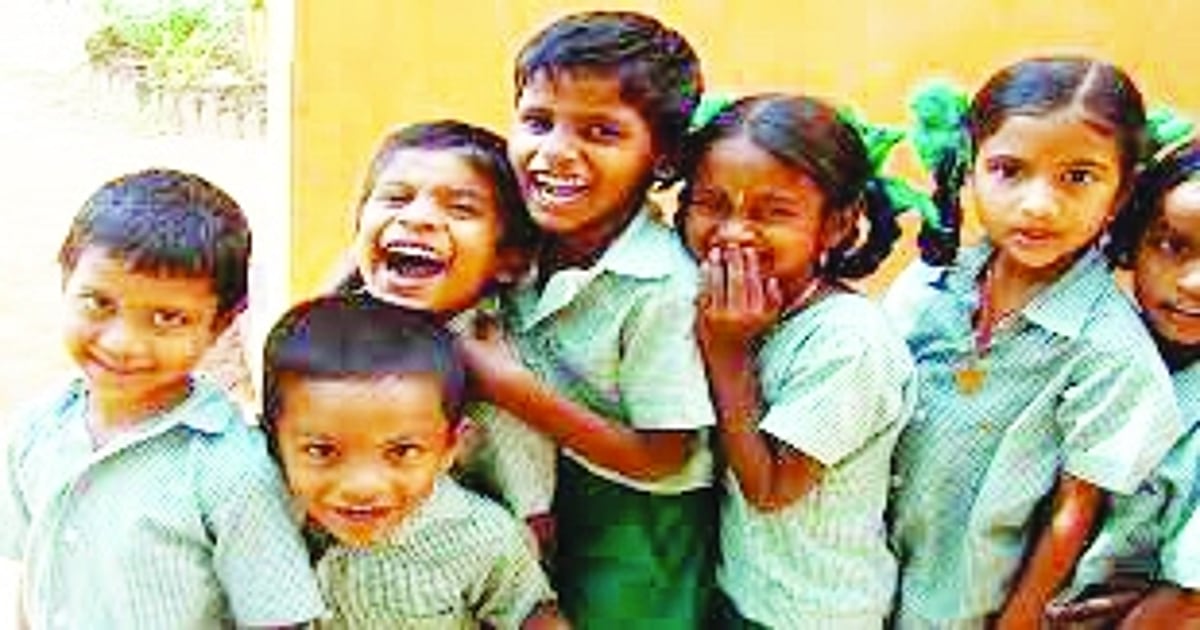
Education remains the only effective means of combating ignorance and intolerance. The comparative history of religions should be added, as a matter of urgency, to all school and university curricula. Democracy should also help the religious organisations in their philosophical development and their views of society, in such matters as the role of women.
It is not the role of religions to shape the world order. They can, however, through their moral message, their critical attitude to authority, their educational activity within society and their example of humanitarian commitment, contribute to society’s progress and to the perfecting of democracy. Religion cannot take the place of democracy and must not try to grasp power. As a consequence, political parties should not have religious denominations.
Democracy cannot, however, accept violations of human dignity and human rights in the name of a faith. Religious organisations which are made up of citizens, should submit to democratic laws. Any infringement against public order or against democracy must be penalised. Religious practice is limited by democratic law.