Memories, that have remained firmly fixed in the folds of my mind, come out occasionally and transport me to those ‘May feasts’ of long-ago days. The present ‘feast days’, appear as continuation of those feasts of the past.
On the feast day, a five-piece brass band welcomes the first streaks of light — “Alvorada” (dawn) — with tunes of the good old Mandos, which pleases the mind, soothes the ears and swells the heart with joy.
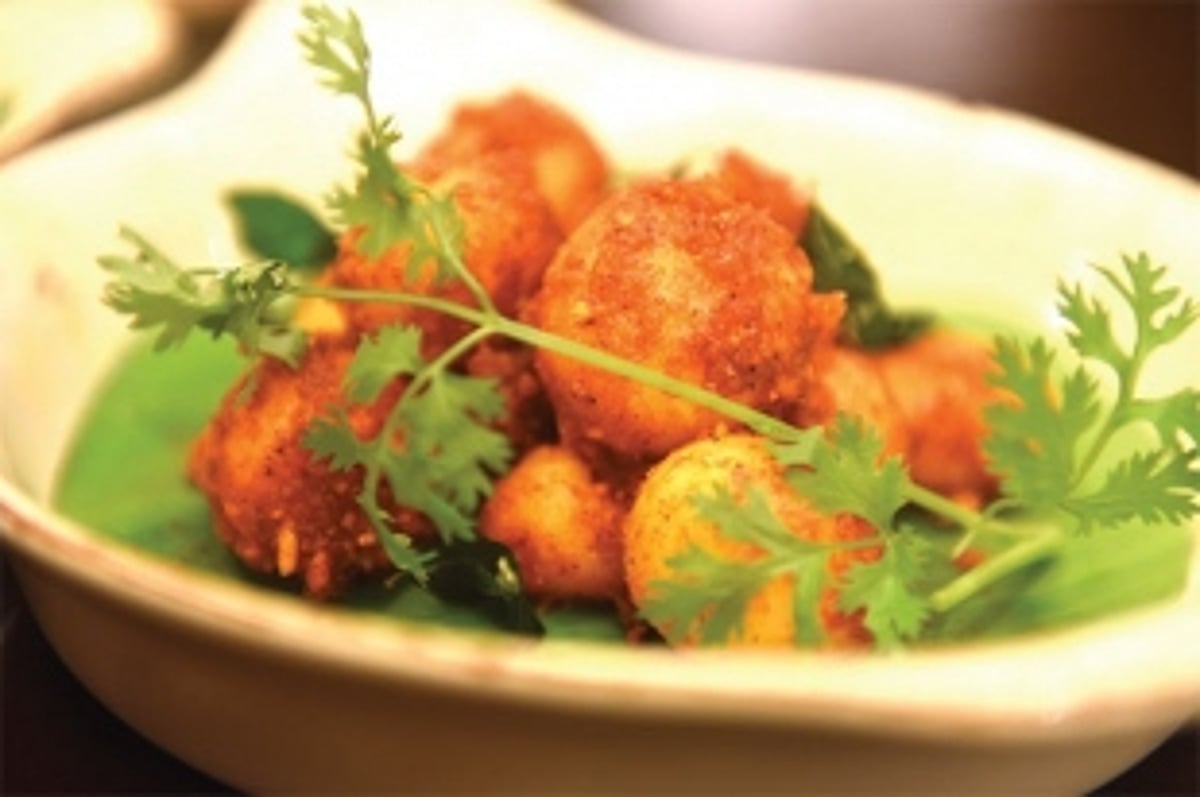
Then, ‘Dona de casa’ (housewife), rises up from bed; dips her hand in the dishpan and with pleasure and like a high-powered machine prepares ‘sanna vode festache’ (steamed rice muffins and flour fritters of the feast day) to make the feast food as tasty as that of Hotel de Jakin. Her main aim is to make her feast guests happy with her cooking.
The ‘Igreja’ (church) is decorated with buntings, flowers, festoons and beaded bulbs like a bride on her wedding day. The happy home is prettified with new ‘almofada’ (cushions) and new ‘cortina’ (curtains) making it looks like a ‘logisti deddi’ (shy – bridesmaid).
On ‘dia da festa’, gorgeous girls, get up very early in the morn. They powder their face, smooth their gowns, eye it critically in the mirror and like ships; they go sailing down the streets for the first morning Mass. After the Mass, these flower girls stand outside the church and pin the paper roses on the lapel of the feast flock that approach for different Masses of the feast day.
The colourful ‘procissao’ (procession) comes out of the church with the cross and lighted candles carried with pride and pomp by ‘Opmus’ (cape ) clad ‘confrade’ (members of brotherhood ); which moves slowly through the ‘feira’ (market) while the silver bell of the church peels joyfully from the tower like a drunk-fiddler on a roof. The choir master controls the choir of ten voices and five piece brass band dominated by ‘dol-cas’ (pair of drums). The procession has a touch of fashion parade.
The festive house, in days of old, was filled with the large family tree; with brothers and sisters and their branches — extended family; children of the next generation. It was a noisy lot in the house with their laughter roaring, deafening, booming, echoing and their elders gossiping away to glory. Some, talking all together was a joy to the ears. Now, some have slipped away into eternity; and others, have their relatives scattered all over the globe. Many have gone abroad to escape from poverty due to a situation of terrible unemployment problem that has reached its climax in our country.
Goans have a fabulous feast meal. It starts with ‘cerveja’ (beer); ‘assado de leitao’ (roast pigling); ‘arros refugado’ (pullao) and ‘sorpatel’.
When dusk falls on this good Earth, the feast day ends with a dance under the starry sky. Those who do not run to shake their legs on the dance floor go and sit in an open air enclosure to watch ‘tiatro’. It is also filled with songs, solos, duets and quartet based on reality happenings.
The feast day hours seemed to pass by in a jiffy. Goans love their May feast and experience the same old joys, which their fathers and grandfathers felt.