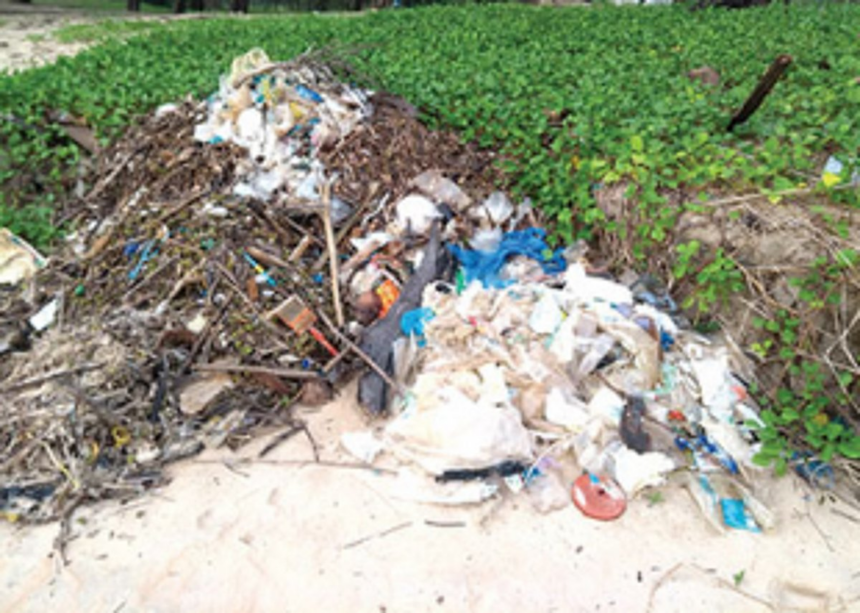
One of the visuals on the television that I often remember is the country’s prime minister, while on a morning walk along the seashore, picking up discarded plastic bags and putting them in trash cans. Most of our sea-shores have the same story to tell. The condition of seas the world over is no different. The plastic waste thrown into them is causing widespread damage to the environment and the lives of thousands of sea animals are endangered. Though we keep our homes and immediate surroundings spick-and-span, we do not think twice about littering public places with trash.
Rich countries have no qualm about dumping their trash, including chemical waste, on their poor cousins, for a price. The other day there was a news item about one such country shipping back thousands of tonnes of waste to the original country, as a consequence of public outcry.
It is heartening to note that our country has decided to ban single-use plastic items. It seems the government has been prodded to action by clogged and overflowing drainage and sewage systems, burst pipes, highly contaminated earth and water bodies, cattle dying after consuming plastic bags, marine animals entangled and trapped in plastic wastes, streets strewn with plastic bottles and bags, and smoke from burning plastic waste choking us.
The current pandemic has already compelled eateries to serve their customers in degradable paper plates and cups. You may soon get your tea or coffee at railway stations and airports in a small, single-use earthen pot. The government considers it a win-win situation, as the cottage industry will be revived and thousands of rural men and women will get gainful employment.
At wedding feasts, food may also be served, as in the distant past, on fresh banana leaves or other types of dried leaves stitched together, hopefully bringing the buffet culture to an end. The guests would once again be treated as guests in the real sense, and food would be served on the table before them. You would no more be required to stand in a queue for everything from plates to food, and to find, on your return, that your chair has been occupied by someone else.
Though shopkeepers and their customers are sure to wonder how they will cope with the absence of plastic carry bags, those like me, who grew up in the pre-plastic era, are least worried. We used to have bamboo baskets or cloth bags of different sizes for shopping. The vendor would dump vegetables and fruits into them directly from the pan of his weighing scale. The grocer would pack sugar, dal, and such items in paper bags or paper cones and tie them securely with the cotton thread hanging above him and put all those things into your basket or bag. Old newspapers will come in handy while shopping for small items and many people will once again be engaged in making paper bags using home-made glue and selling them to shopkeepers. Hospitals and laboratories will use disposable syringes and needles, eliminating the risk of cross- infection.
It is time we got new cotton or jute shoulder bags and made them a part of our attire.