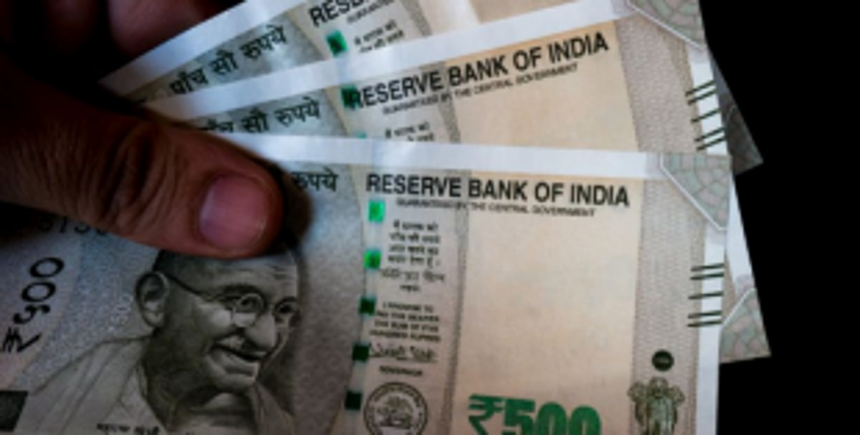
Recently, there was an episode on television. A barber goes to the police station to complain against a goon who ransacked his shop. “When?” the inspector asks. “Yesterday”, he is told. The inspector’s face glows. “Yesterday was Saturday, and you were supposed to keep the shop closed. Pay a fine of Rs 500. Then register your complaint”. The complainant murmurs that he could have repaired the damage for a lesser amount.
Nowadays, constables are busy collecting fines, particularly during the last week of the month. It is believed that they are under pressure from their superiors to achieve the ‘target’ allotted to them.
Now that the pandemic is the buzzword, their task is not that difficult. I pay fine for not wearing my mask properly, not keeping ‘social distance’ at public places, and even while travelling with the members of my family as co-passengers in my car.
In the past, I had to shell out money for not wearing a helmet while riding a scooter. Other offences included not having papers relating to my vehicle, disobeying traffic lights, over-speeding, entering a road where it was prohibited, or parking at the spot with a ‘No Parking” board. That was the case with scooter riders with more than two passengers or for throwing garbage on the road. Law-keepers used to apprehend people spitting on the road or relieving themselves on the roadside instead of using a urinal.
The dread of punishment was there from my primary school days. I used to be asked to stand on the bench for various offences. Or go to the front of the class and stand at a corner facing the whole class. If the offence involved fisticuffs, both the parties involved would be taken to the principal, whose cane would land on us, the number of strikes depending on the seriousness of the crime.
Those were the days when corporal punishment, though banned legally, was rampant at schools. Even the parents encouraged it, believing the teachers were always right. The cane used to be a prominent part of the classroom except on inspection days.
There was an English teacher in our school who used to ask us to learn poems by heart and recite them flawlessly the next day. If one failed, the three-foot-long cane was sure to fall on his outstretched palm a couple of times. If the cane was not available, the offending student himself would be asked to go to the school compound and get a suitable stick from there. Another teacher used to dictate English words, and every wrongly-spelt word was to be written correctly a hundred times or more.
While in college, every student wanted to occupy the front row when the lecturer was a guy with a feeble voice. The punishment for latecomers was sitting on the backbenches, where the teacher’s voice hardly reached.
When I got a job, the punishment for coming late three times a month was to lose one casual leave. The third-time offenders would then outsmart the employer by taking a leave of absence for half a day.
It is no use complaining about punishments if one can’t help breaking the law.