We lived under the blue sky with love and laughter. Some, amidst us, were people who brought happiness wherever they went; and also some individuals who brought happiness whenever they went, this created a great difference between the two types of humans. We all were conditioned by our culture and we acted accordingly.
We on this globe practiced some kind of etiquette when meeting people. Many Western countries greeted people with a handshake; in New Zealand, they pressed their nose and forehead when they got together; in France, Italy, Portugal and Canada, a cheek to cheek kiss was a custom to welcome people.
Suddenly, a dark cloud of Corona virus covered our world, blanketing us in the darkest fear; and we were shut in our houses as the disease started its mortal march from one border to another. Many of us felt that our lockdown was like Noah’s times were people were shut in Noah’s arch because of the flood of 40 days and 40 nights.
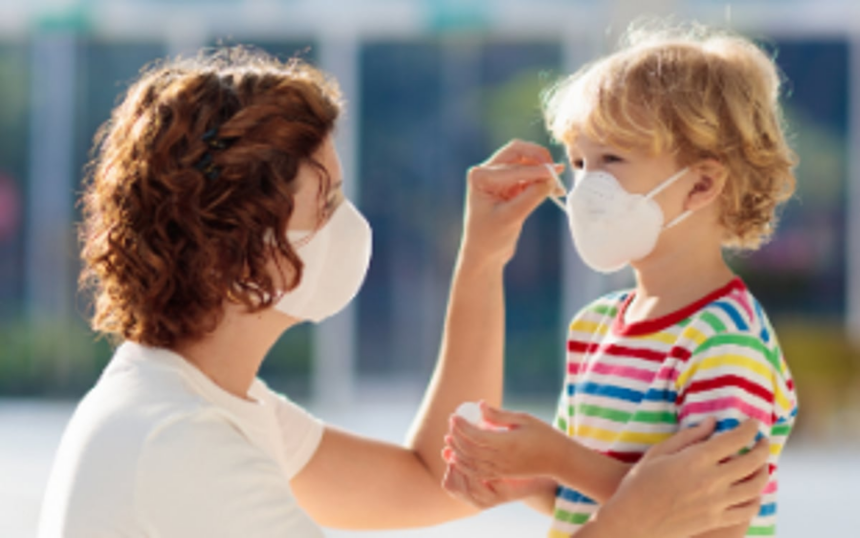
Before the virus struck us, we were always close to each other at shopping malls, watching movies in cinema halls, dinning at restaurants and at other places; we lived like a huge fellow crowd of companions. But now we are advised to wear mask and maintain social distance when we go to buy fruits, vegetable and groceries; this is, they say, is for self preservation against contact with public who could contaminate us in case the other person is unfortunately infected with Corona virus.
As our lockdown was gradually lifted, there was a tentative return to life. We felt, a near normal time when we heard the sound of vehicles on our roads; rattle of shop shutters rolling up in our town and villages; gregarious people visiting friends, receiving guests in their houses. It appeared that Goa was returning to near-normalcy life again; although safety norms continued to be followed even when socialising in each others’ homes for pastime chit-chat; but hospitality allowed removing the mask when partaking of ‘khana-peena’ for the guests.
In some countries, the act of welcoming could be done without touching, For example, both, the Japanese and Indian greetings, neither involve physical contact nor physical closeness to the person with whom we met. But the traditional Indian style of greetings was preferred by many countries, compared to the bowing of Japanese people, who though largely friendly towards foreign visitors. This fancy for our ‘Namaste’ is because it is a beautiful gesture with thumbs near the chest meaning, ‘I welcome you and hold you close to my heart’; and Hindus believe that the word implies, ‘I bow to the divine in you’.
Now don’t get me wrong. Safety norms – face masks should continue to be worn both by hosts and guests and social distancing to be followed if we want to live and see better days. This was necessary as the virus was exposing its deadly fangs, every day, at any time, putting anybody in the shoes of Covid-19 victim. Therefore, in difficult times we should realize that shopping doesn’t matter; only basic needs are enough to survive. We must understand that we don’t need extravagant parties; a simple life is a blessing.