I was happy to see the photograph of our Prime Minister releasing eight cheetahs from Namibia into a forest in Madhya Pradesh recently. It was the reintroduction of the animal after it became extinct in our forests about 70 years ago. Unlike the cheetahs, many things in our life have become extinct without any hope of their reintroduction.
When I visited my hometown in Kerala recently after a gap of a few years, I was rudely woken up in the morning by the incessant blowing of a lorry’s horn and the shouts of women running towards it. I was later told that it was the fishmonger. I was confused as the villagers used to buy fish from the evening fish market on the main road. They laughed at my baffled expression and said the market had become extinct many years ago. There was no necessity to go to the market anymore as shops of all kinds had come up everywhere, catering to the needs of people.
Another twice-weekly market was there a few kilometres away. Many people from the surrounding villages used to go there for buying things in bulk. When I was a school-going boy, I used to accompany my father sometimes to the market. We used to go on foot but would hire a country boat if the purchased goods were too heavy. The area crisscrossed with canals over which there were no proper bridges. We had to cross some of them in ferry boats or walk over ‘bridges’ consisting of two trunks of coconut trees laid side by side. The locals were so used to them that even children would run over them. Some people walked on those ‘bridges’ carrying bicycles. The canals, like the rivers from which they originated, were deep and fast-flowing as no dams had been built on the rivers.
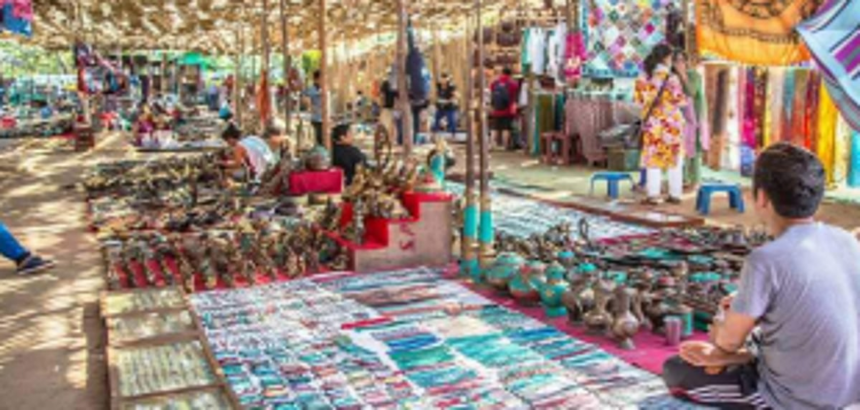
Country boats were the chief means of transportation. Every house would have one or two rowboats. Even women and children were experts in navigating them in the swift-flowing water. Everything of daily use, from ‘salt to camphor’ as Malayalees say, was available in the market. As it was the only full-fledged market for miles around, sellers and buyers thronged it in large numbers. Vendors would come to the market and hawk their wares most of the day. Those traders who came to the market with their wares in their boats would leave the market late in the afternoon to visit the nearby villages. Those who could not go to the market would buy from them.
Fish was sold in a separate area, where one could buy fresh and dried sea fish and fish from rivers, canals and ponds.
A few tea vendors with a live stove under the copper pot would roam the market to sell hot tea. There was also one who sold ‘payasam’, the sweet rice pudding, which was the main reason that I accompanied my father. There was also a hotel nearby that took care of meals.
A health inspector would roam the market and see that the eatables sold were covered. Regular visitors would be familiar with the traders and most of the customers. They would exchange news and pleasantries while sharing hot glasses of tea.