One of the popular dishes we relished during our childhood days was the crab masala. We didn’t go to the fish market to buy the crabs, but the crabs came to us. A crab-monger whose name I cannot recall would arrive once a week with his fresh catch, enclosed in two cane baskets dangling at either end of a long wooden pole. He would announce his arrival by yelling out, “Nantu, Amma, Nantu” in Tamil (Crab, Amma, Crab).
We were among the handful of residents in the locality who fancied crab meat. The family elders swore by its astonishing health benefits, including protection from heart disease, aiding brain development, improving general health, and preventing chronic conditions. These nutritious crustaceans are among the most heavily harvested seafood, prized for their sweet, tender meat.
There are different species of crabs, but the ones we fancied were the mud crabs which have a black or greyish back. Most Indian chefs also prefer this type of shellfish. Though often found in freshwater, crabs are also regularly harvested where the river meets the sea. The time around high or low tide is the best time to crab.
The crab-monger would squat in front of us, pick off the crabs that clung to one another in the insides of the basket, before beginning to dismantle them with extraordinary finesse. Out of fear, my brothers and I kept our distance from the scary creatures but watched in awe as the vendor removed the legs and claws and other icky-looking stuff. Then he would pull off and discard the triangular flap from the belly side.
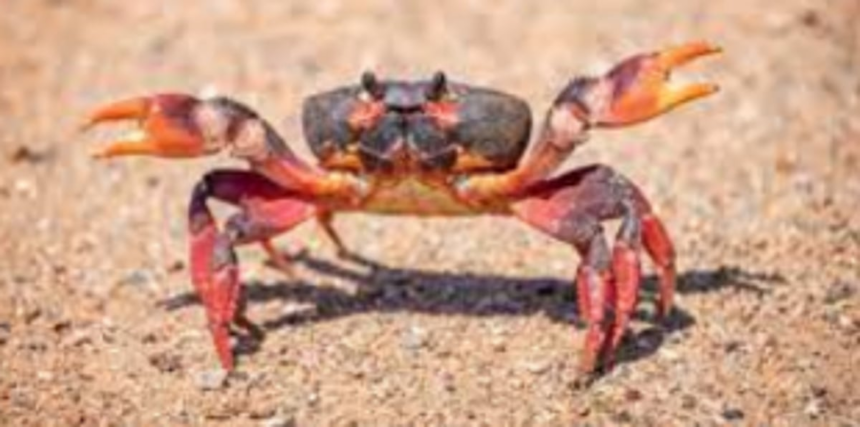
There were telltale marks and scratches on his hands and feet, indicating the hazards of his profession. Sometimes the vendor would resort to tantrums by picking a crab and pretending to hurl it at us, making us scurry like frightened rats. A regular visitor to our house, the crab-monger was also capable of striking good conversation. The invertebrates with their pincers, hard shells and small eyes — which have a 360-degree vision — make them look like creatures from outer space.
My mother had the knack of rustling up tasty treats, and the crab masala or soup was no less. She had learnt the finer points from her mom, a competent cook herself. So as mummy began preparing the dish, the aroma of the spicy crab-masala would waft into the rooms, hit the nostrils and make our mouths water. We would wait impatiently to lay our tongue on the soft, delicious offering. The steaming cup of crab soup garnished with spices also tasted heavenly and warmed the cockles.
Unlike today’s generation, who struggle with forks, knives, pliers and spoons to prise out the meat, we delighted in eating with our hands. We would crack the shells with our teeth, tear them open with our fingers, scoop up the flesh before putting them into our mouths. It was a messy business, but something of an art. The flavour of the masala and meat would linger long after we dined. I have feasted on crab delicacies elsewhere, but regretfully none comes close to the homemade dish. Alas! Thanks to the intricacies of cooking crab meat the traditional way, one seldom finds modern homemakers displaying the patience to prepare this dish.