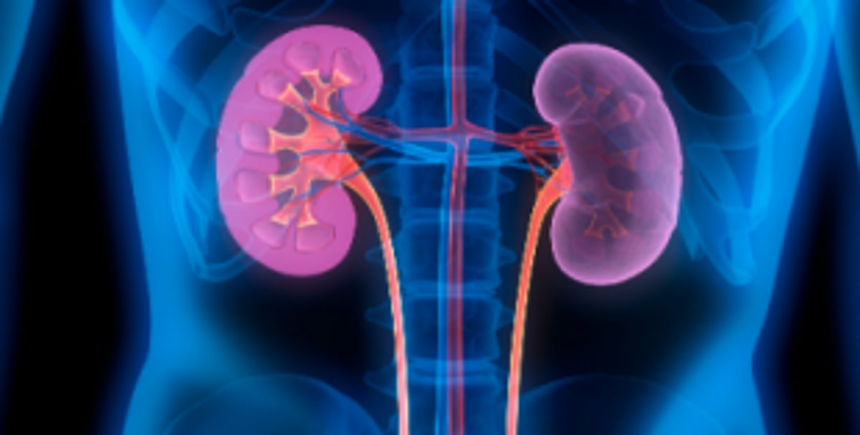
PANJIM: Twenty-five kidney transplants have been performed while 41 patients have been registered for kidney transplant in the State so far.
Goa Medical College (GMC), head of department (HoD) of Urology, Dr Madhumohan Prabhudesai said that since the first kidney transplant performed in GMC in 2011, about 25 kidney transplants have been performed in the GMC. In most of the cases, the ‘living donors’ were mothers and wives while, only four cadaveric transplants (deceased donors) have been done through the State Organ and Tissue Transplant Organisation (SOTTO).
“All the living donors and receivers are doing well unless they have other medical complications,” Dr Prabhudesai said.
The kidneys were removed from a 62-year-old brain dead patient, who was admitted for sub arachnoid hemorrhage at GMC. After a clinical diagnosis of brain death was made, the patient’s daughters stepped forward with a request for organ donation.
Two renal failure patients received ‘Nave Jivit’ (new lease of life) on Tuesday after the Goa Medical College and Hospital (GMCH), Bambolim performed two successful kidney transplants .
It was the second deceased donor transplant at Goa Medical College on Monday. The liver and kidneys were successfully retrieved of the brain-dead donor. As Goa only has kidney transplant facility in the State and the aim of the programme is to maximise the organ utilisation and minimise the organ wastage.
As organ being national resource the other organ were offered to the region and allocation was done by ROTTO SOTTO Maharashtra of the liver IKDRC Hospital, Ahmadabad, Gujarat as per the waiting list. The liver team was led by liver transplant surgeon Dr Vikas.
Addressing a press conference at GMC, Bambolim, Health Minister Vishwajit Rane said, “We as a State are grateful to the family and daughters of deceased donor for donating organs which resulted in saving lives of three people. Under SOTTO Goa we will soon try to start liver transplant facility in the State and in Super speciality block we will dedicate one entire floor for kidney and liver transplant so that retrieved organs could be utilised in the State”.
GMC Dean and Medical Superintendent and nodal officer SOTTO Goa, Prof Dr S M Bandekar said, “there is misconception among the people that in GMC organs are retrieved in the morgue from already dead patient which is totally wrong, once the patient is declared brain dead, the time till retrieval of organs is very critical and the donor has to be given special treatment to maintain the organs.” He added that “We also look forward to more organ donations so that more patients could be benefitted” he said.
“Both the kidneys were transplanted successfully and the patients are being stabilised and are recovering” said the transplant surgeon and GMC head of department (HoD) of Urology, Dr Madhumohan Prabhudessai.
SOTTO Goa’s mission is to set up an effective deceased organ and tissue donation system in the State and to save lives by preventing untimely deaths due to the organ failure, Dr Bandekar said.
GMC HoD of nephrology, Dr J P Tiwari said that kidney transplant is the only best option available for end stage renal failure patients. In GMC post-transplant patients are monitored regularly and the treatment and medications are provided free of cost.
According to GMC, department of neurology associate professor Dr Teresa Ferreira said that brain death is an irreversible cessation of all the neurological functions, which happens secondary to the catastrophic brain injury. The most common scenarios being severe traumatic injury Cerebro Vascular Accidents, or Severe Sub Arachnoid hemorrhage or due to any other reasons.
“We need to understand that brain death is equivalent to death of an individual. Although the heart and lungs and other body organs remain viable for some time after brain death (due to life supports like ventilator and blood pressure raising medication), eventually the patient will succumb to this injury,” Dr Teresa said.
Speaking on brain dead donor maintenance, GMC HoD of anaesthesia, Dr Shirley D’Souza said that maintaining the body homeostasis i.e. blood pressure, cardiac output and oxygenation is important. The heart and lungs functioning has to be maintained in order to preserve the organs. This has to be maintained throughout even during the retrieval of the organs. One brain dead donor can save up to eight lives by donating organs and make 75 other people life better with tissue donation.
As per the recent statistics of the transplant trends in India, as against 1.60 lakh persons awaiting a transplant, only 12,000 organs are available.
SOTTO is the networking organisation of Goa which plays a vital role in coordinating the transplant related activities be it organ donation, organ allocation and organ transplantation. SOTTO Goa co-ordinates with the ROTTO of Mumbai which caters to the region comprising of five States -Goa being one of them along with Maharashtra, Gujarat, Madhya Pradesh.
SOTTO Goa’s mission is to set up an effective deceased organ and tissue donation system in the State and to save lives by preventing untimely deaths due to the organ failure.