KARSTEN MIRANDA
karsten@herald-goa.com
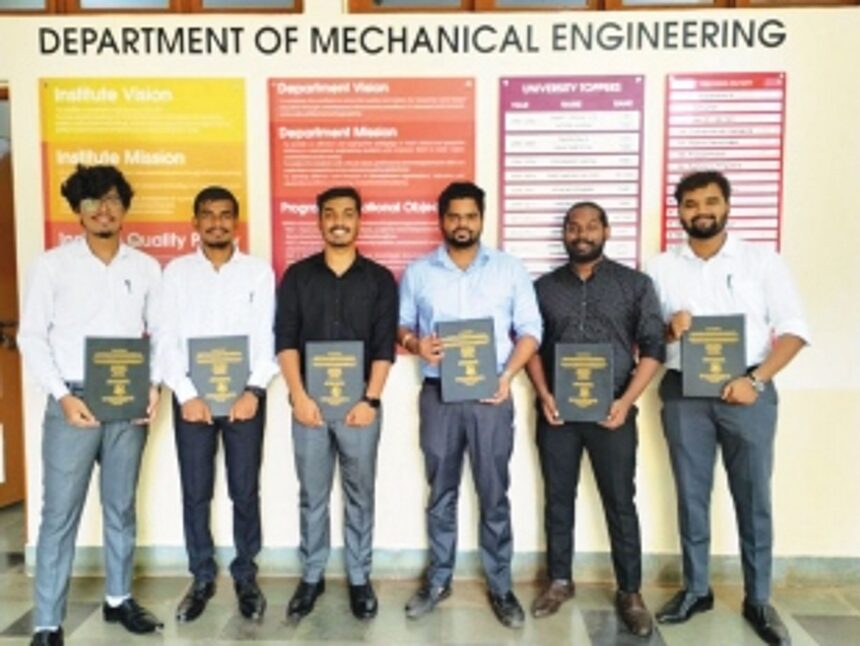
MARGAO: A group of five mechanical engineering graduates from Padre Conceicao College of Engineering (PCCE) have developed a road construction material that uses unrecyclable microplastics collected from Goa’s beaches in the bituminous mix.
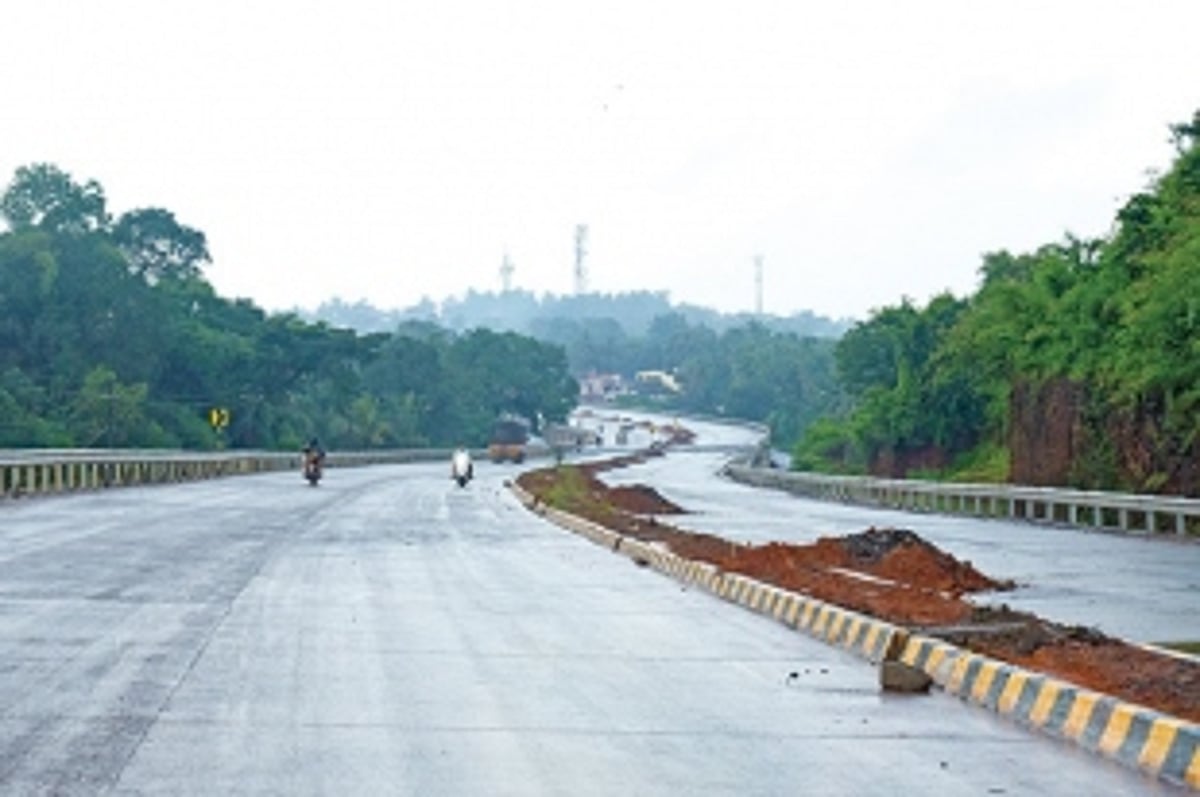
Simply put, they discovered a use for polluting microplastics found in beach sand, by finding a way to recycle the polypropylene from the waste, to create a more durable material that can be used to build roads that suit Goan conditions. This could also solve the issue of recurring potholes on the roads during the monsoon.
The group, which also runs an NGO called Smilekeepers Foundation, stumbled upon this idea a year ago, when they endeavoured to clean the beaches of Goa.
“To aid the beach cleaning process, we built a portable, multi-section device from scratch to deal with the microplastics integrated with sand found across all beaches in Goa,” said Roshan George, one of the students.
However, they were surprised to find that waste processing establishments were hesitant in accepting garbage collected from the beach as they were concerned about the segregation of different types of plastics. The team sought to know why there was so much reluctance to deal with microplastics.
“They informed us that not all plastics get recycled and that some of the plastics just end up at landfills. We also learned that eventually all this plastic just ends up back in the oceans and after that, get integrated into our food chain,” George lamented.
The team realised that recycling wasn’t a permanent solution to plastic pollution. That’s when they decided to instead ‘upcycle’, which they felt was more efficient and economical than recycling.
“The microplastics we encountered on Goa’s beaches were mainly polypropylene. In 2018, the global production volume of polypropylene amounted to 56 million metric tons, of which only 3% is recycled. We wanted to upcycle the waste polypropylene by using it as an additive in the bituminous mix to make roads, to make them more durable,” George explained.
Gaurak Phaldessai, the team’s mentor and assistant professor in PCCE’s mechanical department, further explained how this could be used to improve road conditions in the State.
“Addition of plastics to the bituminous mix improves the binding properties of the bitumen with stone aggregates. This translates to improved properties and durability of bitumen roads,” said Phaldessai.
He added that a lot of background study went into this project, and the students studied the climate and soil conditions of Goa. “The team had to thoroughly go through research papers and journals to understand the properties of the existing roads and testing criteria for aggregate and road samples,” said Phaldessai.
It was not a smooth journey for the team as they encountered several difficulties.
“Maintaining the required temperature of plastics and aggregates, with regards to environmental issues, was something we struggled with,” he added. The team is all set to conduct more tests, following which they will publish a research paper about their project.