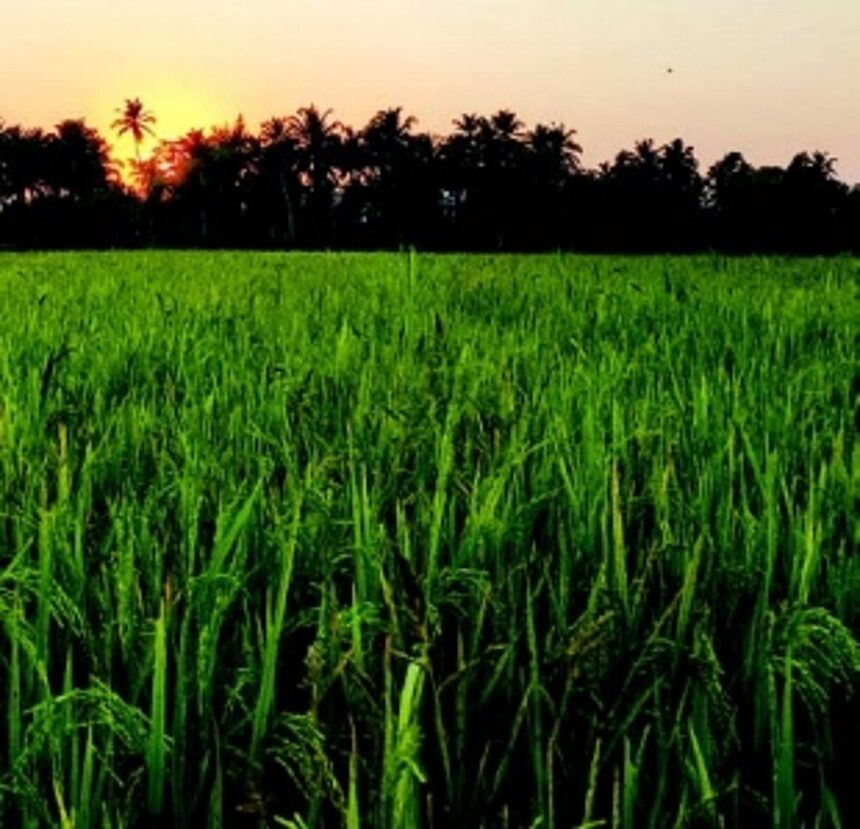
MARGAO: Reacting to the National Green Tribunal (NGT) taking up a suo motu petition on the concerning issue of rice fields being polluted across the country due to flooding, contamination from pesticides, industrial waste, and other man-made activities, the Colva Civic and Consumer Forum (CCCF) in Goa has urged the green court to take similar suo motu action against groundwater pollution in the State.
The NGT case on rice field contamination, though not directly connected to Goa, has brought to light larger issues around environmental compliance and lack of enforcement of relevant pollution laws by authorities. The tribunal has issued notices to the Central government over the presence of arsenic, a naturally occurring toxin found in soil and water that can enter the food chain.
Judith Almeida of CCCF pointed out that old reports have already shown high levels of groundwater pollution in Colva from sewage wastewater and industrial releases into open areas.
Almeida criticised the alleged inefficiencies and lack of follow-up by the Pollution Control Board (PCB), which grants ‘consent to operate’ to industries and businesses. “Do they ever do follow-ups? Never. I have been doing follow-ups and know the inefficiencies of the system. Site inspection reports take months to be issued. The whole system is a failure,” she alleged.
In the national matter, the NGT has initiated its suo motu case based on a media report titled ‘Arsenic in Food: Should you wash rice before cooking it?’ which highlighted the dangers of arsenic contamination in rice from the flooding of agricultural fields. According to the World Health Organisation (WHO), long-term exposure to arsenic can lead to skin diseases within five years and can even be fatal in severe cases.
The green panel has sought detailed responses from the Central Pollution Control Board (CPCB), Union Agriculture Ministry, and Environment Ministry on the larger issue of arsenic pollution in food items like rice. A special quorum led by NGT Chairperson Justice Prakash Shrivastava has noted that the case raises significant worries about the lack of environmental compliance and enforcement by authorities. The NGT has scheduled the next hearing on the matter for September 2, 2024.
In the article picked up by the NGT, experts have recommended washing and soaking rice thoroughly before cooking to mitigate arsenic contamination, which varies across regions. However, it was mentioned in that article that the root causes, like the use of pesticides, fertilisers, industrial effluents, and mining activities releasing arsenic into soil and water bodies, need to be addressed stringently. To find a long-lasting solution, Almeida emphasized that only stringent action against errant bureaucrats can lead to improvement in the present ‘shoddy system,’ as she alleged that currently, the officials’ inefficiencies are endangering the lives of citizens.