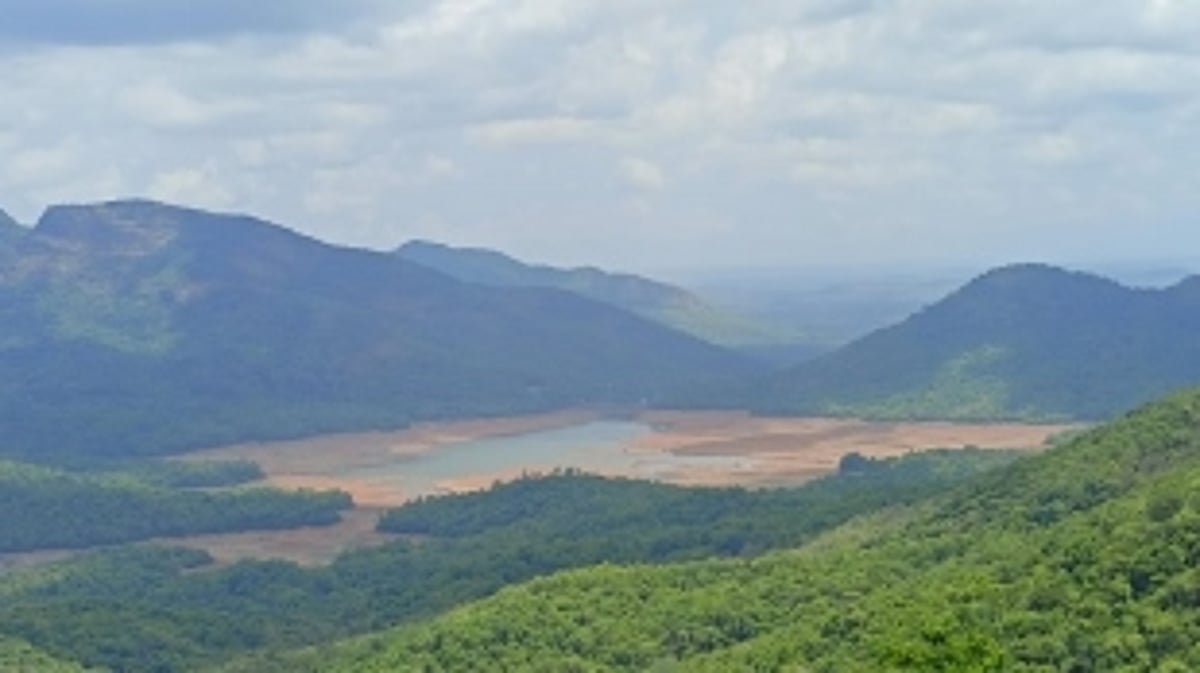
Anjunem Dam, a crucial water source for the region, is facing a significant decline in water levels, reaching a critical point of 68.01 meters. The visibly reduced reservoir has transformed the landscape into a dry and desolate scene, prompting concerns about the sustainability of the water supply as the monsoon season approaches.
The declining water level in Anjunem Dam has raised alarm bells for various sectors heavily reliant on its water resources. Agriculture, irrigation, and drinking water supply are among the sectors that may face severe impacts if the dam does not receive replenishment soon.
Farmers in the region heavily depend on the dam’s water for agricultural activities. The decreasing water level poses a significant threat to crops, potentially leading to reduced yields and financial losses. With the monsoon season around the corner, the situation becomes even more critical, as the absence of adequate water reserves may hinder the cultivation process and exacerbate the impact on the agricultural sector.
In addition to agriculture, irrigation systems connected to Anjunem Dam are at risk due to the dwindling water supply. As the dam’s reservoir shrinks, the availability of water for irrigation purposes decreases, potentially affecting farmers who rely on the dam’s water for their fields. The inability to irrigate adequately can lead to crop failures and a decline in agricultural productivity.
Moreover, the declining water level has implications for the region’s drinking water supply. The dam serves as a vital source of potable water for nearby communities. With the reservoir drying up, there are concerns about meeting the basic needs of the local population. As the monsoon season draws near, the Anjunem Dam anxiously anticipates replenishment to safeguard a reliable and sustainable water supply for the region.