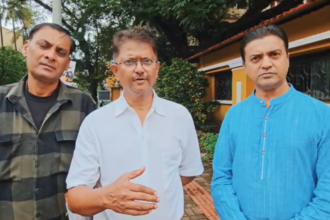
PANJIM: They are the affected, and they are the ones responsible. Herald has taken a stand that blame game has to stop, but give the people of the area a chance to pinpoint why Calangute and its surroundings can’t get rid of its garbage. Vibha Verma meets them.
Residents of Calangute and Candolim villages expressed their disgust at the garbage problem, and admitted that they knew it was serious. But this growing realization is tinged with a degree of helplessness over the major crisis faced by these semi urban and very tourism centric areas.
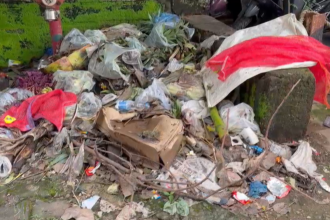
They point out that garbage is being dumped behind every pillar and post; and that nullahs and culverts that ultimately lead to the sea are becoming garbage filled reservoirs. The dangerous part of this is that there is biodegradable garbage being dumped, but wrapped in plastic which ensures that the garbage does not degrade but remains and rots within the plastic itself.
Experts however argue that people too should take responsibility for segregation and try and keep plastics that are recyclable separate from biodegradable waste that can be easily composted.
Many locals say that it is tourism itself that has led to a lot of the garbage as tourists dump garbage anywhere – including plastic and beer bottles. And there is no system to control this.
However, locals say that there are no dustbins and so tourists to dump their garbage anywhere and everywhere; and with no place to treat waste, garbage is dumped in landfills that will ultimately fill up. And so when one fills up, one has to move to another place, and fill up another landfill.