Team Herald
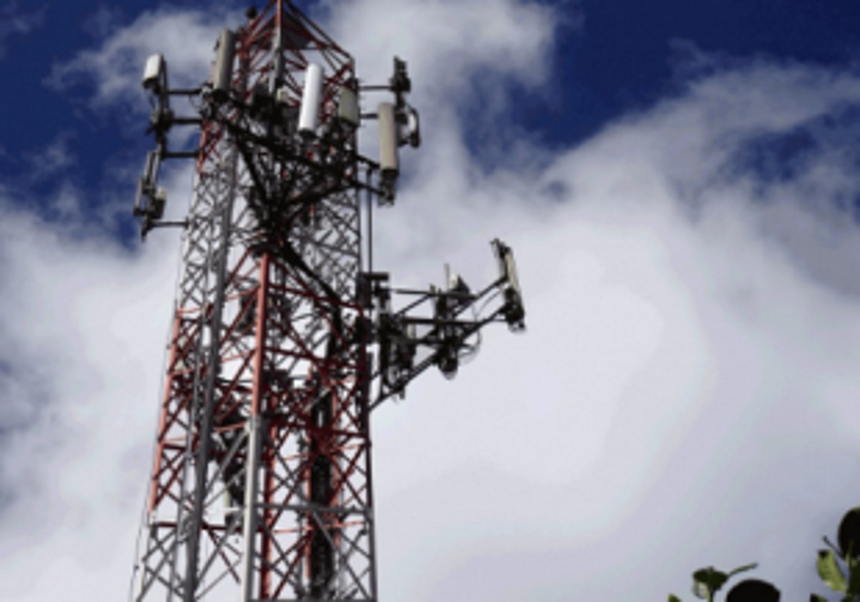
panjim: In a major decision, the State Cabinet on Wednesday cleared the Goa Telecom Infrastructure Policy, 2020; in a bid to increase efficiency in the telecommunication sector, including dealing with mobile installation, network connectivity issues, which have been plaguing online education system during the ongoing pandemic.
Chief Minister Pramod Sawant said that under the policy, a single-window permit system has been adopted, wherein only the PWD will grant permission to companies for setting up mobile towers and no other permissions of local bodies will be needed.
Maintaining that nearly 250 applications for mobile towers are pending, Sawant said that priority will be given for setting up the towers on govt properties and in case of private lands, the NOCs from the concerned owners will be sought.
He added that the policy attempts to facilitate the creation of a robust and resilient telecom infrastructure in the State, in order to secure the economic progress.
“The policy will aim to fulfill people’s expectations of fast and reliable internet connection anywhere and anytime as the demand for internet connectivity, through mobile or broadband connectivity has exploded,” he said.
Sawant added that the Companies cum operators will have to pay Rs 50,000 as a one-time licence fee to local governing bodies and that no additional permit will be necessary from them.
The CM also stated that in urban and semi-urban areas, Rs 50,000 monthly rent will be paid by companies to the local bodies, while in rural areas the rent will be Rs 25,000 per month.
“There has been lot of hue and cry over connectivity issue, especially considering the E-education system during the current pandemic. We have been receiving complaints and also media reports about how, students are facing hardships in online classes in absence of network. The policy will help to resolve this issue to large extent,” Sawant said adding that the operators are ready to run their network on a single tower.
The Chief Minister further added that that the Government is not creating any additional infrastructure but that the existing optical fibers would be connected, wherever required.