MARGAO: Expressing serious concern regarding the implications of the proposed draft agricultural policy, the village panchayat of Chinchinim-Deussa has taken the lead in raising awareness among stakeholders within the village and collecting suggestions for improvements to the policy.
On Wednesday, the Chinchinim-Deussa panchayat organised an awareness meeting centred on the draft agricultural policy. The meeting featured the participation of Goyche Fuddle Pillge Khatir (GFPK), a non-governmental organisation dedicated to addressing agricultural issues. The event aimed to elaborate on the details of the draft policy, and to engage local farmers’ clubs in a discussion about its potential effects on livelihoods.
Valentino Barretto, the Sarpanch of Chinchinim-Deussa Village Panchayat, informed O Heraldo that the panchayat intends to gather inputs from all stakeholders and hold a subsequent meeting. “We have a meeting planned to collate inputs from the concerned stakeholders in Chinchinim. Once we have the inputs, we will submit our suggestions to the relevant department,” he stated.
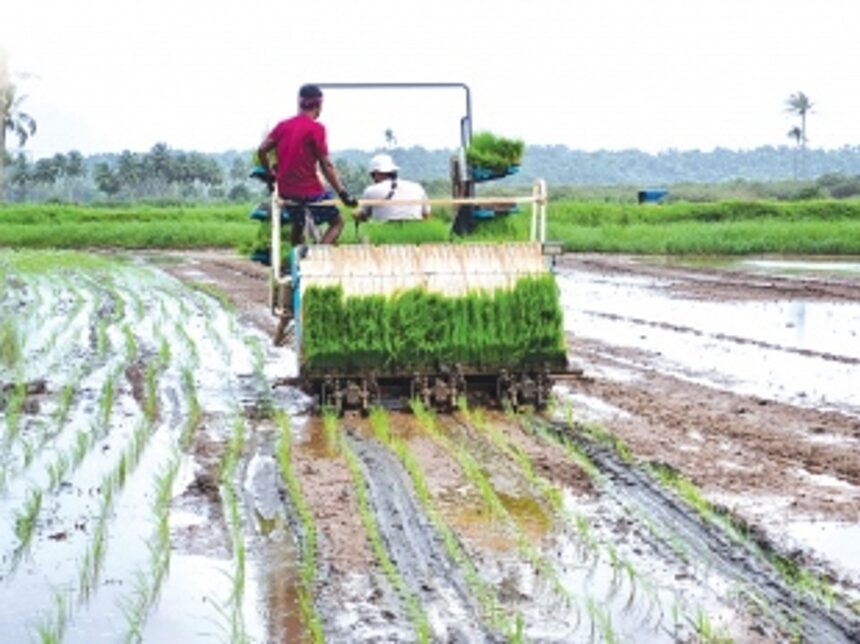
During the meeting, several speakers shed light on the draft agricultural policy and its implications. Present were Assistant Agriculture Director Amancio Fernandes, Former Curtorim Zilla Panchayat Member J Santano Rodrigues, and GFPK President Jack Mascarenhas. They emphasised the significance of embracing technology to enhance agricultural productivity and sustainability in Goa.
Jack Mascarenhas highlighted examples from Saudi Arabia, demonstrating how technology and innovation enabled wheat and other crops to be exported despite scarce water and arable land. The speakers stressed that by protecting its land today, Goa can leverage technology to produce ample agricultural products, supporting the millions of tourists who visit the State annually.
Mascarenhas underscored the potential for Goa to become self-reliant in terms of food security, reducing dependency on imports from other States. He emphasised the importance of community farming as a means of achieving sustainable agriculture, promoting social harmony among farmers and improving efficiency.
The meeting drew a substantial turnout of villagers who displayed keen interest in understanding the Agriculture Policy’s implications for their livelihoods. They actively participated by asking questions and seeking clarifications on various aspects of the policy.