Shane Taylor and his wife Jonah, UK citizens travelling to Goa for over a decade have decided not to repeat their visit to the coastal State. The reason they cite is that Goa is getting costlier with each passing year.
“We are regular visitors to Goa and since our maiden visit till date, a lot has changed. Potholed roads and no improvement of the infrastructure have disappointed us. Goa is also getting expensive day by day. Therefore, we have decided that next year we will go cruising in the USA,” Shane said.
This is the view of just one foreign couple, regular tourists to Goa. There are many more like them who could have decided to skip Goa and opt for other destinations.
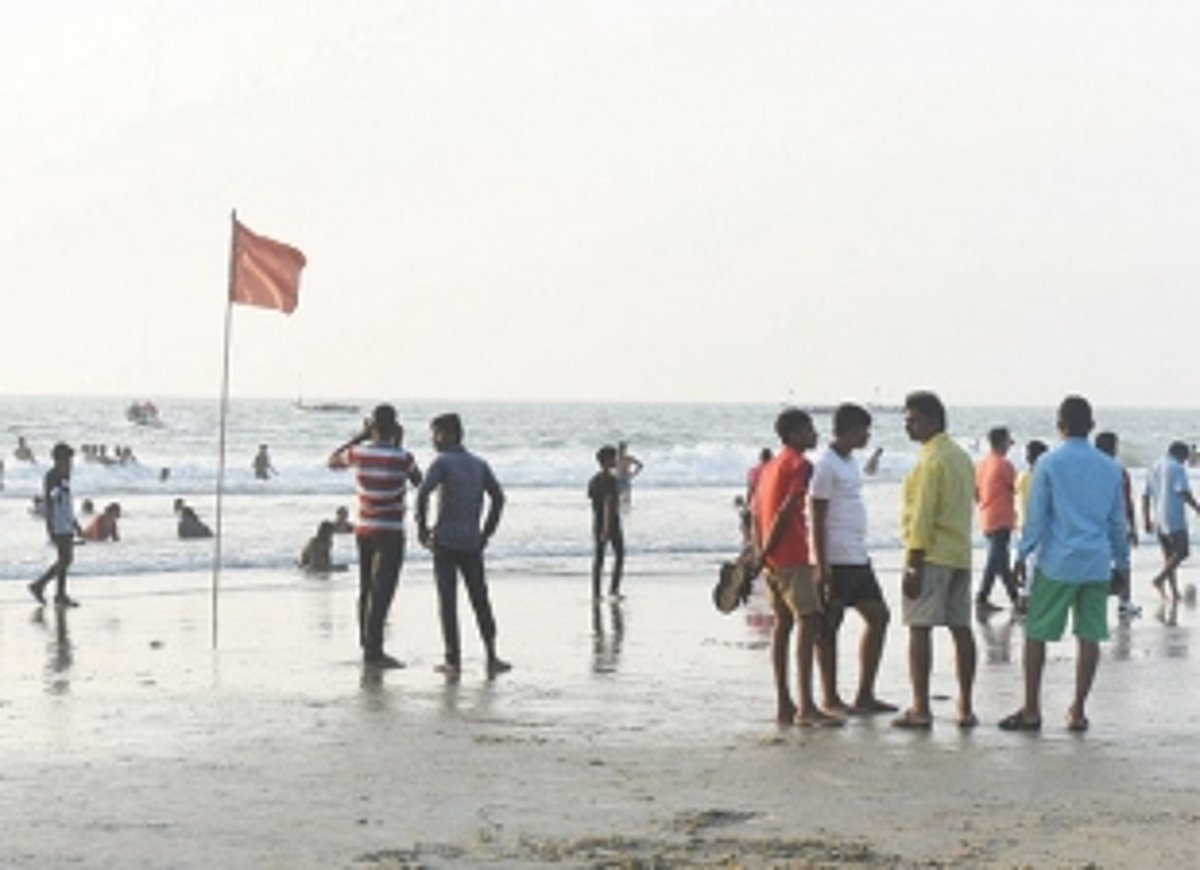
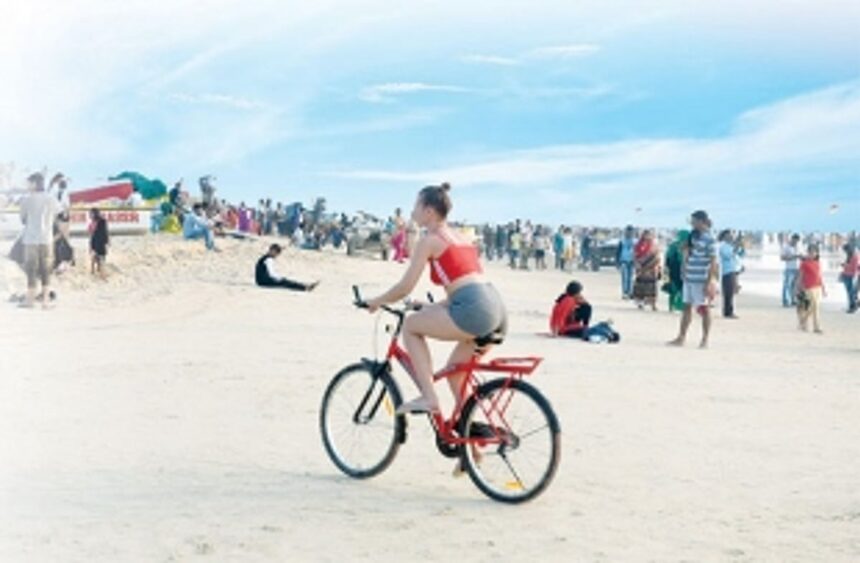
On Christmas Eve and Christmas Day the beaches of Goa were crowded, but not as they used to once be. There were Santa Claus cut-outs at every shack, stars and gaily-decorated Christmas trees, but no cheering smile on the face of the tourism business operator.
“The season is satisfactory but not very exciting. To a certain extent, travel advisories issued by USA, UK and Israel have affected foreign arrivals. However, there are foreigners who come on North India tour and Goa is added to the visiting places’ list. So, it will not be a major effect for Goa,” TTAG president Savio Messias informed Herald.
Tourism Minister Manohar Ajgaonkar has conceded there is a decline in foreign tourists and attributed the scenario to the economic slowdown. “But we are getting domestic tourists,” he added.
Goa Tourism continues to take a beating from other countries like Sri Lanka, Thailand and Indonesia offering reasonable holidays and also States within India, where holidays are affordable. The ongoing peak season, that was expected to give some respite to the declining tourism industry, has failed to salvage businesses of the stakeholders.
Not only is Goa gradually turning into highly expensive destination with no proper tourism-related facilities yet in place to attract increasing footfalls, travel advisories issued by USA, UK and Israel, in the wake of rape incidents in the country, coupled with violent protests opposing the Citizenship (Amendment) Act has also distanced visitors from visiting Goa.
“Many issues have led to the downfall of tourist season this year. Anti-CAA protests, travel advisories issued by countries for women travellers and competition from different countries and States are proving a bane for Goa’s tourism industry,” lamented Cruz Cardozo, a major stakeholder.
Cardozo, who is also president of the All Goa Shack Owners’ Association, raised fears that the season might end by January 2020. “At least 80 per cent shack operators have complained of a poor season. The shacks might close their business by January 2020 if the season does not improve,” he said, adding that beach hawkers approaching tourists is adding to the nuisance value. “We cannot blame the government, the police should act against the illegal hawkers,” he added.
Goa has often seen a line of entertainment shows and events during the peak season, particularly as the year comes to an end, but it is failing to attract visitors owing to these prevailing issues. Travel and Tourism Association of Goa (TTAG), which has been striving to ensure good season, has also opined that travel advisories are somewhat dampening the spirit of tourism.
Apartments, allegedly illegally rented out to foreigners, have also been proving to be a loss to the tourism sector, Messias said, as these do not add revenue to the government exchequer. Many private premises are allegedly being rented out to the tourists on lump sum basis, even as only some follow rules like filling of tenant verification forms.
On the occupancy of hotels, the TTAG explained that with the commercial accommodations’ expansion over the years, not all witness 100 per cent occupancy. “The hotels are doing well, just that these are not so busy, unlike some years ago, because they have increased their rooms, etc,” he said.
Domestic arrivals are propping up the industry and the season but the quality of tourism has always been a debatable issue in the State.