In the first chapter of the Gazetteer of the Union Territory of Goa Daman and Diu published in 1979, Dr V. T Gune, editor and the then Director of Archives, Archaeology, explained about the etymology of Goa, connecting it with the Sanskrit term ‘go’ as in cow, he traced it to the Mahabharat (the 9th canto of the Bhishmaparva of the Mahabharat Purana) and claimed it to be the abbreviation of the term ‘gomant’, and further stating that ‘Go+manta+ka’ = go meaning cattle, ‘gomanta’ meaning herd of cattle and the owners.
Fast forward from the above to the present day – in Bardez Taluka, Siolim, a village well-known for its great artistes, a sleepy hamlet, rich in flora and fauna, which is rapidly transforming into a bustling town. This lovely village is in close proximity to the famous beaches of North Goa and is popular with domestic, foreign tourists and Bollywood.
The once cultivated fields in this valley are no longer tilled, and are flooded with water accumulated from the rain and the Tillari Canal. Agriculture in the village is become a thing of the past. It is alleged that these animals are owned by the villagers but due to the non-
cultivation of fields for several years these animals are left to wander as there is not enough feed available. The animals have stopped being looked after.
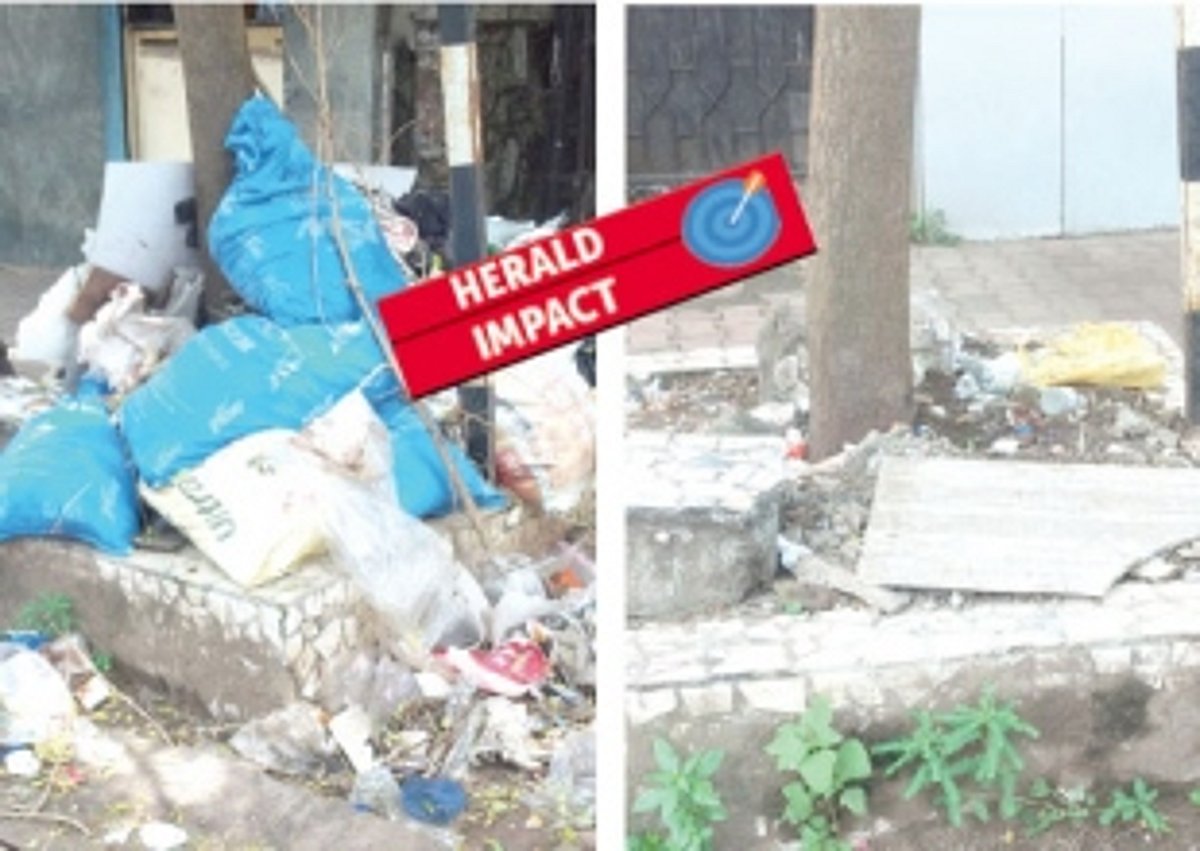
Earlier, the cattle were ‘pure vegetarian’, grazing in the fields, but with the scarcity of green grass, surge in buildings around and problems of increased garbage, these animals consume whatever they can; I am told that the cattle are used to eating plastic bags and containers of non-vegetarian food like leftover chicken scraps, stale fried fish from restaurants, households, etc. Due to consumption of such non-vegetarian food, their system has changed. The cow dung releases a lot of offensive smell creating a lot of unpleasantness. Sources say that garbage is also one of the reasons these animals roam in the village.
In Sodiem-Siolim, cattle has also become a problem for local farmers who have cashew plantations.
During the cashew season farmers suffer losses due to stray cattle wandering into plantations and eating up the cashew apples. At times these animals wander into people’s compounds and eat plants and destroy the place. There are cases where the animals have become violent, causing damage to property and parked vehicles.
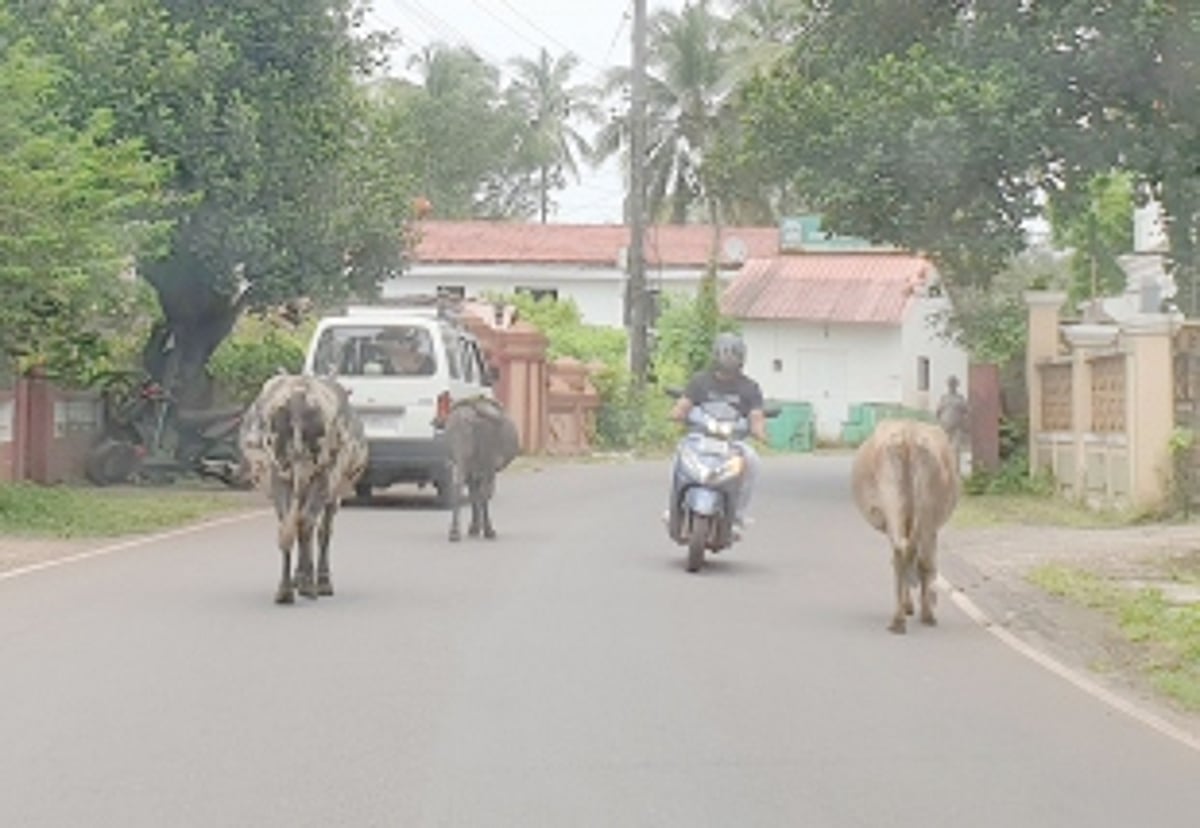
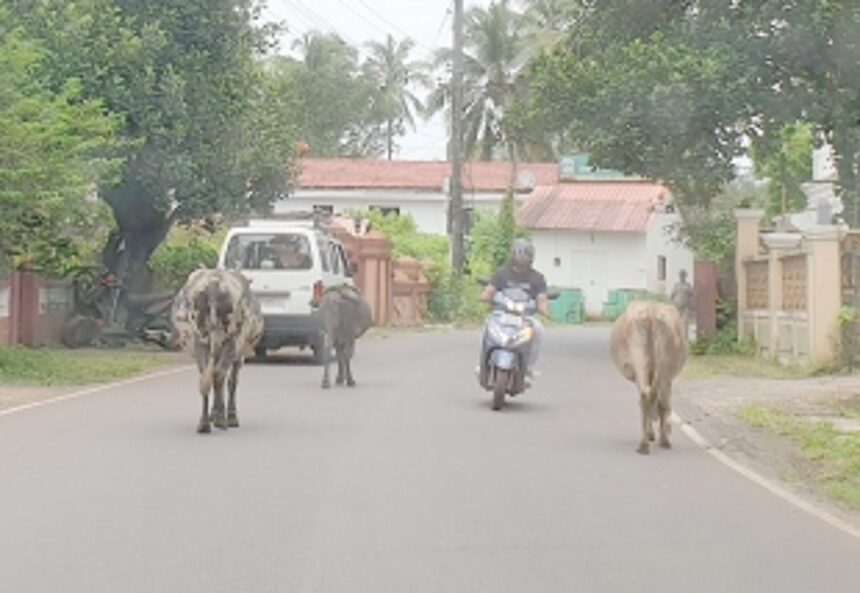
There is non-stop traffic on the roads whether Sodiem-Siolim or Marna; with the constant increase of stray cattle in Siolim, these animals are causing problems to daily travellers and tourists. There is a junction in the village which is now popularly called ‘cow junction’. The cattle roam around the village causing traffic congestions. They move during the day; at night, they sit in the middle of the road causing road blocks and refuse to move. I have personally
witnessed this in Pilimbi Vaddo in the Sodiem side at five in the morning while returning from the airport. Along with these 30-odd cattle, there are dogs that keep barking which also add to the mess.
This issue can be completely resolved, but nobody is interested in solving the matter. The sarpanches of all the panchayats in Siolim have been grilled on the subject in the respective gram sabhas and all they do is assure that they will ‘look into the issue’.
Some locals suggest that the government should register all cattle by tagging them. Some panchayats in Goa have their own cattle pounds. However, in Siolim, there is no cattle pound to manage the cattle. All the sarpanchas can assure the public that they are planning to create awareness amongst the cattle owners not to let their cattle to wander.
It is need of the hour that present MLA Delilah Lobo does something that no other MLA of this constituency has done by putting an end to this menace.