For centuries, Siolim a quaint village in the Bardez Taluka of North Goa has been known for its lush green paddy fields, coconut groves, and Cashew Feni.
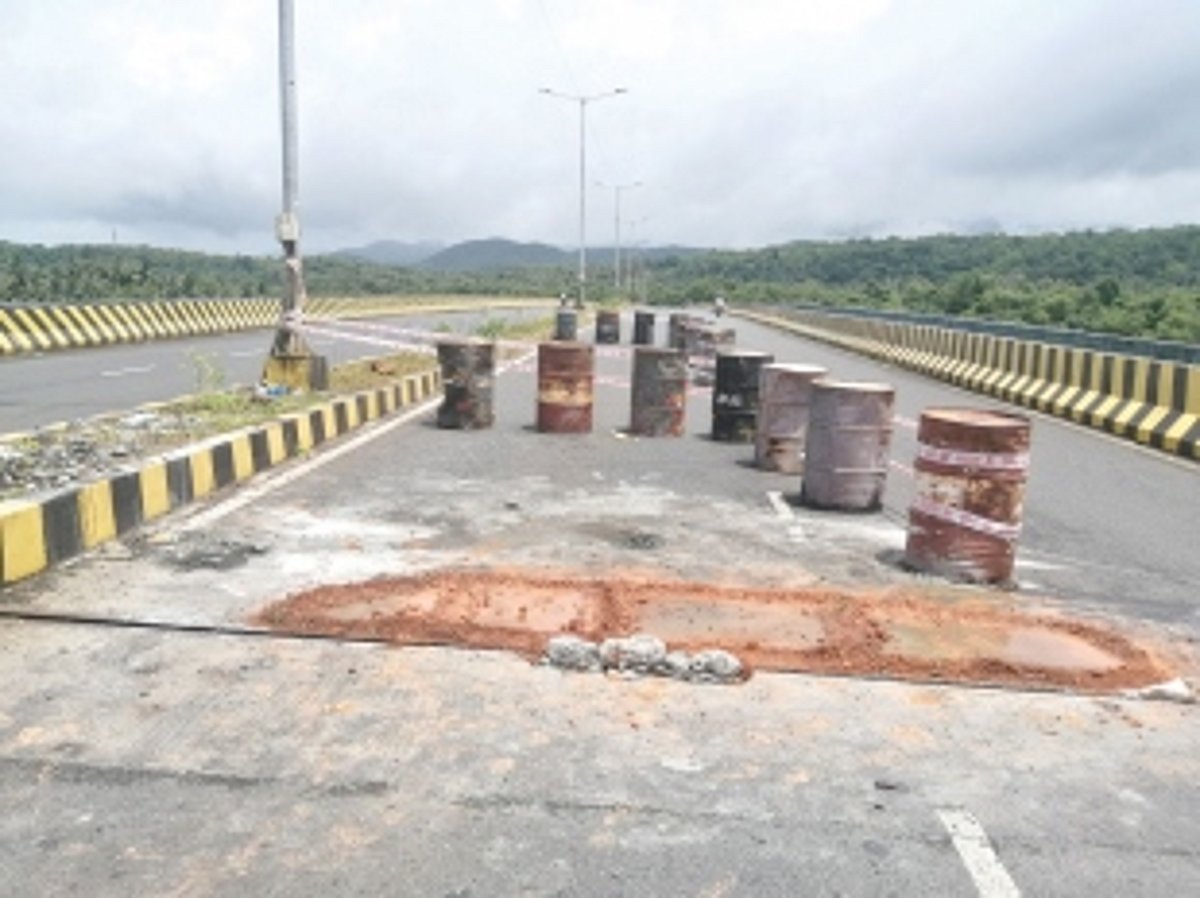
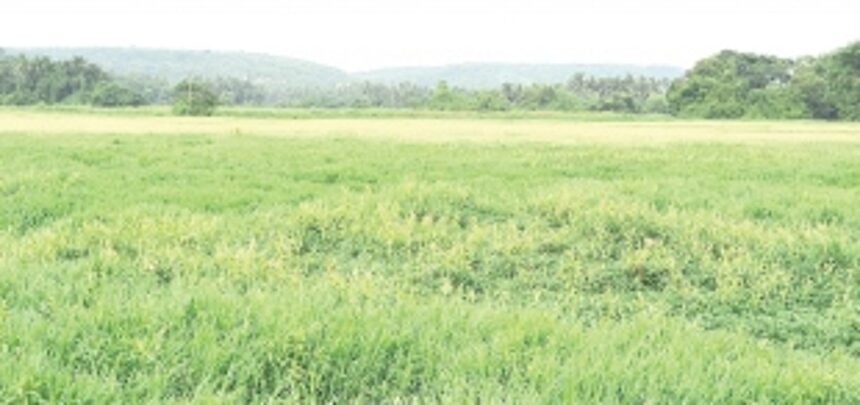
Visiting Goa after a long time, this writer visited a link road that connects Marna-Siolim to Gaunsavaddo, Siolim on the Sodiem-Siolim side. The observation made was a sad one. Over the last few years, farmers from Siolim have not been able to till their fields due to the accumulated water in the fields, which remains throughout the year. These fields cover almost thousand acres and were being cultivated by the farmers from Siolim, using age-old organic farming techniques.
On talking to a few locals from Gaunsavaddo, the writer was given to understand that due the accumulated water, no machinery such as tractors etc. are able to enter into the fields. The link road/bridge built in the late 80’s/early 90’s using pipes allowed the water to pass freely. This bridge was also very famous amongst birdwatchers who would visit the area in the wee hours of the morning to see and photograph migratory birds.
The birds, would make the fields their home preying on the fish in the fields. The droppings of the birds would serve as organic manure.
Over the last few years, the birds have stopped visiting the area as it water-logged and infested with water hyacinths, the pipes are clogged which do not allow the water to move freely and thus turning the once fertile fields into a swamp.
The farmers, have been approaching the concern authorities as well as the previous local MLAs and ministers for help, however, their petitions have fallen on deaf ears.
In the years gone by, the farmers would build bundhs, to control the water flow from Cunchelim-Mapusa to Marna, now many farmers from Cunchelim, have stopped farming and have taken up jobs, the building of bundhs have stopped and thus allowing the water to get accumulated in the area.
Local farmers claim that if the bundh is constructed at Cunchelim then it will help some farmers to cultivate their fields.
There is an urgent need for the Agriculture Department/Irrigation Department to survey the fields and rectify the problem.