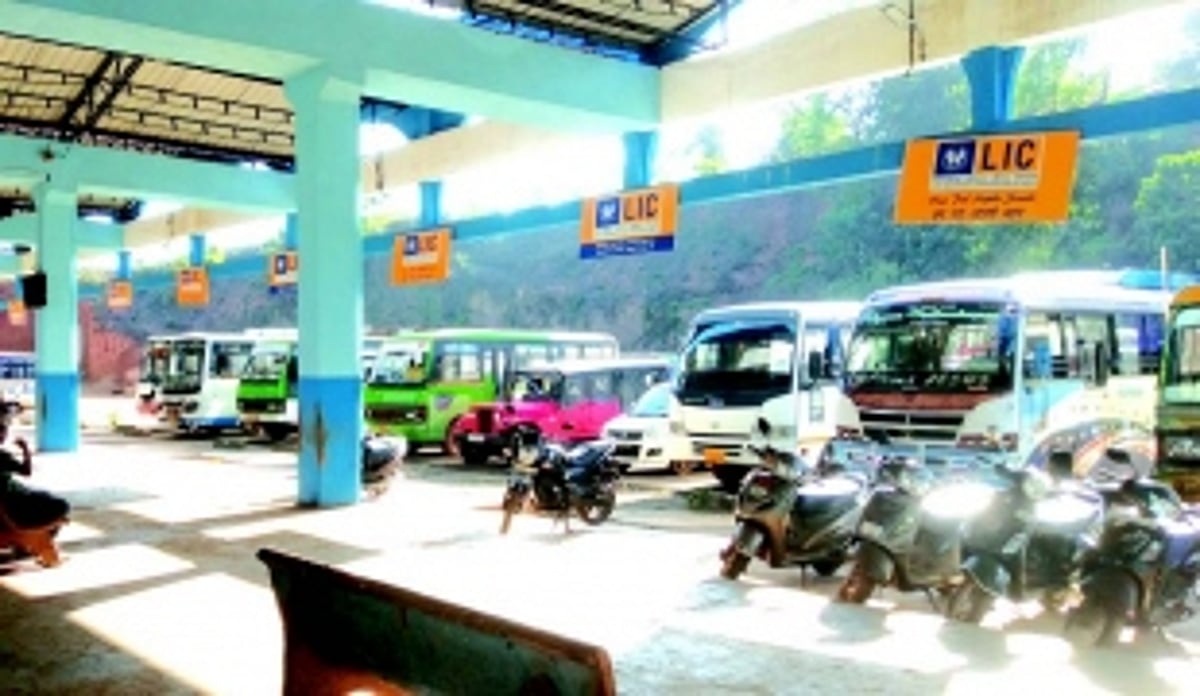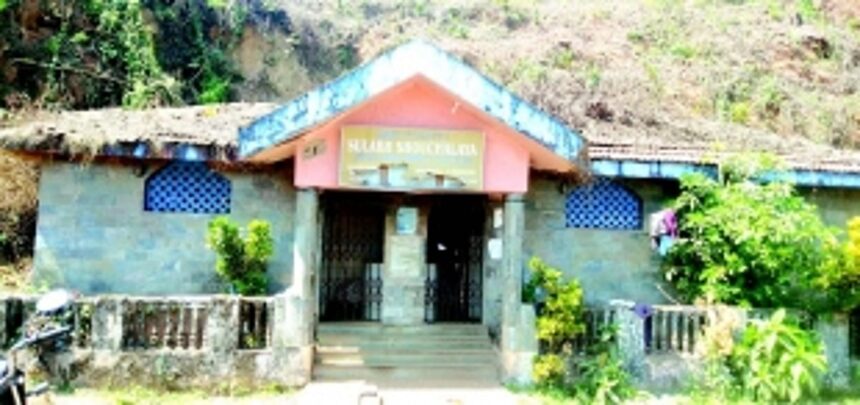
PONDA: The Sulabh toilet facility at the interstate KTC bus stand in Ponda has remained closed for the past week, leaving commuters without an alternative arrangement or access to bio toilets.
With no restroom facilities available, commuters have resorted to urinating and defecating in the nearby bushes, posing a significant challenge for women travelers. The closure has prompted local residents to question the government’s commitment to Swachh Bharat and the safety of commuters at the KTC Bus Stand.
According to vendors and regular commuters, the Sulabh Toilet complex was locked by its operator eight days ago, and his whereabouts remain unknown. The absence of any alternative facilities at the KTC Bus Stand has exacerbated the situation, leading to demands from locals and social workers for an urgent resolution.
Social Worker Viraj Sapre highlighted the difficulties faced by women commuters due to the closure of the Sulabh Toilet. He expressed concerns about the safety risks posed to women, especially when forced to use the bushes during the day or night. Sapre emphasized the need for accountability in case of any untoward incidents involving women commuters.
Additionally, certain areas surrounding the KTC bus stand lack proper lighting, despite its status as an interstate facility. Furthermore, there is a notable absence of drinking water facilities for commuters.
Sapre recalled previous improvements made to the bus stand following media attention to its dilapidated condition and poor roads. However, he stressed the importance of addressing the current issues promptly, suggesting the installation of bio toilets as a temporary measure to alleviate the inconvenience faced by women travelers.
Although construction on a new toilet complex is underway at the KTC bus stand, completion is expected to take some time.
This situation echoes a similar incident a few months ago at the old bus stand at Ponda, where authorities closed down a dilapidated toilet complex without providing alternative facilities. Following media and social workers’ intervention, two temporary bio toilets were eventually set up at the old bus stand.