PRATIK PARAB
pratik@herald-goa.com
The Margao town is famous for its Commerce and trade but sadly has nothing to offer as far as tourism, sightseeing and cultural entertainments are concerned. The Margao town goes completely slow after 8 or 8.30 pm and the only place where the youth or a tourist has to spend time is on the coastal belt. Now, the conceiving of Mopa Airport threatens to leave not just Margao but entire Salcete and South Goa dry as far as revenues and attention is concerned.
Top Government sources have informed that after Mopa is commissioned all the tourism and activities including cultural, night life, eating out, leisure sports like golf and polo, parks and others will shift complete to North. There is a constant threat of the Southern part of Goa being left high and dry due to this shift. A look at the advantages of North can show how North Goa has an advantage over South. As far as lands are concerned the North Goa, especially Mopa and surrounding areas, have hectares of unused land up for grabs which will soon convert to theme parks, adventure parks and other places. In addition to land North Goa already has a branded image all over the world for its nightlife and party destination image.
An event organiser told Herald “There are very little takers for conferences and big events in South as there are no party and Tourism avenues in the South that can be sold in package. All the major conferences happen mostly in Panjim and ahead in the North Goa.”
Having spoken on the party destination image there is very little in South Goa as far as eateries and dining is concerned. The Margao and Fatorda areas being the prime areas of South Goa have very minimal elite or classy pubs, clubs or bistros wherein the young tourist can lounge and treat themselves. Also that leaves nothing for the younger generation of South which forces all of them to the North Goa
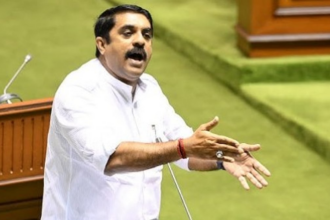
Recently the TCP Minister Vijai Sardesai has spoken of his plans to make the areas of Margao, Fatorda and also Chandor into a Heritage tourism hub. There has also been a discussion over the conversion of the Hospicio Heritage building into a Art and Culture Gallery exclusive to South of Goa. However, these plans are yet in pipeline and may have taken some time to materialise. The TCP Minister has, however, begun work on making the Old Market Circle to Ravindra Bhavan Circle road into Cultural Avenue and to make it a mirror of the Goan Cultural identity.
TCP Minister said “There are plans that are in the pipeline to make Fatorda a touristic and cultural avenue of South Goa. We are long overdue for this and I plan to change the face of Fatorda during my tenure” said Minister Vijai.
He also said that the Lake Project near Fatorda, the Cultural Avenue of Ravindra Bhavan Road, the Heritage Walk from Old Market and several other places are on the anvil and will take shape soon.
Meanwhile people from Margao and Fatorda have demanded that the infrastructure of Transport, Roads, illumination and other factors need to be put in place first before any plans of development are executed.
Devraj Phaldessai from Fatorda Madel said “The only major bus terminus of South Goa i.e. KTC bus stand lays in shambles. Without a proper Bus stand with parallel Taxi and Pilot stand working till late hours can support the entire South Goa tourism and night life” said Devraj. Swearing to the increase in footfall of people in South Devraj also said that it is high time there are proper wide roads with signals to regulate and be prepared for future.
However there have been opposing views too. Pushkar Prabhudesai said “There is not much need of night life in Margao and Fatorda but can be made into a cultural hub with activities all day. The night life and eating out can be kept on the coast which is not too far from Margao town” he said.
With 8 out of 10 major destinations for Party and Tourism active in North Goa the town of Margao and Fatorda and entire South now fears of being completely sidelined and left out if the further developments continue as anticipated. It is now high time for the representatives to pull up their socks and plan well for their areas to survive the tourism boom.