MARGAO: Are Comunidade bodies public authorities and therefore need to furnish information under the Right to Information Act? Or, are they private institutions that do not come under the purview of RTI?
These questions have come back to haunt comundiades and the administrators as the row has brought the comunidade administrators and the managing committees of comunidades face to face. Caught in the controversy are the Escrivaoes — (clerks) of the comunidades — especially those from South Goa as the administrator has issued a memorandum mandating them to furnish information under the RTI. The decision, in turn, has triggered protests from managing committees and has raised eyebrows amongst members of the Comunidade Commission.
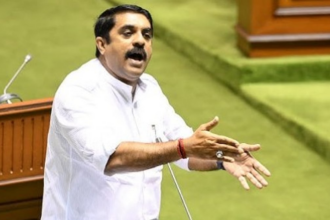
Adding a new dimension to the ongoing debate is the stand adopted by Advisor to the Comunidade Commission and eminent lawyer, Adv M S Usgaonkar stating that Comunidades are not public authorities and hence are not liable to dish out information under the RTI.
To cap the bitter row, the Comunidade Commission has now decided to seek the intervention of the Commission convenor and Deputy Chief Minister, Francis D’Souza. “My stand on the issue is clear that comunidades do not come under the Right to Information Act. There is a High Court ruling on the matter. The Commission will make its recommendation after discussing the matter threadbare with the Convenor and deputy Chief Minister,” Adv Usgaonkar told Herald after a meeting of Escrivaoes with the Commission and the comunidade administration of all the three zones at B M Hall, Borda-Margao on Saturday.
In the meantime, the South Goa Comunidade Forum headed by John Philip Pereira has told the Comunidade Commission that the question whether comunidades are public authorities ought to be ideally left to the competent appellate authorities constituted under the RTI Act to decide and not to the whims and fancies of the administrators.
In the petition, the Forum drew attention of the Commission to a memorandum issued by the South Goa Comunidade Administrator Vishant Gaunekar to the Escrivao of Raia Comunidade directing him to furnish information under the RTI Act to a party within seven days. Matters came to a head when the managing committee of Raia Comunidade addressed a letter to Gaunekar, stating, inter alia, that comunidades are not public authorities under the RTI Act.
On November 4, the comunidade administrator got back to the Raia Comunidade stating that a memorandum issued by the administrator to the escrivao was “an official correspondence from a senior officer to his subordinate and was not marked even for information to the managing committee”, adding “the Committee was not expected to interfere in the matter and enter into correspondence on the issue”.
In fact, while ignoring the Raia Comunidade’s correspondence over his memorandum to the Escrivao, administrator Gaunekar was categorical in saying that since the comunidades are public authorities and since the Escrivao is a public servant under the control of his office, there’s no need for appointing a separate PIO for comunidades under the Right to Information Act.
Expert opinion
Comunidades do not come under the Right to Information Act. There is a High Court ruling on the matter. The Commission will make its recommendation after discussing the matter threadbare with the Convenor and deputy chief minister
— Adv M S Usgaonkar