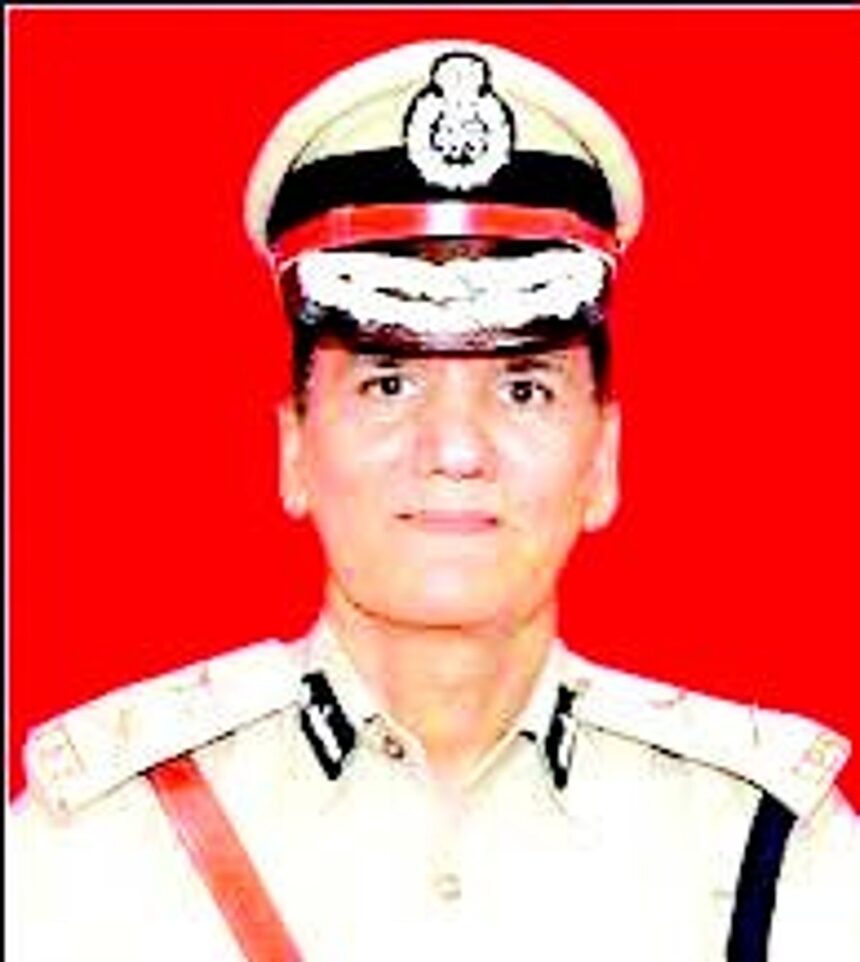
PANJIM: While implementing the three new criminal laws, digital evidences will be recorded and presented before the court through digital locker with geospatial location and time stamp, this will absolve police of allegations of tampering with evidence and witnesses, said Inspector General of Police (IGP) Omvir Singh Bishnoi on Wednesday.
Speaking at a media workshop (vartalap) organised by Press Information Bureau (PIB), Panjim, in association with the Ministry of Home Affairs (MHA) and Goa Union Journalists (GUJ) on the three new legislations of Bharatiya Nyaya Sanhita (BNS),Bishnoi that it was always alleged that police tamper with witnesses. With digital evidence system in place, digital records will be frozen in the digital locker with time and place stamp and made available to courts in a timely manner. will make the evidences tamper-proof and clear police of allegations and improve conviction rates across the country, he said.
Bishnoi described the new legislations as an entirely new direction for the criminal justice system of the country. More than three adjournments of a case will not permitted and it will expedite the process of justice, the IGP said.
The three new criminal laws – Bharatiya Nyaya Sanhita (BNS), Bharatiya Nagarik Suraksha Sanhita (BNSS) and Bharatiya Saksha Adhiniyam (BSA) – which seek to repeal the Indian Penal Code (IPC), the Criminal Procedure Code (CrPC) and the Indian Evidence act, will come into force from July 1 this year.
The event was organised to sensitise media professionals in Goa about the spirit and intent behind the BNS, BNSS and BSA. Sessions explaining the rationale for the introduction of these laws and highlighting some important departures from the Indian Penal Code, the Criminal Procedure Code and Indian Evidence Act were conducted by Superintendent of Police for North Akshat Kaushal and Canacona Sub-Divisional Police Officer (SDPO) Tikam Singh Verma.
Under the British colonial rule, the objective was to punish and control the population, but with these new laws the system can move more efficiently towards ensuring justice, Bishnoi stated.
Director of Forensic Sciences Laboratory, Dr NP Waghmare noted how the new laws mandate the presence of a forensic expert at the scene of crime where punishments are for seven years or longer. He explained how the BNSS mandates a standardised procedure for recording, collecting, transporting and storing forensic evidence.
Dr Waghmare observed that the role of the forensics department is more defined and structured in the BNSS as opposed to the Criminal Procedure Code. He also informed that the forensic sciences laboratory at Verna is equipped and ready for the implementation of the new laws.
Goa Union of Journalists (GUJ) president Rajtilak Naik appealed to the journalists gathered to use this opportunity to clarify all their doubts about the functioning of the criminal justice system.
Earlier, PIB Deputy Director Gautam S Kumar in his welcome address highlighted the vital role played by journalists in assisting the public at large to understand and interpret events happening around them. Riyas Babu, Field Publicity Officer at Central Bureau of Communication, Panjim anchored the event.