PANJIM: Following the study shared by Delhi-based Toxics Link about the presence of microplastics (MPs) in Goa tap water supplied to Goan houses, the Public Works Department (PWD) that looks after the operation and maintenance of drinking water supply issued a statement on Thursday stating that the quality of water is safe.
“We inform the general public that the drinking water supplied by them in the State of Goa is safe and fit for human consumption and there should not be any fear and anxiety in the minds of the people in this regard,” said PWD.
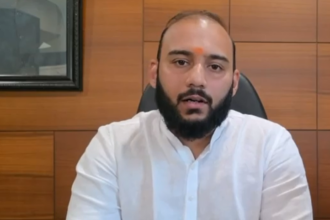
PWD officials had a meeting with the lead researcher on the study, Dr Mahua Saha of the National Institute of Oceanography (NIO), who also issued a statement thereafter.
“Hereby, on behalf of NIO, I would like to clarify the finding of microplastics in Tap water was a academic study, which only shows the presence of microplastics in tap water, however this results never state the tap water is unsafe and unfit for drinking,” said Dr Mahua.
Dr Mahua also pointed out that while this study was made on tap water in Goa, the presence of MPs can be identified in tapwaters from other states and cities too where other studies had been done.
She added that at this point of time, no data suggests overt health concerns associated with exposure to MPs through drinking-water, even according to WHO reports. She added that her preliminary report was only aboout the scientific data and that it currently has no implication on standards or an assessment on quality of drinking water.
PWD also explained how they adopt the procedure for testing of water quality samples as per the prevailing rules and that a detailed analysis for physical, chemical and bacteriological analysis is carried out every day at all the water testing laboratories. Thereafter, only after the quality of drinking water conforms to the prescribed limits, it is supplied to the consumers. Water testing is also carried out at strategic locations and at consumer points on a regular basis.
PWd cited the report on MPs in Drinking Water published by the WHO in the year 2019, which indicated that MPs are ubiquitous (meaning present, appearing, or found everywhere) in the environment and have been detected in marine water, wastewater, fresh water, food, air and drinking water both bottled and tap water.
They said this WHO report also mentions that based on limited evidence available, chemicals and microbial pathogens associated with MPs in drinking water poses a low concern for human health and although there is insufficient information to draw firm conclusion on its toxicity and that no reliable information suggests it is a concern. They added that the report also mentions that there are no studies on the impact of ingested MPs on human health and there are only a limited number of animal studies of questionable reliability and relevance.
PWD further referred to how there is no procedure/mechanism in the world regarding testing of MPs.