The Union Ministry of Health and Family Welfare (MoHFW) on Tuesday issued a precautionary advisory for travellers arriving from Ebola-affected countries, while assuring that no cases of Ebola Virus Disease (EVD) have been reported in India as of June 2, 2026.
The advisory has been issued in response to ongoing Ebola outbreaks in parts of Africa, with health authorities stepping up surveillance and preparedness measures to prevent any potential spread of the disease. The ministry urged individuals who have travelled from or transited through Ebola-affected countries within the past 21 days to remain vigilant and closely monitor their health.

According to the ministry, travellers who develop symptoms such as fever, headache, muscle pain, vomiting, diarrhoea, fatigue, or unexplained bleeding should immediately isolate themselves and inform local health authorities. The ministry stressed that early identification and reporting of symptoms can significantly improve treatment outcomes and help contain the spread of infection.
“As on June 2, 2026, there are no cases of Ebola disease reported in the country,” the ministry said in its statement, adding that authorities are maintaining strict surveillance at points of entry and within the public health system.
The ministry has also advised the public to make use of its 24×7 health helpline number, 1075, for information, guidance, and assistance related to Ebola. Officials said the helpline will assist travellers and citizens seeking advice on symptoms, preventive measures, and reporting procedures.
Health experts have reiterated that Ebola symptoms often appear suddenly. According to the World Health Organization (WHO), the illness typically begins with fever, fatigue, muscle pain, headache, and sore throat. These symptoms may later progress to vomiting, diarrhoea, abdominal pain, skin rash, and impaired kidney and liver function. In severe cases, internal and external bleeding may occur, although WHO notes that bleeding is not always present and often appears in the later stages of the disease.
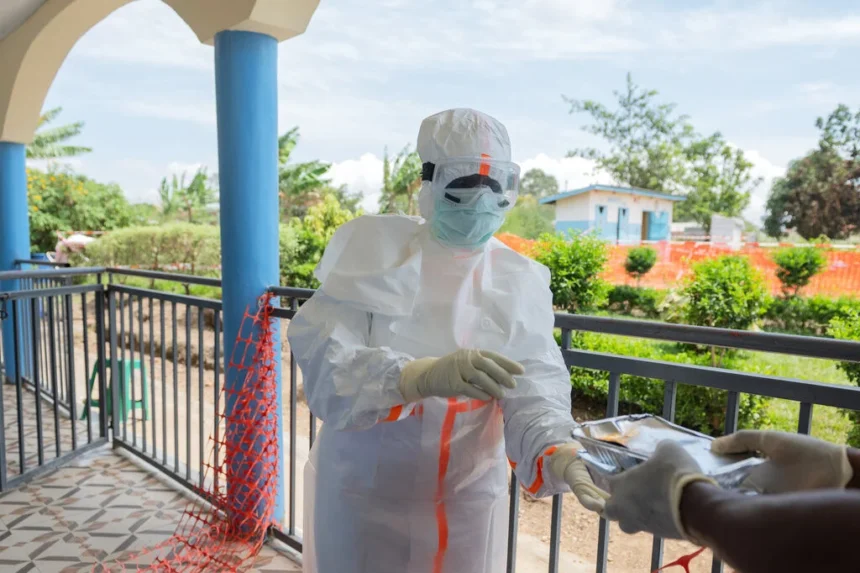
The ministry emphasised that healthcare workers and the public should remain alert, especially when dealing with individuals who have recently travelled from affected regions. Authorities have assured citizens that preventive protocols are in place and that India’s health system is prepared to respond swiftly if any suspected case is detected.
While there is no immediate cause for concern, officials have urged the public to stay informed and follow health advisories as a precautionary measure.