Eid-ul-Fitr is a day of thanksgiving and jubilation as it signifies the successful completion of the sacred month of Ramadan. This festival marks the completion of an act of duty and devotion. It teaches us the lesson that real happiness arises from performing one’s duty and making sacrifices for a noble objective.
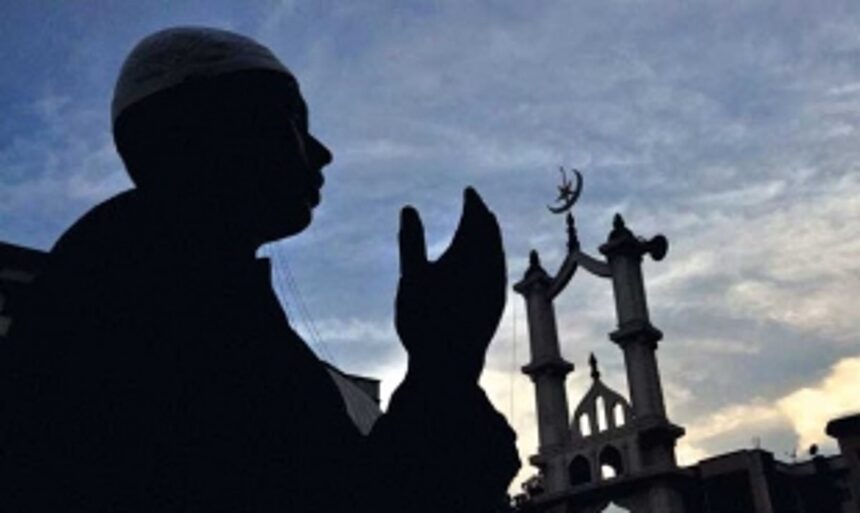
It is with this spirit of thanksgiving that Eid-ul-Fitr is observed all over the world by offering prayers to Almighty Allah, and rejoicing on the accomplishment of an act of dedication and submission to Almighty Allah.
On the day of Eid, Muslims wake up early as usual, and then after doing the early morning Namaaz (Fajr Namaaz) eat in a small quantity, symbolizing the end of Ramadan. They then attend special congregational Namaaz held only for this occasion in mosques, in large open areas, stadiums or arenas in their best attires. The prayer is generally short, and is followed by a sermon (Khutbah). During the Khutbah, the Imam (priest) reminds the community about its responsibilities and obligations towards Almighty Allah, fellow Muslims and the fellow human beings and encourages the Muslims to do good and ward off evil as per the injunctions given in the Holy Quran.
After the congregational Namaaz worshippers wish and embrace each other by saying Eid Mubarak in a spirit of peace and love and create an ambience of happiness. After the special Namaaz, festivities and merriment are commonly observed with visits to the homes of relatives and friends.