PONDA: The erratic and irregular nature of changing rainfall patterns has stirred apprehension among farmers engaged in cultivating monsoon vegetables and kharif paddy crops. Over the past week, rainfall has displayed a sporadic presence, occurring only at isolated locations. As a result, farmers have found themselves in the position of having to provide water for their crops.
This unpredictable rainfall behaviour has caused distress amongst the farming community of Ponda, particularly regarding the irrigation of their monsoon vegetables, which are grown on hill slopes in the taluka.
Traditionally, the rainy season begins in June and extends for four months until September. This year, the rains arrived late, commencing on June 23. This delay disrupted farming activities and compelled farmers to resort to irrigation through tankers or tap water for their monsoon vegetable cultivation. Subsequently, while the rainfall situation improved, continuous heavy rain in July adversely affected flowering and resulted in a production decline of 30 to 40 percent.
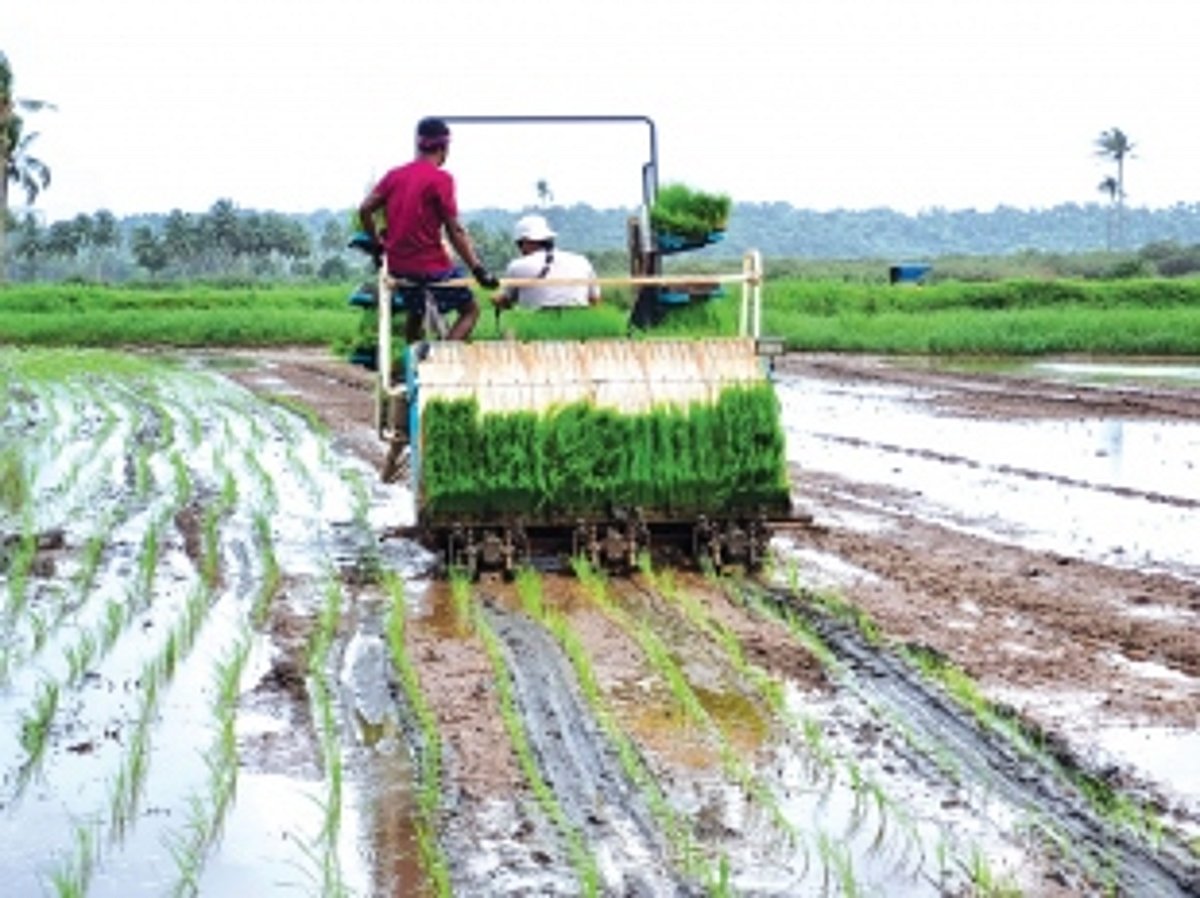
“It is worrisome as farmers have already faced losses due to the unprecedented rainfall in July; we had to replant a few fields as the crop drowned and rotted. Now, some fields that depend on rain are struggling due to the lull. Weed growth spurts during dry periods, and lack of water leads to low yield – dry or hollow shells of paddy at harvest,” said Kenneth Lopes of Goencho Xetkar, a company that carries out mechanised farming.
Notably, monsoon vegetables such as cucumber, lady’s fingers, and gosali experience heightened demand during the Ganesh Chaturthi festival, scheduled for
September 19 this year. With the festival just a month away, the survival of these crops heavily relies on adequate rainfall.