Margao: Following directives from the Bombay High Court at Goa, the final demarcation of the Margao kabrastan land was conducted peacefully on Thursday under police protection.
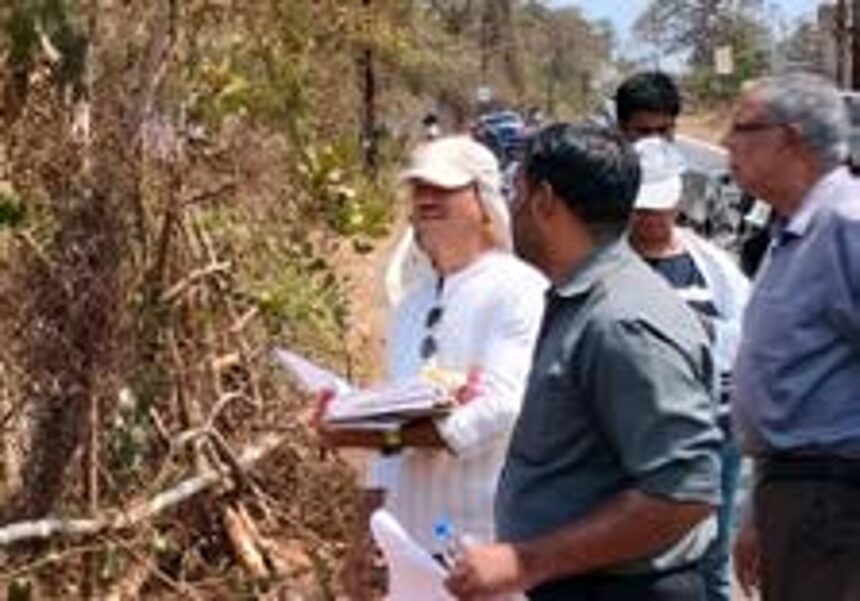
For the inspection, Chief Surveyor Savio Pereira from the Department of Survey and Land Records, along with other officials, were present. Pereira informed the media that the demarcation report would be submitted to the HC.
Members of the Borda Chapel’s committee, Raia Church Fabrica, and a representative from the Bishop’s House monitored the survey process closely.
During last week’s HC hearing, Attorney General Devidas Pangam stated that the survey and demarcation of Margao’s kabrastan site would begin on March 14. The court noted that while the land was acquired for the kabrastan, its purpose had not been established. The HC recommended involving Borda chapel officials and Raia Church Fabrica members in the survey process to expedite issue resolution, issuing directions accordingly.
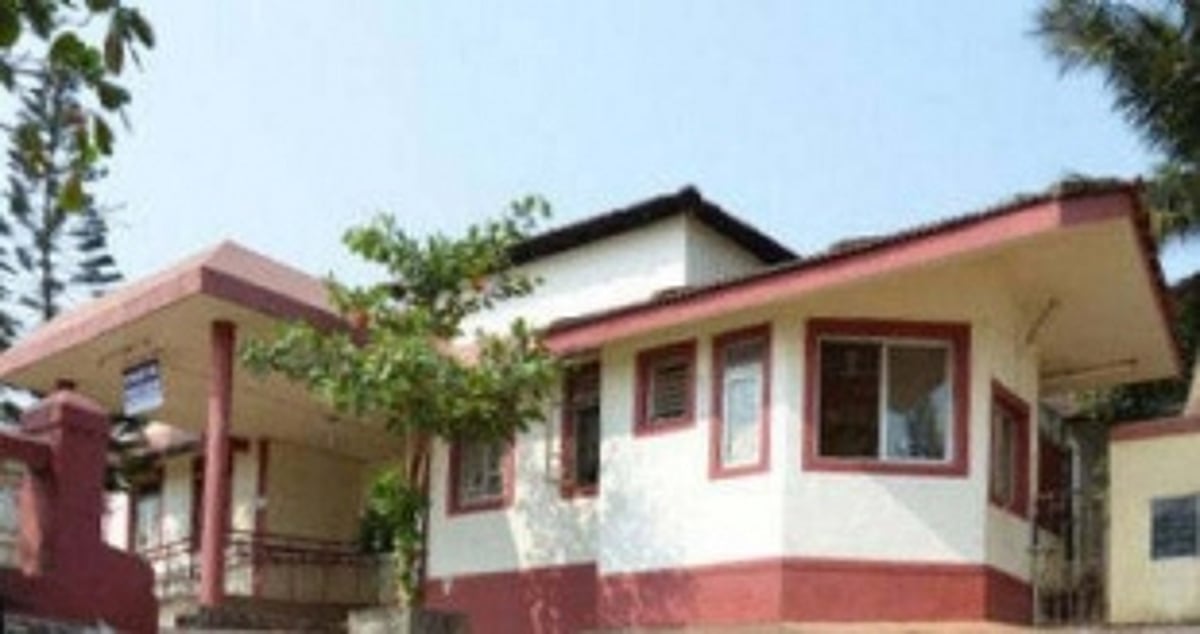
During the hearing, the counsel for St Joaquim Chapel in Borda raised concerns about potential use of church property for the kabrastan access. The AG clarified that surveyors intended to access the chapel property only for survey purposes, citing provisions in the Land Revenue Code and city survey rules. The AG assured that this was communicated to the chapel’s committee.
The counsel confirmed that the government’s surveyors would be allowed access for the survey, if necessary, through the chapel’s property. The HC stressed the importance of cooperation from all parties, including the chapel and Raia church, for the survey and demarcation process to comply with court orders.
Prior to this hearing, the HC had issued notices to the Chaplain after the AG highlighted obstruction allegedly by the chapel committee preventing access to the kabrastan site.
Out of the 30,000 sqm of government-acquired land in Sonsoddo for a burial ground, only 2,500 sqm has been chosen by the consultant appointed by GSUDA for the kabrastan. The remainder has been deemed ‘unusable due to the steep gradient’.