BALLI: May 25, 2011, Sukdo Velip’s brother Dilip Velip was burnt to death in the Balli riots.
Dilip and his family lived in this tiny hamlet of Morpilla. On the night of May 24, he left his wife who was pregnant, his daughter and mother to pick up his friend Mahesh from Gaondongrim to meet the UTAA President Prakash Velip and spend the night at Balli to prepare for the massive agitation for tribal rights the next day.
Dilip, a peon at the Directorate of Health Services in Vasco, joined other United Tribal Associations Alliance (UTAA) activists at Balli to fight for rights and justice for tribals including reservations. The crowd was 10,000 strong.
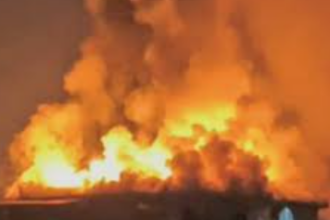
The next day there were clashes and violence where he was hacked to death inside the walls of Adarsh Society, a cooperative set up mainly for tribals, and the venue was set on fire. His friend Mangesh Gaonkar also perished.
Almost 13 years, after these Balli riots that snuffed out the lives of Mangesh Gaonkar from Gaondongrim and Dilip Velip from Morpirla, the community is reflecting on the aftermath and their unfulfilled demands.
Even after 13 years, the community suffers the stench of betrayal with the most prominent being political reservation for the Tribals in Goa.
Even though the organisation Mission Political Reservation for STs of Goa has been fighting for the cause, there are many other needs of the community that still remain unfulfilled.
Speaking to O Heraldo 70-year-old Sukdo Velip, the brother of Dilip, expressed his confusion about the benefits the community gained from Dilip’s martyrdom.
Highlighted the community’s expectations, he said, “The community expects jobs for the educated youth, justified price, support and respect for farmers, which have not been fulfilled.”
Sukdo recalled Deelip’s deep concern for the community and his discussions about the issues affecting the STs and their upliftment.
Sukdo’s son shared his experience of giving up on waiting for a job and assisting his father in his daily agricultural work.
Sukdo expressed the community’s cautious approach to voting in the upcoming elections. He said, “Candidates come to ask votes every time election is declared, but now we will do our duty of voting but with extra caution.”