People in elected high offices largely do not understand what poverty feels like. And the few who do, forget, once they are on their powerful chairs leading comfortable lives, paid by taxes that hard-working common citizens pay. And that too, without quite getting the minimum quality and ease of life that is expected and deserved.
Poverty is not only about having low or zero cash at home and a nil bank balance. Poverty is when you have no hope when you see a dark future when you do not seem to receive the promises made. Poverty is also relative to what your state of life was and what it is now.
Most elected governments and leaders do not get this because in their service to “development” and “ease of doing business” they simply ignore the “ease of life and living mantra”. Those celebrating Gandhi Jayanti officially may well be asked to seriously ask themselves and their state of governance one question: “Do people have less or more than what they had earlier” and if they have less they are moving towards a poorer state. And that, according to Mahatma Gandhi “is the worst form of violence.”
People didn’t have billions in the bank in Goa, but they were rich.
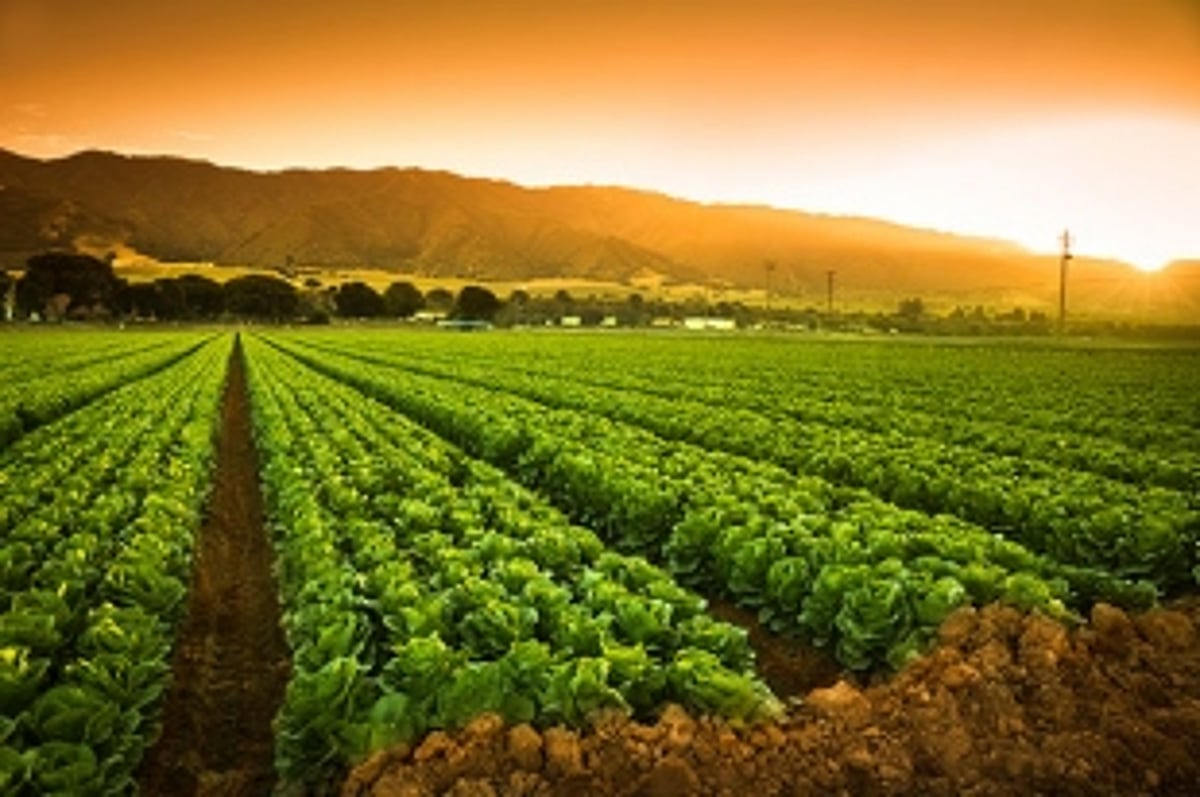
Take Goa for instance. There was a time when our farms were full, people farmed on each other’s lands. They had two to three crops so there was plenty of food on the table. Eating fish was not expensive because there was plenty of fish in the rivers, backwaters and lakes. You just went and caught fresh fish and brought home. People didn’t have billions in the bank in Goa, but they were rich.
Why do these simple everyday activities seem so important? They are because today Goans are actually fighting a battle against the so-called forces of “development” to simply allow them to lead the rich lives they led before. It’s not that Goans didn’t have food on their table. But they are leading poorer lives.
With the farming sector productiveness going down, with opportunities to upskill and get jobs at a new born stage. With manufacturing low and unemployment higher than the national average, is Goa guilty of inflicting Gandhiji’s version of the worst form of violence, poverty? This is the question and introspection that those who govern us and ask us to follow the values of Gandhiji must ask themselves.
A NITI Aayog report at the end of 2022, stated that in 2020-21 Goa had an unemployment rate of 10.5%, the third highest in the country or a figure of about 1.1 lakh people registered unemployed.
On September 22, the Centre for Monitoring India Economy made a significant finding. Goa’s unemployment was close to 16%, in mid-2022 and it was about 4 to 5% higher than in January 2022. Thus, there was a 5 % leap in unemployment in six months. The Chief Minster underplayed the Nityi Aayog report saying that 80% of the jobseekers had got private jobs. But Goans are waiting for corresponding data to back this claim with information on the companies they got hired by and whether they were hired for roles commensurate with their education and experience.
The phenomenon that hurts the most is having to sacrifice the ancestral wealth of the people in the form of lands for projects. Communities traditionally functioned based on known ground beliefs and ground knowledge. If the community recognised your family’s ancestral claim on the land, no one would dispute this. But land has been targeted by real estate sharks, builders and other project developers. People who say that above them all is the government, do seem to have merit in their saying.
Goans are in a race- for compensation for lost lands and loss of livelihoods
Across the landscape, their fight for lands that were earlier sources of livelihood is on. That is now the race the Goans are running. Those whose lands have either been submerged or acquired or both due to various projects like the Western Bypass project in Salcete, the Mopa link road acquisition and so on.
Are no tears shed for traditional fishermen because “settings” are done with formalin mafia?
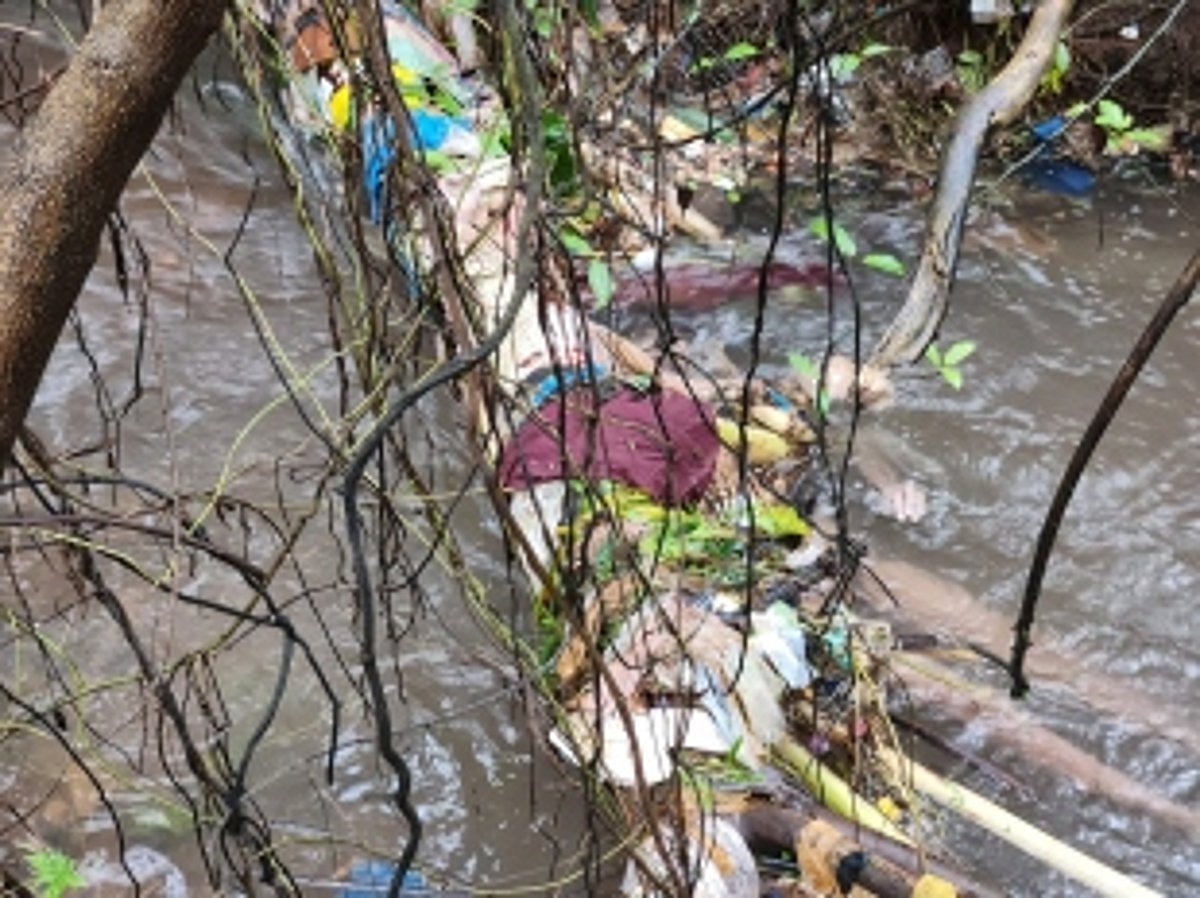
At the same time, traditional communities like fisherfolk are fighting to keep Goan waters free of rogue mechanised fighting trawlers. At other times they are busy trying to meet those in Government in charge of their welfare, simply wondering why they as traditional fishermen don’t have money in their hands to even repair their fishing nets and their boats. They are asking if this insensitive attitude towards the plight of traditional is because the supply of fish through fish brokers and sharks is “formalinized” with big LED light-fitted trawler sharks coming from Karnataka but owned by the Goan formalin mafia.
What would Mahatma Gandhi have felt to hear of farmers selling their wives’ jewellery to repair broken bunds?
On this day, can those who are leading official celebrations ask, would Mahatma Gandhi have been happy to hear about maggot rice given to the poor, massive unpaid dues to Self-Help groups, who provide meals to school children, outstanding for months, or a Rs 1 crore subsidy bill pending to Fair Price Shop owners, who supply subsidized foodgrains to those with meagre incomes so that their home fires can burn.
And then, what would his thoughts be if he knew so many of farmers have had to pay to repair bunds around their fields by pawning their wives’ jewellery?
Today speeches will be made, and Gandhiji’s values will be recalled but let us ask if a single of those values is imbibed and followed. Can anyone who governs today, truly and honestly say these words of the Mahatma (in his autobiography My Experiments with Truth) can be said about him or her: “Service of the poor has been my heart’s desire, and it has always thrown me amongst the poor and enabled me to identify myself with them.”
Only when they can, will October 2nd have real value.