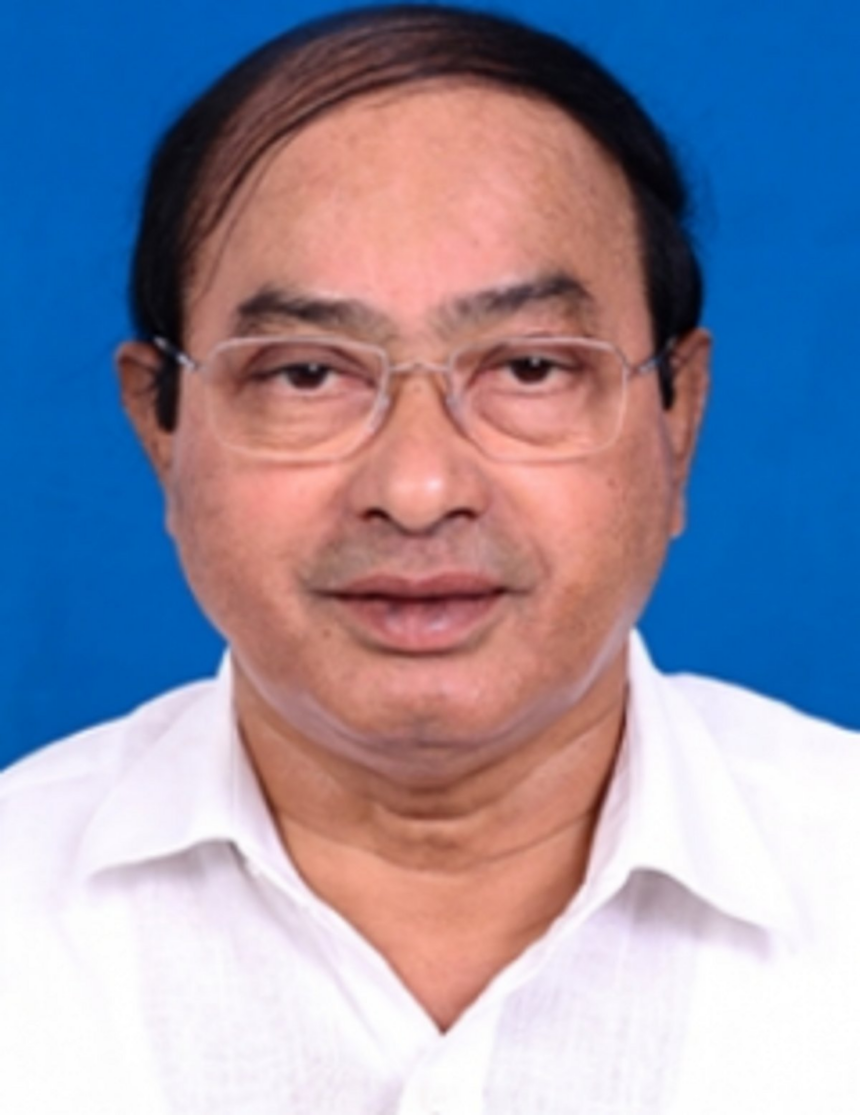
MARGAO: Agriculture Minister Ravi Naik, responding to opposition from Borim residents and Loutolim farmers regarding the Borim Bridge project, “emphasised” the “necessity of development projects to keep the State and country aligned with global standards.” The Minister urged the public to cooperate by providing the required land for these projects.
While making this appeal, the Minister also stressed the importance of preserving agricultural land for future generations, with a rider that even agricultural land should be given up for infrastructure projects.
“Farmers in Goa may have some land or horticulturists have land for mango and cashew plantations. They need to be preserved. If those lands are sold, they will go to people from outside the State. Goans will not get those lands back, as houses, buildings and other projects will come up on them. What will Goans do then?” asked Naik.
The Minister said that the only exception to land use restrictions could be when the government acquires agricultural land for development projects. “If there are problems in commuting while the State is progressing, it is necessary to build new facilities to address this. If new roads are not built, road widening is not done, time is wasted in traffic jams. Fuel is wasted; it is the people who suffer,” said the Minister. “People should recognise the need and cooperate with the State government by giving land,” said Naik, while acknowledging that the affected people would be unhappy about losing their land.
Responding to criticism that the infrastructure projects, including the Borim Bridge and National Highway expansion, are linked to coal transportation, the Minister acknowledged freedom of expression and stated that opinions vary, and that the government cannot control public perceptions and expressions.