PANJIM: Chief Minister Pramod Sawant on Friday committed to instruct the Goa State Pollution Control Board (GSPCB) to address the issues related to pollution caused by factories operating in the Cuncolim Industrial Estate. This response came after Leader of the Opposition Yuri Alemao raised concerns about air and water pollution, illegal activities, encroachments on agricultural land and private properties by certain industrial units within the Cuncolim Industrial Estate.
In his letter to the Chief Minister, Alemao stressed that despite repeated demands, government authorities had failed to take action against those violating norms and regulations in the Cuncolim Industrial Estate. He has called the situation a “curse” for the people of Cuncolim and urged the government to appoint a nodal agency to monitor and prevent encroachments, pollution, illegal activities, and non-compliance with norms.
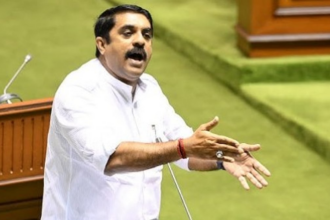
Yuri Alemao also raised the issue in the Legislative Assembly, pointing out that migrant workers were residing within the Cuncolim Industrial Estate. He accused the Goa Industrial Development Corporation (IDC) of failing to take action against such industries and demanded the immediate closure of polluting industries operating within the estate.
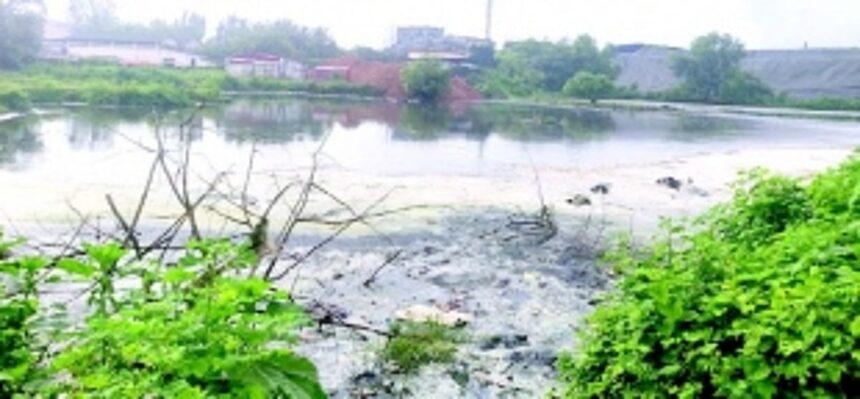
In response to the environmental concerns, residents of Cuncolim will commence with demonstrations at the Cuncolim IDC Main gate on Sunday, October 22, to raise awareness and expose alleged hazardous pollution caused by the factories, which are reportedly violating industrial operational and waste disposal norms.
The citizens of Cuncolim have been expressing their concerns about pollution in the area for nearly two decades, highlighting the impact on public health and the environment. They have cited problems like foul odours, the disposal of untreated water into drainages and canals, and the pumping of wastewater into bore wells by fish processing industries, among other issues.