SHWETA KAMAT
shweta@herald-goa.com
The 70-day COVID-19 pandemic enforced-lockdown has got us to appreciate how important nature is in our day-to-day living. Goa is not an exception to this. The sign of tangible improvements in nature has made us think about maintaining a fine balance between environment and our lifestyle.
“Today the entire world is hit by the pandemic, COVID-19. The world has cut its daily carbon dioxide emissions at the peak of the pandemic shutdown. The sky is clearer; the water is less polluted, promoting co-existence of all beings. This shows, we as humans should show gratitude to the nature and the efforts should be to strike a fine balance between environment and development. We must strive towards sustainable development,” said Goa Governor Satya Pal Malik on the World Environment Day.
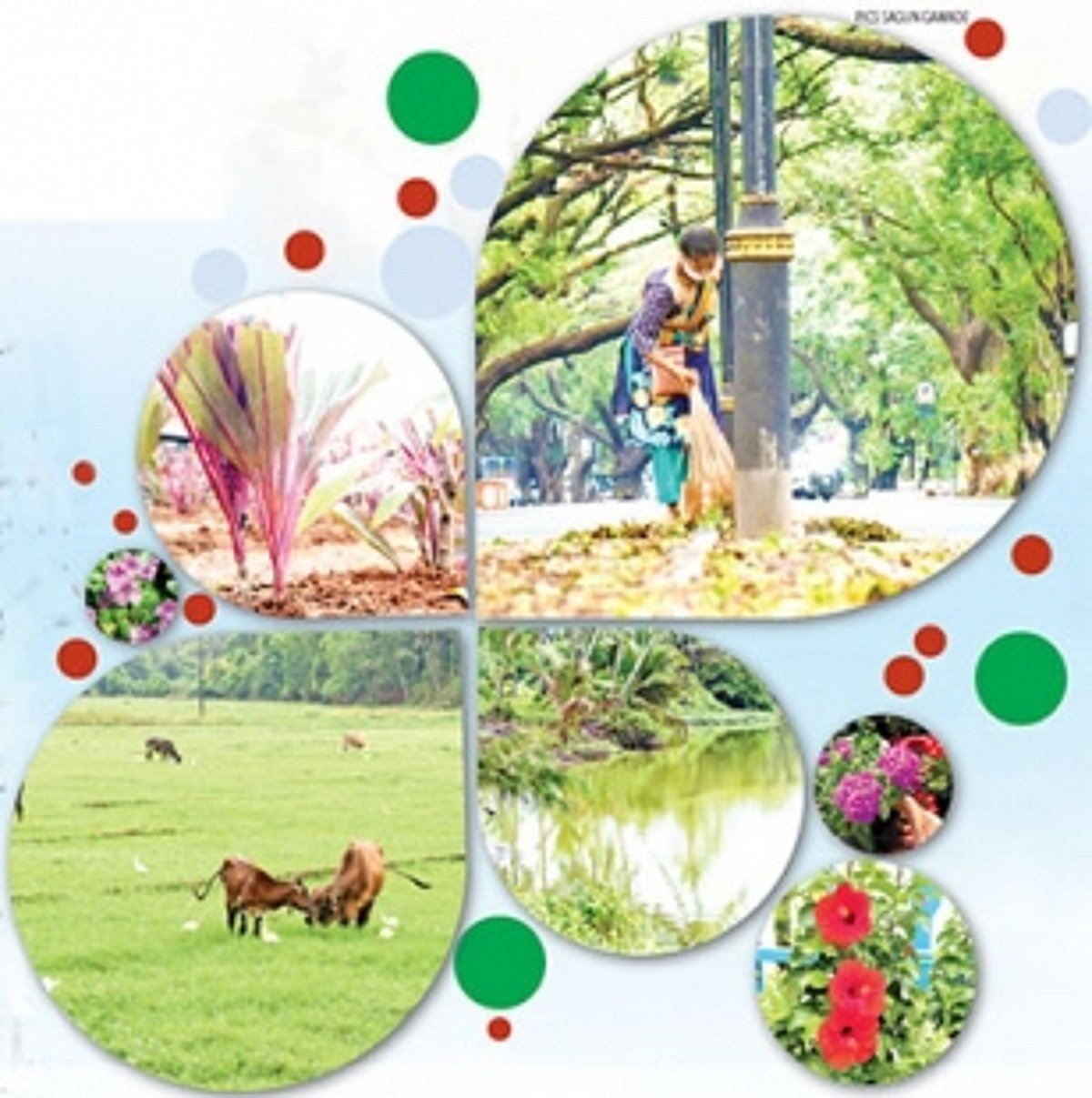
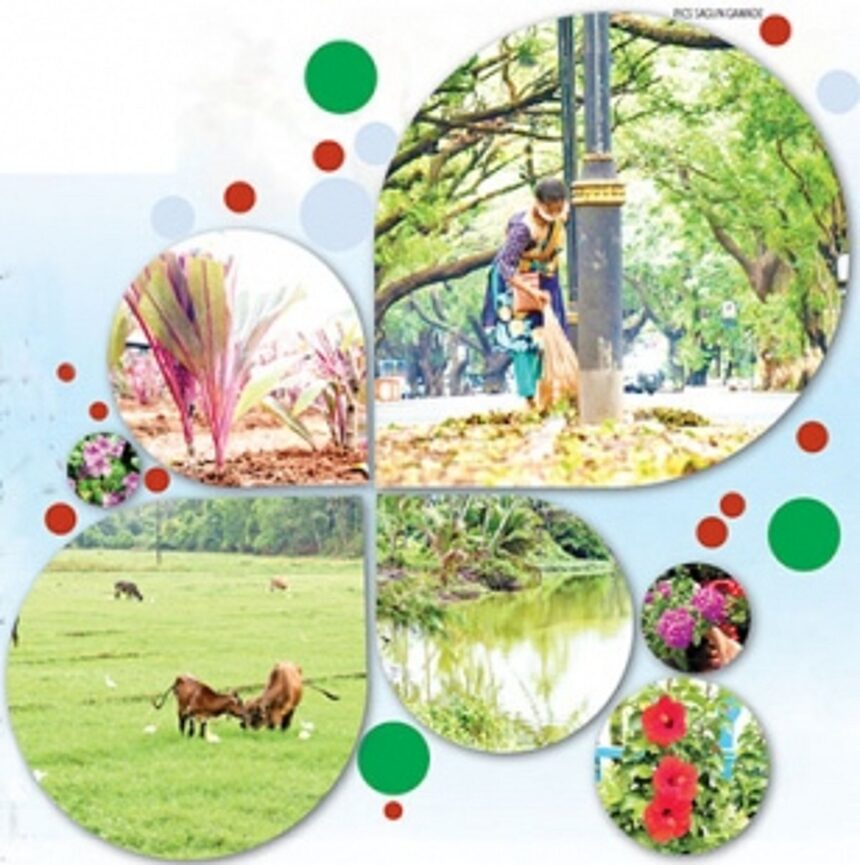
From breathing clear air to flowering trees to spotting various wildlife, here are some changes that we have seen during the coronavirus lockdown in Goa.
Improvement in Air Quality
Goa State Pollution Control Board’s (GSPCB) field measurements show there is substantial reduction in the concentration of suspended particulate matter (PM), a major component of air pollution, in the atmosphere, due to reduced human activities like vehicular moments, industrial operations, discharge of pollution emission, waste burning, etc.
“On an average, the reduction in PM concentrations is around 60-70% in April-May. However, with the relaxations, which came into effect from mid-May, the PM count is slowly rising. But it is far better compared to what it is until March. There is a large improvement in air quality, especially in urban areas- from alarming or poor to satisfactory or good. The main reason is reduced human activities. Vasco town also shows PM concentration within limits,” a senior engineer of GSPCB said. Another official explained that in cities, 70-80% air pollution is caused due to vehicular emission; due to lockdown, there was a large reduction. “When industrial activities were shut, the air pollution in those areas also came under control,” he said.
Revival of coastline
The lack of footfalls along the beaches allowed sand to replenish the beaches. Something, which would have never happened considering the amount of visitors on the shores, said former NIO scientist Antonio Mascarenhas.
“Since no one has disturbed the beaches for the last two months, the situation is similar on almost all shores,” he said, while adding that sand dune vegetation has got a bit of a breather. He said the destruction of sand dunes was a major cause of worry; but in the last two months, he has noticed a bit of improvement in the system. And he says, this is a welcome move. “The impact of the lockdown on the environment will be felt in the long run. As days went by and we struggled with getting used to life indoors, we started noticing the environment around us transforming in palpable ways,” he added.
Cleaner water bodies
The closure of beach shacks, hotels, restaurants and industrial units, which are always considered as major contributors of direct discharge of sewage and waste into water bodies, resulted into regular rejuvenation of water to some extent.
“The most noticeable effects are cleaner air, cleaner water, less waste, very low noise levels, and the wildlife that came out of hiding,” said Mascarenhas, while adding, ‘people have told me how the water bodies like rivers, creeks, have worn a different look with clean water’.
“There is no discharge of raw sewage or other waste into these water bodies…this has stopped to a certain level or I will say to a great level,” he explained.
Goa State Biodiversity Chief Pradeep Sarmokadam said river rejuvenation has begun with a change in the ground situation. “This is a great sign,” he said.
Wildlife in the open
For the very first time, a Black Panther was spotted in the State’s wild; while a clear and non-disturbing coastline recorded turtle’s hatching- a rare scene otherwise. The stillness on the streets encouraged birds to come out.
“You can hear so many bird sounds. Some of the chirping sounds, which were never heard in the past. The nature has revived itself. As the nature was left untouched, the eco-system showed signs of revival. Vegetation cover has improved. Though, these are marginal signs, we welcome the change,” Sarmokadam said.
The lack of vehicular movements and human interference cum activities has even promoted animals to come out and live their lives. “It was also nice to see, people getting back to their roots. We got so many calls this time, asking for local seed varieties, which never happened all these years,” Sarmokadam said, while speaking on the need to boost agro-biodiversity.
New architectural strategies
Considering the improvement in air quality, enhanced marine life with clean water quality, safer wildlife, rejuvenated vegetation covers with no human interference, better green cover etc; all this has resulted in a huge transformation on our health which has generated a need for a relook at planning strategies and actions in through architecture, with an objective of creating a healthy environment and ensuring the good health of the people, said Indian Institute of Architects, Goa Chapter Chief Manguesh Prabhugaonkar.
He said the situation post-pandemic, will pose challenges and offer opportunities to architects. From revisiting design principles, guideline, frameworks to communicating them to the policy makers, building industry stakeholders and masses, there is a need for analysis of development patterns in Goa that is directly related to formulating policies of preservation and conservation of biodiversity.
Prabhugaonkar said that architecture can move towards a roadmap that gives due respect to our sensitive nature and its superimposed layers of biodiversity across Goa’s landscapes. “With both short-term and long-term preparedness , it can be a new world with re-adaptive strategies and regenerate a safe and healthy environment with Standard Operating Procedures (SOPs) and social distancing norms enveloped into our architectural designs, by keeping a balance towards the needs of biodiversity,” he maintained.