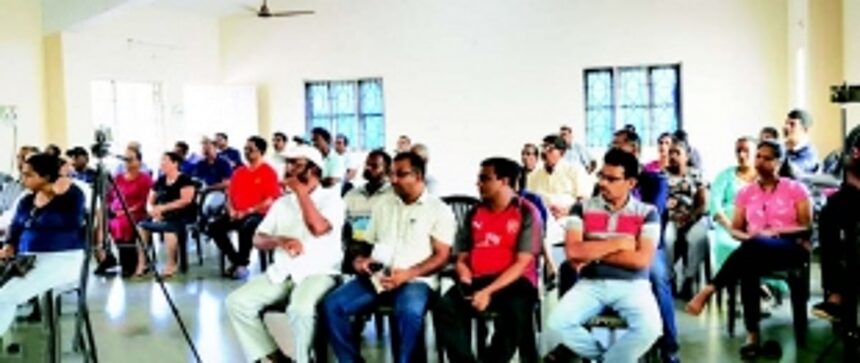
MARGAO: Over the past few weeks, farmers from various talukas in South Goa, spanning from Canacona to Cortalim, have actively participated in public meetings organised by NGO Goyche Fudle Pilge Khatir (GFPK). During these gatherings, farmers have seized the opportunity to express their concerns and hopes that the current issues they face will be addressed in the forthcoming draft Agricultural Policy.
In Cotigao, farmers raised a multitude of issues, including delayed subsidies, marketing challenges, concerns related to animal husbandry, the impact of wildlife reserves on their farming activities, crop compensation, and the need for improved farmers’ markets. They also advocated for the promotion of Goan brands and local agricultural products.
In Netravali, farmers called for the fencing of areas around their lands by the Forest Department, permitting tree cutting in agricultural land, re-evaluation of land classifications, regular soil testing, establishment of a sugar cane factory, and greater involvement of youth in agriculture.
In Rivona, Sanguem, farmers expressed frustration over the complex processes involved in obtaining subsidies and the quality of tractors provided by the Agriculture Department. They also requested support for watershed and lift irrigation facilities.
Among the common themes emerging from these discussions was the unanimous demand that pension eligibility should be based on crop production and years of farming rather than land ownership. Additionally, farmers called for restrictions on non-Goans purchasing agricultural land in Goa, similar to regulations in the northeastern states.
Other proposals included obtaining input credit based on the GST paid for farm machinery and obtaining GST numbers based on Krishi cards. Farmers also suggested that loans for purchasing equipment should be based on previous years’
Income Tax Return (ITR) filings rather than property documents.
Farmers expressed dissatisfaction with crop costing being copied from neighbouring States, emphasising that the margins and labour costs in Goa are distinct. They urged for timely payment of subsidies to enable investments in the next crop cycle.
There was a strong appeal for support from the Animal Husbandry Department, with farmers stressing the importance of keeping local Goan cattle healthy and monitored, as they are more disease-resistant and can help reduce accidents involving stray cattle.
Farmers proposed greater involvement of local farmers in research and development initiatives conducted by the Indian Council of Agricultural Research (ICAR). They called for improved coordination between the Water Resources Department (WRD) and the Agriculture Department to provide the best schemes for lift irrigation and drip/sprinkler irrigation.
Suggestions were made for Krishi Award recipients to be taken to Israel to learn about new innovations, with farmers willing to cover 50% of the expenses to prevent political interference. Calls were made for the taxation of vegetables and fruits from other states and streamlining of horticultural shops and processes, giving priority to locally grown produce.
Farmers emphasised the need to promote Goan grafts and indigenous crop varieties, such as cashew grafts from Goa instead of Vengurla or Sindhudurg.
They also sought assistance and support from the Agriculture Department for the marketing of their products and showed support for community farming initiatives.