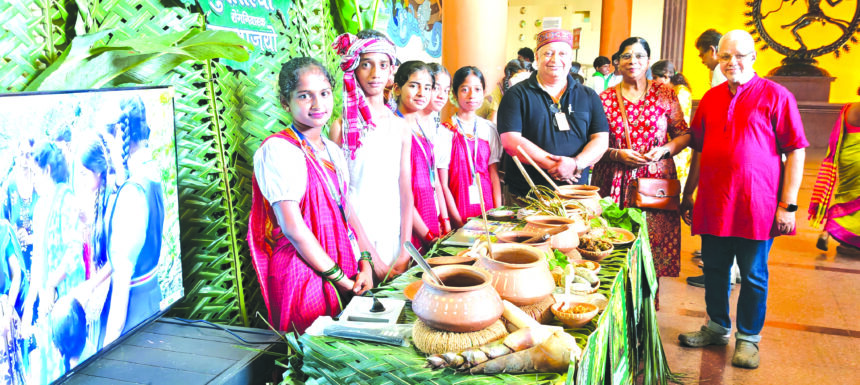
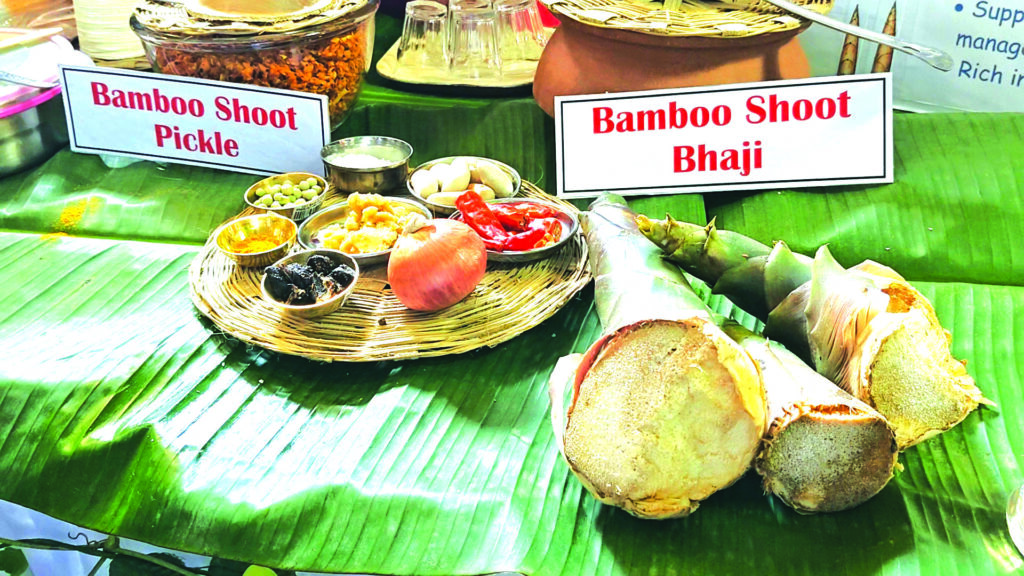
MARGAO: Goa’s forgotten forest flavours took centre stage at the State-level ‘Ran-Bhaji Festival’ at Ravindra Bhavan, Margao, where school students, self-help groups and residents showcased traditional vegetables, recipes and food practices that are gradually disappearing from Goan kitchens.
Organised by the Balraam Charitable Trust in association with the Goa State Biodiversity Board, Department of Tribal Welfare and Department of Agriculture, the festival aimed to create awareness about the nutritional value of forest vegetables and encourage their use in everyday diets.

PWD Minister Digambar Kamat said Margao was proud to host an event highlighting Goa’s traditional food heritage. He urged families to include Ran-Bhaji in their meals, saying, “We need to eat at least two to three Ran-Bhaji varieties in our daily food,” and suggested developing Ran-Bhaji as a brand.
Tribal Welfare Minister Ramesh Tawadkar described the festival as the outcome of teamwork and said it showcased Goa’s rural culture and traditional food heritage. He highlighted innovative preparations, including ice cream and momos made from forest vegetables, and said the government planned to establish an outlet for Ran-Bhaji and take such festivals across Goa.
MLA Deviya Rane said the festival gave urban residents and children an opportunity to learn about lesser-known forest vegetables and their benefits, while MLA Ulhas Tuenkar said he was surprised to learn that nearly 200 varieties existed.
BJP State President Damodar Naik said traditional reliance on organic and locally available food was declining and suggested taking the Ran-Bhaji movement to kitchen gardens and households. Savita Tawadkar stressed the need to preserve traditional knowledge and pass it to future generations.
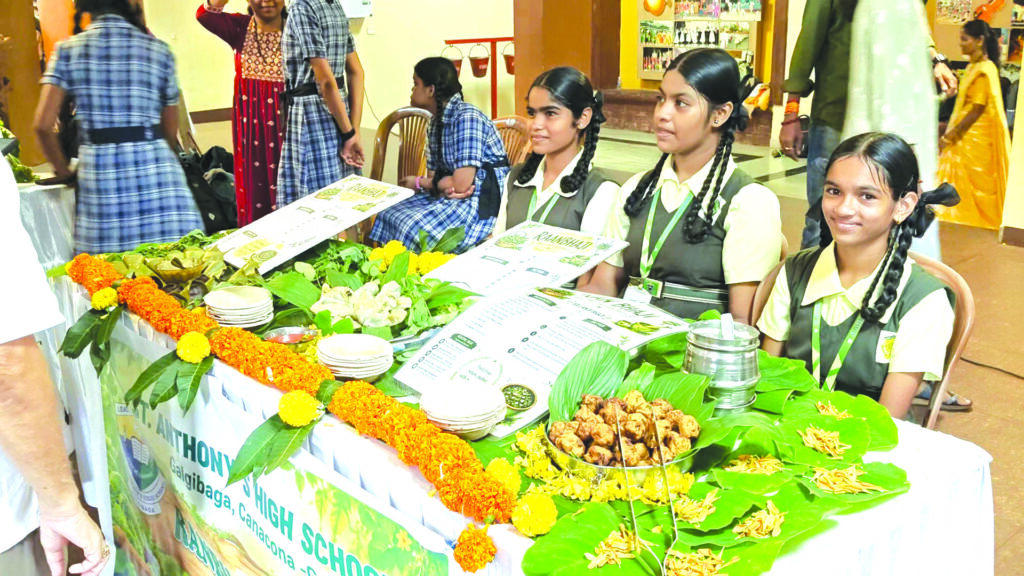
School students added vibrancy to the festival by preparing and creatively presenting traditional dishes using wild and lesser-known vegetables. They explained their preparations and the traditional uses and nutritional value of the ingredients, highlighting the role of younger generations in keeping Goa’s indigenous food heritage alive.