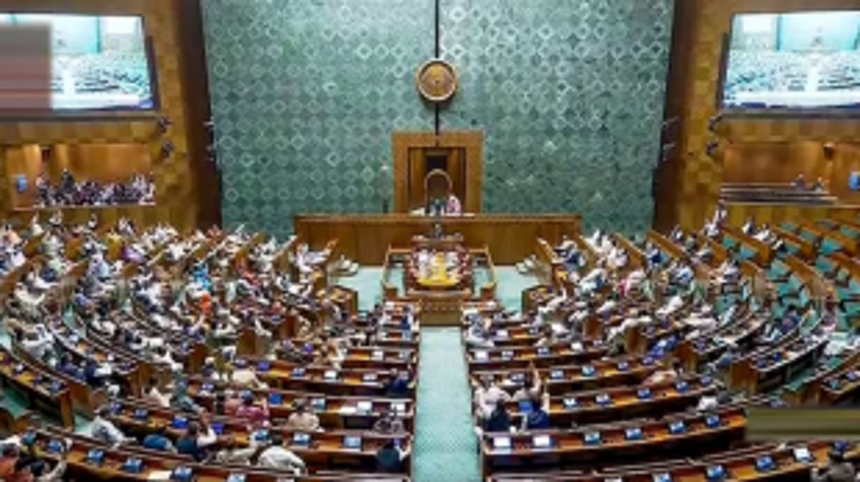
In a significant move, the Indian government has decided to withdraw three new criminal law bills from Lok Sabha, signalling a commitment to address concerns raised by a Parliamentary panel. The proposed Bhartiya Nyay Samhita (BNS) 2023, intended to replace the Indian Penal Code (IPC), has come under scrutiny for its use of the term “mental illness” as a defence for the accused.
The Parliamentary panel, led by BJP MP Brij Lal, expressed reservations about the broad scope of “mental illness,” suggesting it could encompass issues like mood swings and voluntary intoxication. As a result, the panel recommended replacing “mental illness” with “unsound mind” throughout the BNS 2023, arguing that the current wording might enable individuals to evade prosecution by attributing their actions to alcohol or drug influence.
Sources indicate that the government has accepted this suggestion, emphasizing the need for clarity during trial stages. However, other proposed changes face opposition, particularly the omission of the offence of adultery and the rejection of criminalizing non-consensual sex by reintroducing section 377 of the IPC.
While the BNS 2023 has excluded Section 497 of the IPC, following the 2018 Supreme Court ruling decriminalizing adultery, concerns persist regarding the protection of the institution of marriage. The committee proposed retaining the provision with adjustments to address gender discrimination, but the government reportedly disagreed.
The revised bills may encounter resistance from the INDIA bloc in Parliament, as opposition parties coordinate their floor strategy. Their demand for the bills to be referred to a joint Select Committee, despite prior scrutiny by the Parliamentary Standing Committee on Home Affairs, is likely to face government resistance.
Introduced on August 11 by Union Home Minister Amit Shah, the bills encompass various substantive changes in criminal jurisprudence. These include provisions on mob lynching, video trials for speedy justice, e-filing of FIRs, an expanded definition of sedition, the inclusion of corruption, terrorism, and organized crime under penal laws, and the introduction of community service and solitary confinement as new forms of punishment.