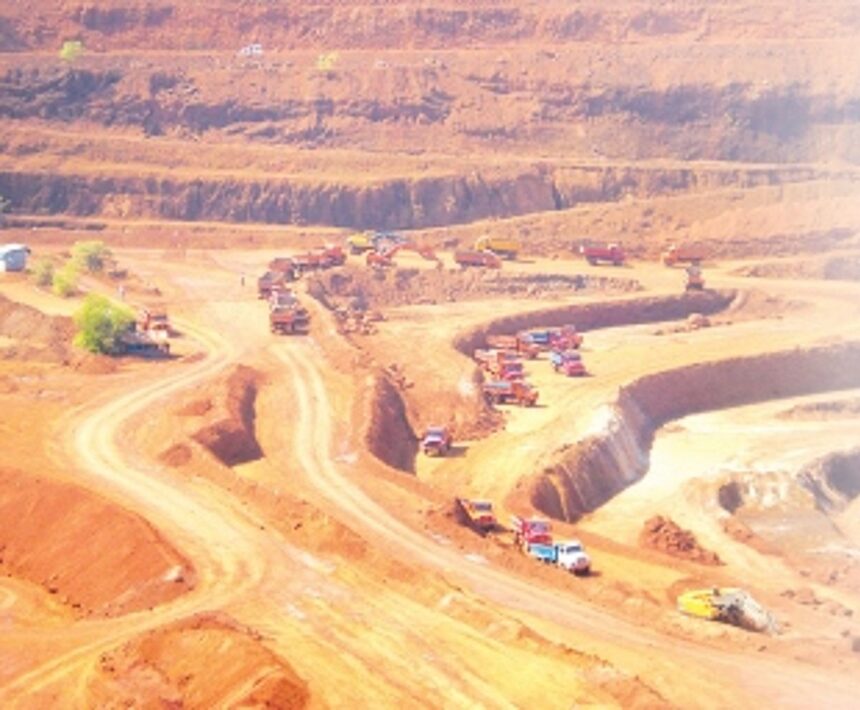
PORVORIM: The Opposition members on Wednesday took the government to task for e-auctioning mining leases based on data provided by erstwhile lease holders, and allowing defaulters to participate in the bidding process. They also criticised the government’s failure to recover the estimated Rs 35,000 crore ‘mining loot’.
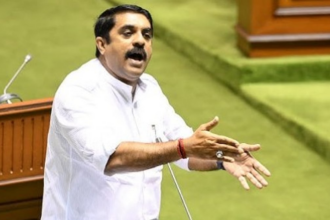
The Legislative Assembly witnessed a heated debate on e-auctioning of mining blocks and recovery from illegal mining during a starred question tabled by Quepem MLA Altone D’Costa and Leader of Opposition Yuri Alemao. They slammed the government for deciding the quantum and quality of iron ore reserves in the e-auctioned mineral blocks based on mining plans submitted by erstwhile lease holders, without independently verifying the data.
In response, CM Pramod Sawant said that although the data has been used, the same has been approved by the Indian Bureau of Mines (IBM). The average grade has been considered as 55 per cent Fe and the royalty will be paid by the lease holders based on the actual extraction. He further informed the House that four lease holders of the nine blocks e-auctioned so far are previous lease holders, while two are new players.
The Opposition questioned as to why the old defaulters involved in illegal mining were allowed to bid mining blocks without recovering their dues. This caused loss to the State exchequer, they added.
Sawant said that 42 mining companies have been issued notices to recover an estimated Rs 352 crore and that so far Rs 80.47 crore has been recovered. He said that defaulters were allowed to participate in the bidding process because they had appealed before the Revisionary Authority of the Union Ministry of Mines. But the State government will recover the dues, he said, adding that one of the reasons for allowing defaulters was also to safeguard the interests of mining workers.
Sawant said that Goa has been permitted to extract 20 million tonnes (MT) annually. This quantity will be divided amongst all lease holders, ensuring that excess extraction will not happen.
The leaseholder has a period of 50 years to extract the resources based on the annual extraction limit as per Environmental Clearance (EC), abiding by the 20 million tonne- extraction cap per year fixed by the Supreme Court.