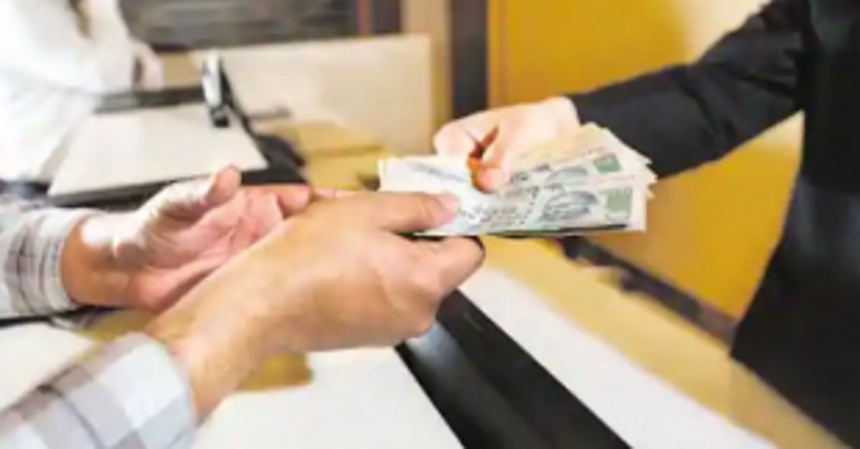
When families need to take a look and relook at their finances, when they check their bank balances every other day, and wonder if the month would be managed, they seldom speak about it to others, at times, not even to their close family members. But they make small sacrifices. At the grocery store, the usual chocolate biscuits are off the order list, the brand of oil that’s cheaper is bought and the quantity of rice is lowered just a bit. These adjustments are small but significant in the overall context. Goans are making these adjustments to make their money stretch longer. Some do it because of uncertainly. Others do it because of immediate necessity.
To get a pulse of how these adjustments are made, speak to local shopkeepers or grocery store owners. They have a greater understanding of the economics of the place and the people, more than those economic experts who give or write opinions in the media. And it is here that we need to ask our first question. Can we stabilise the economy and increase the spending power of Goans by just adding new government jobs?
Or this is done by increasing the basic spending capacity of people by putting money in their pockets?
And how do you do that? By increasing the avenues through which the locals of Goa can earn through their basic skills and professions in ways that are simple. For instance, they should be direct beneficiaries of all government contracts and not get work through middlemen. Because these middlemen or brokers live off major chunks of the contract leaving very little to the local contractor at the grassroots level. With his reduced budgets, he carries out inferior quality work. One of the reasons why roads get cracked and bridges become weak is primarily because of this. And when contract work is not handed directly through local tenders, the local economy suffers. And big fish sitting in Panjim and Margao get rich. Right now, virtually every contract under GSIDC and some under PWD go to one non-Goan contractor who has a monopoly over crores worth of government work. Moreover, such big fish, have so much liquidity that they can even tide over months and years of delayed payments. This helps the government too. That system should stop. Instead of sub-contracts from the big fish, proper direct contracts should go to local contractors.
Why just roads, aren’t we aware that even contracts for advertising hoardings get “Hoarded” in the hands of big fish? The big fish takes the contract, sub-lets it to the local players through prefixing, taking 35% of the contract value. And the same goes for power. Why? Are our local Goan brothers less competent? Shouldn’t they get direct business which will help them in turn to hire local labour, suppliers etc which will put more money in the pockets of locals? This is how local economies get a boost.
Shockingly from Shigmo to the Carnival, everything is managed stage-managed or event managed with little respect given to the cultural roots and traditions of each of these events. Instead, the management of festivals has to be given to organising committees at the taluka or panchayat levels.
From health to power to art and culture to public distribution and more, everything is concentrated at the hands of big players with the rest of Goa literally at the mercy of the big fish.
To improve the economy, you have to improve spending power. And spending power can happen if you have earning power. At present this has been deliberately taken away from the villages and small towns of Goa because a small percentage of people want to acquire more wealth, have posh bungalows and drive the fanciest of cars.
The disparity between the economically secure and the economically weak is increasing day by day. And the only way to fix it is along the lines of what we have suggested.
A positive indicator of an economy is when people’s day to day spending habits improve or at least not go down. That, in turn, helps shopkeepers, suppliers and invokes a chain reaction of prosperity.
At the end of the day, this is the responsibility of governments. To keep their people comfortable and happy and not be in need. Today, we are far from achieving this basic minimum satisfaction. Anyway, people are watching and they know how to give their answer.