Team Herald
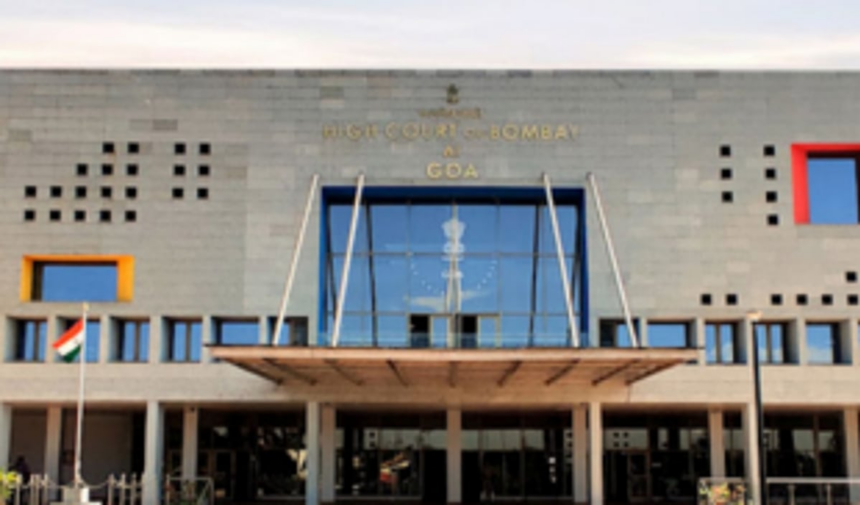
PANJIM: Expressing its surprise and anguish over the arrest of a person by officers from other States at midnight, the High Court of Bombay at Goa has directed the Goa Police to formulate within the next three months standing orders explaining preventive measures to be taken by police officers in cases of arrest or detention till legal provisions are made on their behalf.
The High Court directives came while hearing a criminal writ petition filed by Conceicao D’Souza of Aquem-Baixo, praying for a writ of habeas corpus or any appropriate order or writ directing the respondents to produce her husband before the Court.
The petitioner had filed the criminal writ petition under Articles 226 and 227 of the Constitution of India together with Section 482 of Criminal Procedure Code (CrPC) alleging therein that her husband Bonaventure D’Souza was illegally taken away from his house by the officers of Special Enforcement Bureau, Nellore, Andhra Pradesh during midnight on April 21 this year. Thus, she prayed for a writ of habeas corpus or any appropriate order or writ directing the respondents to produce her husband before this court.
The division bench comprising Justice Mahesh Sonak and Justice B P Deshpande in its order observed that in spite of several precedents by the Supreme Court as well as standing orders issued by the Delhi Police, no such procedure has been adopted in the State till date and directed the Director General of Police (DGP) to take steps in the matter and as directed by the Supreme Court in case of Arnesh Kumar (supra) and provide the necessary guidelines.
The Court said that it is was clear that petitioner’s husband was arrested and produced before the Judicial Magistrate, the manner in which he was arrested from his house at around 1.30 am was surprising.
Though the petition was disposed of since the petitioner’s husband was released on bail on May 4, the Court expected that Goa Police will formulate standing orders as early as possible and latest by within three months from the date of order.
The court has asked the DGP to file a compliance report latest by January 31, 2023, and to forward the copy of the order to DGP, Secretary (Home) and the public prosecutor appearing in the High Court for the purpose of compliance.
The petitioner’s husband was arrested from his house during night time by the officers of the Enforcement Bureau, Andhra Pradesh when he was called at Margao Town Police Station and thereafter he was taken in a car out of Goa.
The Enforcement Bureau in its affidavit stated that D’Souza was one of the accused in a criminal case registered with Special Enforcement Bureau Station, Nellore-I on March 28, 2022 in connection with the seizure of 5,897 bottles of substandard diluted liquor. The other accused arrested had disclosed that they purchased such liquor from D’Souza and his brother from Goa. The respondents further stated that permission from the Andhra Pradesh DGP was sought and it was granted vide permission dated April 7, 2022.
Adv Gaurish Agni arguing on behalf of the petitioner told the court that the issue of the initial arrest of Bonaventure D’Souza and the manner in which he was picked up from Goa requires consideration. He said there are certain decisions of the Supreme Court which would hold that if the initial arrest is itself vulnerable and falls foul of not only the statutory safeguards provided in the Code of Criminal Procedure (CrPC) 1973 but also the constitutional guarantees in Articles 21 and 22 of the Constitution of India then, the appropriate orders are required to be made in a writ seeking habeas corpus.
After going through the facts, the court felt proper to hear counsel for the petitioner and the public prosecutor for the State on the larger issues with regard to the arrest and detention of the suspects residing in Goa, by the police officers from outside Goa and the procedure to be adopted in such eventualities.