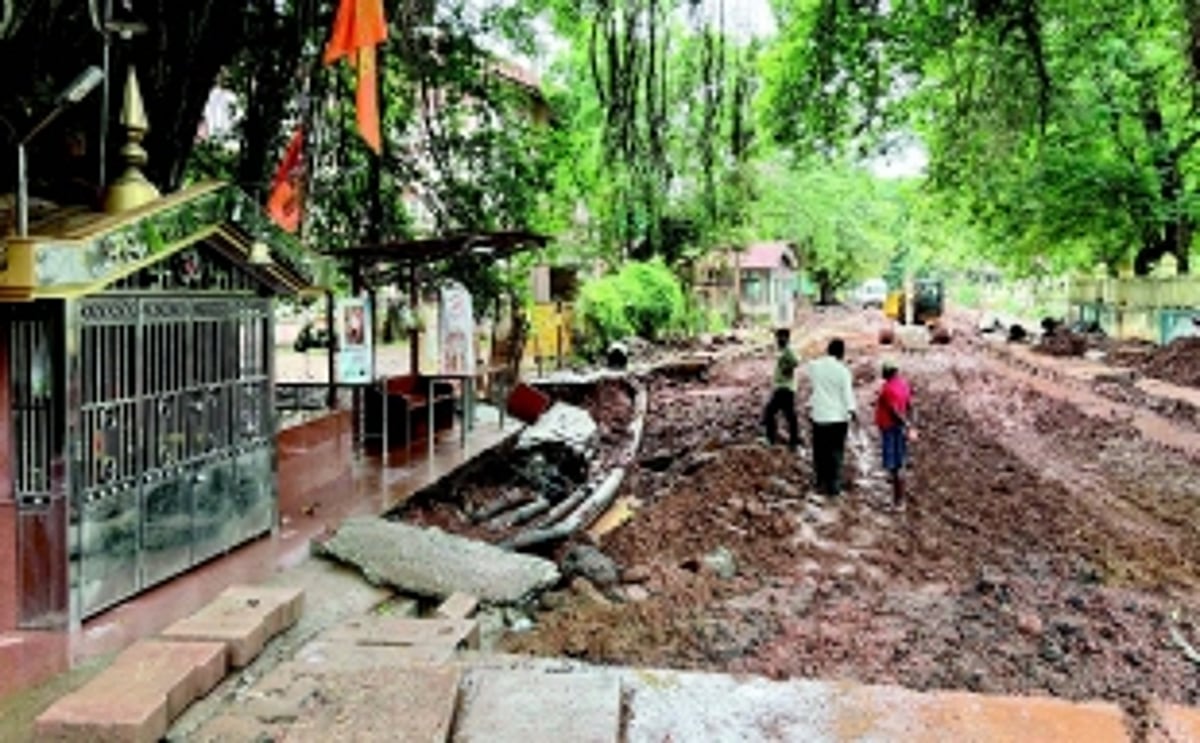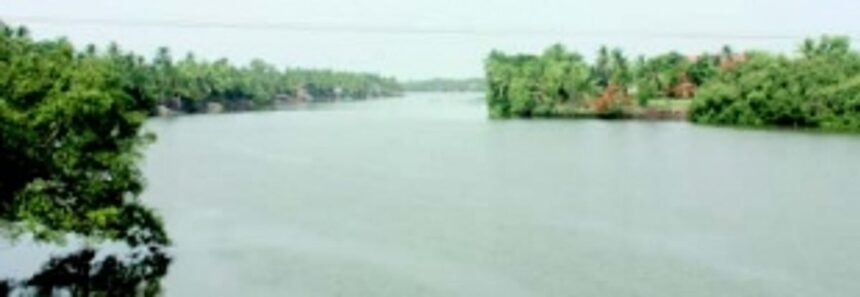
PANJIM: The High Court of Bombay at Goa on Tuesday asked all the respondents to file compliance affidavits regarding the pollution caused due to release of sewage in the fields and River Sal at SalpemTolem village.
The Court asked the Goa State Pollution Control Board (GSPCB), Sewerage and Infrastructural Development Corporation of Goa Ltd (SIDCGL), Margao Municipal Council (MMC) and the Navelim village panchayat to file their compliance affidavits. The Court was hearing a public interest litigation (PIL) writ petition filed by Prof Antonio Alvares of Sinquetim-Navelim, against the discharge of untreated sewage into the fields and River Sal.
During the inspection carried out by the MMC, they had found that almost 149 households and commercial establishments were releasing sewerage directly into the drains and from there into the nullah and eventually into the fields and lakes. The MMC had however disputed the petitioner’s complaint that the discharged sewerage was leading into the River Sal.
Though the MMC had told the Court that it will issue show cause notice to 149 households, the Court had observed that releasing untreated sewage into public drains or sewers, was a serious matter and the same will have to be dealt with by the municipality with utmost seriousness. Such release of sewage, apart from occasional nuisance, also constitutes a serious health hazard.
The Court had also asked the GSPCB to consider action against commercial establishments that were allegedly involved in the discharge of sewage into drains and fields.
The petitioner has claimed that the flow of sewage had remained unabated despite some initial measures taken by authorities. He had feared that during monsoon, the SalpemLake and the River Sal will be flooded, and all the excrement, garbage, junk, leaves, rubbish, runoff, slop, and trash will be discharged through the fields into the River Sal. During monsoon, the Sewage Treatment Plant (STP) was unable to handle the increased volume of water, leading to the direct release of untreated sewage into the fields and river.