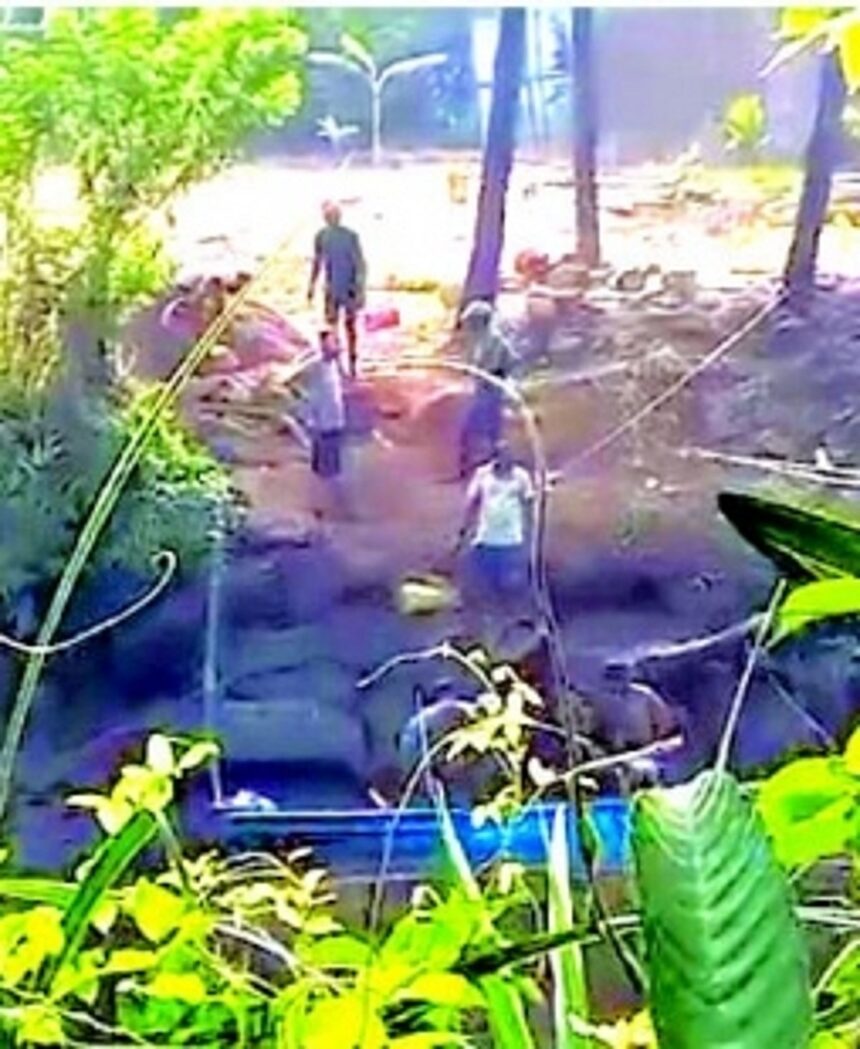
MARGAO: Despite numerous complaints and legal actions to halt it, illegal sand extraction in Chandor persists, causing environmental damage to riverbanks and streams. Exclusive videos obtained by O Heraldo depict canoes being filled with sand in Chandor and unloaded in Assolda, exposing a brazen disregard for law enforcement and environmental regulations. The unchecked extraction poses irreversible harm to the region’s biodiversity.
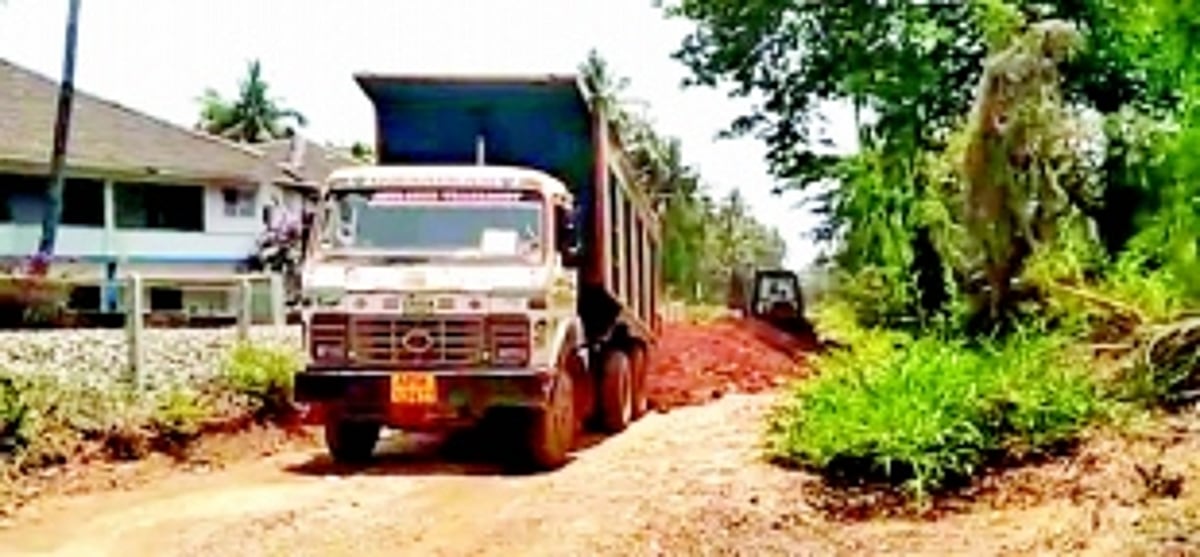
The extracted sand is subsequently loaded into tipper trucks and sold to buyers, depriving the government of revenue and exacerbating environmental hazards like soil erosion and habitat loss. Activists from the River Sand Protection Network have repeatedly voiced concerns over illegal sand extraction in various riverine villages across the State.
Felix Furtado, a Chandor resident, lamented, “Illegal sand mining menace is a curse perpetrated by some people with the protection of politicians. Umpteen representations to various authorities, did not yield the desired results. Franky Rodrigues, from Guirdolim, has been protesting against this illegal sand mining menace. Since these greedy people who are involved in this illegal business, use suction pumps to pull out maximum sand in a short time, the river banks in Chandor and other affected villages, along with coconut plantations, have collapsed into the river. This will, ultimately, cause erosion of our seashore and beaches as there will be no sand for replenishment.”
Residents also question the accuracy of affidavits submitted by the Collector to the High Court, calling for alignment with ground realities to ensure effective enforcement. Another local, Luel Fernandes echoed concerns over law enforcement, stating, “The police should be held accountable for aiding and abetting the offence by turning a blind eye. Knowing well that this site was in the past used for sand extraction, CCTVs should have been installed at the site and surveillance should be kept. After all, enforcement of the law is the work of the police, based on the information the Collector gives an affidavit in the High Court. Is that affidavit in consonance with what is happening on the ground?”