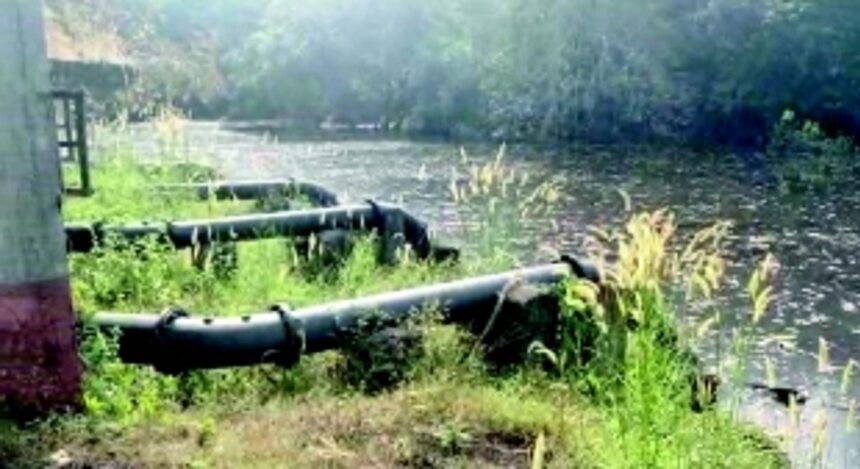
SANGUEM: Farmers residing in rehabilitated colonies at Wadem-Sanguem have voiced their frustration over the inadequate supply of water for agricultural purposes, causing significant hardships for the farming community.
According to the dejected farmers, the irregular supply of water has forced them to constantly monitor and manage the water supply to their farms, inconveniencing them and putting a strain on their time and resources.
The situation is particularly dire for farmers reliant on water from the bhandaras at Wadem. Despite the installation of four pumps, only two are operational, leaving the other two non-functional for several months without any efforts from authorities to repair them.
Jainath Gaonkar, one of the affected farmers, expressed his struggles in ensuring a consistent water supply for his sugarcane plantation, highlighting the critical need for regular watering during the plantation stage to avoid crop loss or poor yields. “Due to the non-functional pumps, the pump operators are unable to supply water to the sugarcane plantations at regular intervals,” he said.
Gaonkar also cited the poor flow of water, which takes hours to reach all corners of the plantation, forcing farmers to spend extended periods at the farms to ensure proper irrigation.
Dairy farmers seek better veterinary
services, diagnostic tools
In addition to the water supply woes, dairy farmer Anish Naik from Neturlim lamented the inadequate medical facilities at the Animal Husbandry and Veterinary Services in Sanguem.
Naik highlighted the shortage of essential medicines, forcing farmers to source them externally, and the lack of an X-ray facility, which hampers proper diagnosis and treatment for injured livestock. Pointing to a cow with a fractured leg in his farm, Naik rued that the department staff only provide basic treatment. “The main problems remain unaddressed, forcing the cattle to remain in pain for days together,” he said. Naik stressed the urgent need for the Animal Husbandry Department to be equipped with sufficient medicines and diagnostic tools, particularly in areas like Sanguem, where dairy farming is a vital source of livelihood for many families.