Elsa Angel Rose
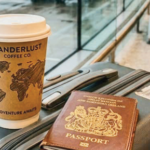
The younger generation seems to worship travel and is often smitten by the very idea of it. Whether it’s after a breakup, to unwind, after earning some extra money, or even as a way to make more through travel content, the destination often remains the same: to keep travelling. But lately, that perception has begun to shift, with many arguing that travel has become far too overhyped. “There is a very large sense of bias. Most importantly, travel is very expensive as compared to the value received. There were several places that I visited that were just not what I anticipated to be. The external colouring that was presented was totally different to what my experience was. It was just not worth it,” said Myron Estibeiro, a bassist by profession from Curtorim. He added, “I strongly feel that travel has also become a symbol of status. If you complete a particular destination, you are slotted into a particular category.”

SOCIAL MEDIA’S IDEALISED NARRATIVE OF TRAVEL “As a content creator, I won’t deny that social media inspires travel. It has helped people discover beautiful hotels, local businesses, and destinations they may never have known about,” said Neha Baig, content creator and body positivity advocate from Ponda. While social media has made travel content accessible to everyone, it also tends to sell an extremely idealised narrative of travel. Scroll through social media, and it’s easy to believe that every trip is full of breathtaking sunsets or beaches, or one incredible experience after another. It makes travel seem like every moment is memorable. But what those posts rarely show are the crowded tourist spots, long and tiring travel days, delayed flights, or the fact that sometimes all you want to do is slow down, sit somewhere quiet, and rest. “A lot of today’s travel culture is driven by Instagram or other social media trends, and that’s understandable because social media has made travel more accessible and inspiring than ever. However, it should be seen as a tool and not the purpose. I always tell people that if you spend your entire trip recreating someone else’s reel, you’ll probably miss your own story,” shared Kevin Pinto, a content Creator and digital marketer from Tivim. Myron Estibeiro shared, “Being at a fancy place gives you status and a sense of achievement. It becomes another checkbox to tick off and put up on your social media profile. Travel is no longer fun; it has become a checklist.”
WHEN HOLIDAYS BECOME A CHECKLIST “I think many people fall in love with the idea of travel, and that’s not necessarily a bad thing. But over the years, I’ve realised the moments I remember most were never the perfect photos. They were conversations with locals, unexpected detours, and sunsets where the camera stayed in my bag,” said Kevin. It’s easy to fall into the habit of treating destinations like boxes to tick. The focus shifts from spending time in a place to fitting as many places as possible into one trip, even if it means barely experiencing any of them. “More than once I’ve returned from a trip feeling exhausted rather than fulfilled. There was a phase where I’d try to cover as much as possible in every trip, chasing sunrise shoots, multiple locations, and back-to-back itineraries. I came home with incredible content but realised I hadn’t really experienced the destination. That changed the way I travel today. I still create content, but I make sure I actually live the journey before I document it,” said Kevin. He added, “I want people to remember how a destination made them feel, whether it was sharing a meal with locals, watching a sunset without rushing, or simply having time to soak it all in. Experiences stay with you much longer than checklists.”
TRAVEL LESS, EXPERIENCE MORE Travel is worth it when it gives you something you couldn’t have experienced at home, not just a new view, but a different pace of life, a conversation with a local, a meal you’ll think about months later, or the chance to see the world from another perspective. Those experiences rarely come from rushing through a packed itinerary. They come from slowing down long enough to notice them. “Some of my favourite travel memories haven’t been the most expensive ones. They’ve been simple moments: watching a sunset, discovering a hidden café, chatting with locals, or waking up to the sound of the waves. It’s about returning with memories that stay with you long after the trip ends,” said Neha. Perhaps the question is not whether travel itself is overrated, but whether the way we have come to approach it is. Travel has the power to broaden our perspectives, introduce us to new cultures, and create memories that last a lifetime. But when it becomes a race to visit more places, capture better pictures, or prove where we have been, it can lose the very meaning that makes it valuable. Sometimes, the most fulfilling journeys are not the ones where we see the most, but the ones where we take the time to truly experience where we are.