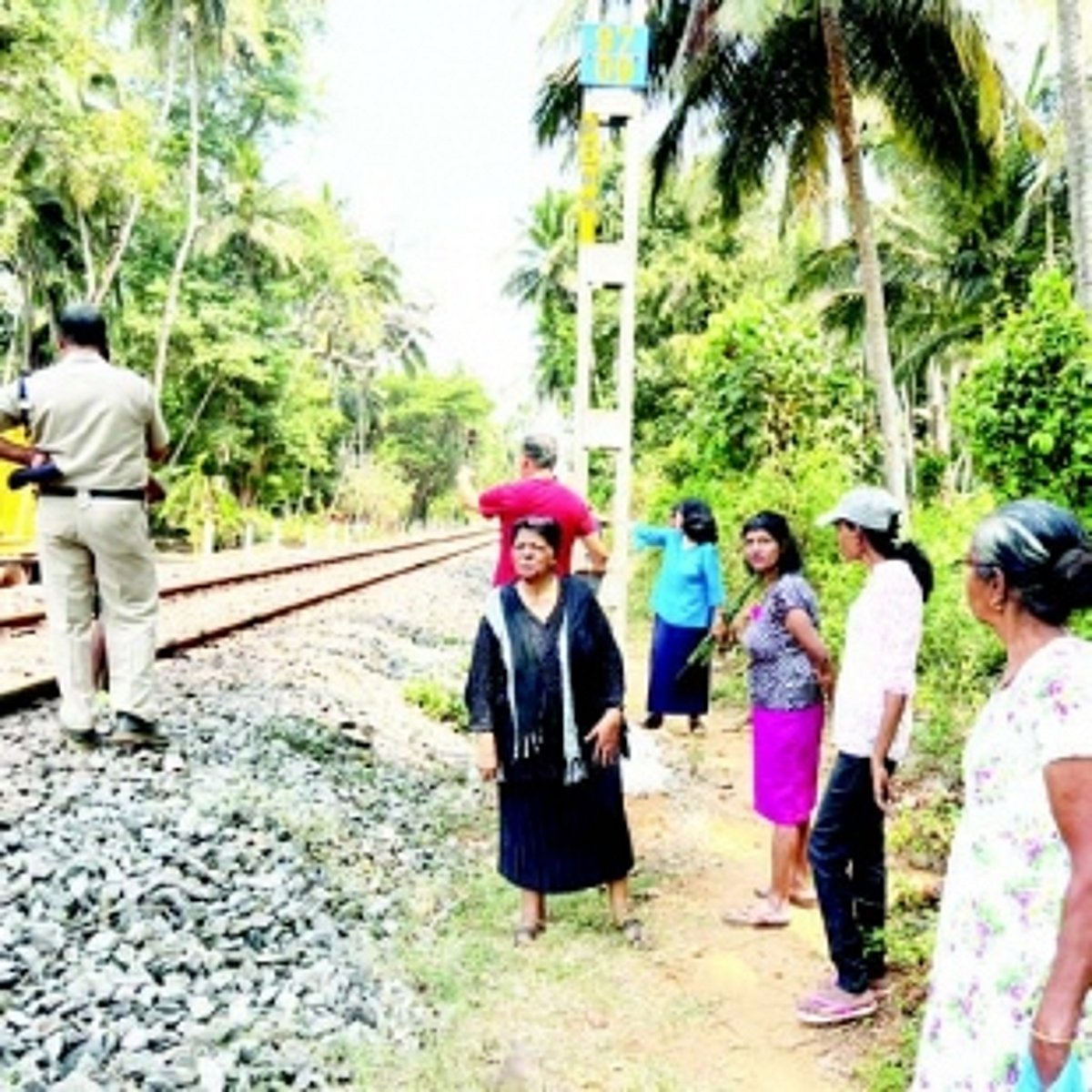
PANJIM: Stating that large-scale dust pollution was evident, the High Court Judges, who visited the site of ongoing Smart City works said that the reasons why this project involving crores of rupees from public funds, was made to linger, causing significant suffering to the residents of Panjim, needs to be probed someday.
During the hearing of two public interest litigation (PIL) writ petitions filed by the Panjim citizens, the High Court Justices Mahesh Sonak and Valmiki SA Menezes said, “During our site visit, signs of large-scale dust pollution were evident. Though some measures appeared to have been adopted since our order dated 27th March 2024, it was obvious that such measures were insufficient to wash away the layers of dust that settled on the streets and houses in Panjim over the last two years,” the judges observed.
“The streets were dug up, rendering access to houses and safe commuting extremely difficult, if not impossible. There was no clarity about alternate routes. The safety and well-being of the aged and the sick were perhaps not even considered until recently,” they said.
“Coordination between the multiple agencies involved appeared to be a casualty. The consultants who planned this project and who were perhaps expected to monitor its execution were nowhere at the site. The reasons why this project involving crores of rupees from public funds was made to linger, causing significant suffering to the residents of Panjim, needs to be probed someday,” the judges added.
The Judges have further stated that during their site visit, the residents justifiably pointed out how they have suffered from dust pollution for the last two years. The residents also pointed out that during the last two to three day, the authorities had taken measures like sprinkling water, sweeping roads, removing mud/dust heaps, etc. All this was quite evident during our site visit, the Judges said, adding that the residents however, expressed apprehensions that even such measures might not continue after our site visit. Some residents expressed apprehension about the measures taken and suggested that heavy-duty vacuum cleaners be used, which residents said were available with the Department of Tourism and the Margao Municipal Council.
The Court has directed the Imagine Panaji Smart City Development Limited (IPSCDL) to take all possible measures to see that dust pollution, which was rampant is reduced to a minimum. The Goa State Pollution Board (GSPCB) must constantly monitor the situation and, if necessary, issue directions to the IPSCDL from time-to-time so that the dust pollution does not exceed the permissible norms.
All authorities including IPSCDL and GSPCB must ensure that there is a minimum inconvenience to the residents, keeping in mind that there are several senior residents in these localities, where the work is being carried out.
The Court further said that now the priority is to complete the work before May 31, 2024 as per the deadlines set by the government for the IPSCDL, and possibly the deadline set by the various executing agencies to their respective contractors.
“The people have suffered enough. To expect them to suffer indefinitely strikes at Article 21 of the Constitution, which obliges the State not to deprive any person of their right to life and liberty. This Constitutional Article obliges the State and its instrumentalities to maintain a pollution-free (which would include dust-free) environment and reasonably good roads for their day-to-day activities. The right to life cannot be reduced to a right to merely survive in miserable conditions,” it said.
The Judges stated that though during the site inspection, the position in Panjim appeared to be grim, they did not wish to undermine in any manner the efforts put in by Managing Director and CEO of IPSCDL, Sanjit Rodrigues.
“However our emphasis is to prevail upon the ISPCDL and the other executing agencies to stand by their commitment to complete the works by May 31, 2024. Such works must be completed without compromising quality by causing minimum pollution and having maximum regard for safety,” they said.
Regarding the traffic situation, the Judges hardly found any signage informing public about the closed roads and the alternative arrangements made. They said that assurance that the executing departments, i.e. PWD, GSUDA and IPSCDL, would ensure adequate signage within the next three days was not sufficiently complied with.
The matter has been posted for further consideration on April 17.