As we embark on the solemn journey of Lent, Ash Wednesday emerges as a poignant reminder of our mortality and the call to reconcile with our faith. Rooted in ancient tradition yet resonating deeply in our modern lives, this sacred day marks the commencement of the penitential season leading up to Easter Sunday.
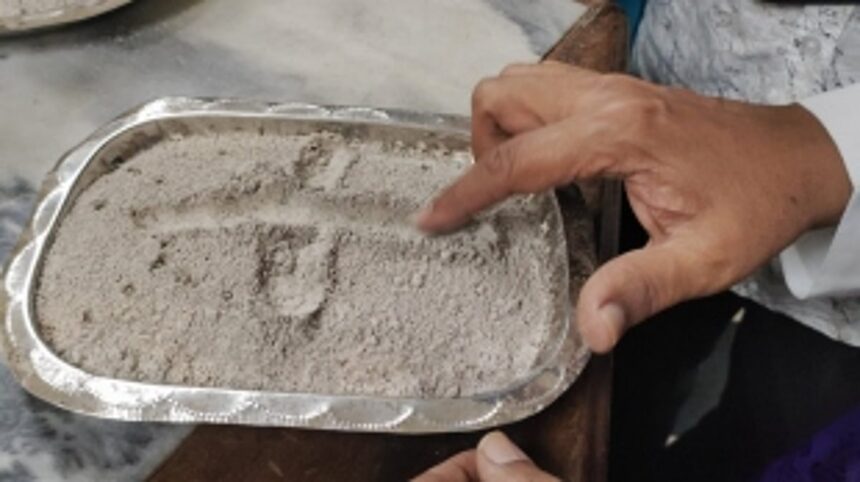
In the modern Roman Catholic Church, Ash Wednesday is observed with solemnity, as worshippers receive the sign of the cross in ashes on their foreheads—a tangible symbol of repentance and the fragility of human existence. This act, derived from the burning of palms used in the previous year’s Palm Sunday celebration, serves as a solemn call to remember our sins and the sacrifice of Christ.
Fr. Walter D’Sa, parish priest of Immaculate Conception Church in Panjim, highlighted the significance of Ash Wednesday, affirming, “Lent began with Ash Wednesday, the practice of applying ash in the form of a cross on the forehead which symbolises God’s blessings. Lent is observed by praying, fasting, abstaining, and following the word of God. Lent is a good time to get closer to God.”
For Catholics, Ash Wednesday and Good Friday stand as obligatory days of fasting and abstinence, wherein believers partake in one full meal and refrain from consuming meat—a tangible expression of spiritual discipline and sacrifice. These days hold a special place in the liturgical calendar, drawing worshippers in droves to seek reconciliation and renewal.
The roots of Ash Wednesday trace back to ancient Rome, where penitents adorned in sackcloth were marked with ashes as a visible sign of their commitment to public penance at the onset of Lent. Today, Christians worldwide embrace this tradition, acknowledging both the inevitability of death and the opportunity for spiritual transformation.
As the faithful journey through Lent, they are encouraged to embrace the Three Pillars of prayer, fasting, and almsgiving. These acts of devotion serve as pathways to deeper spiritual connection, prompting believers to reflect on past transgressions, seek forgiveness, and pursue personal growth.
The words spoken by priests during the imposition of ashes, “Repent and believe in the Gospel,” and “Remember that you are dust, and to dust you shall return,” echo the timeless call to introspection and renewal. Thus, Ash Wednesday heralds the beginning of a 40-day pilgrimage of prayer, penance, and almsgiving—a sacred season of preparation for the joyous celebration of Christ’s resurrection on Easter Sunday.