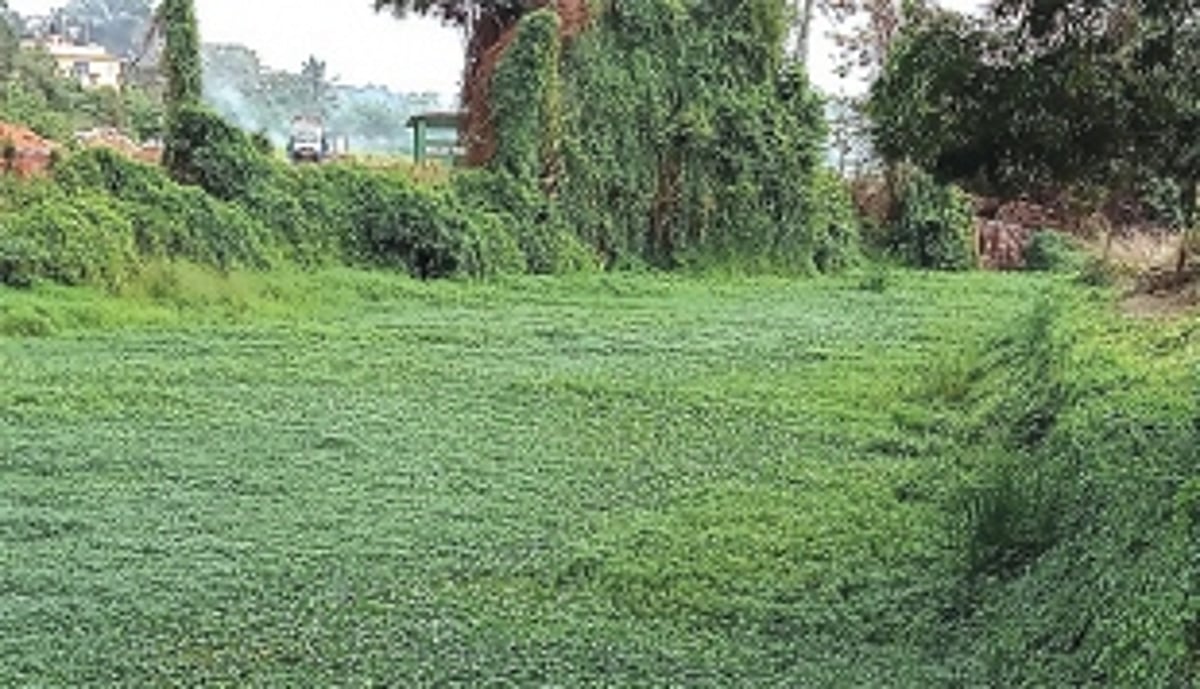
MARGAO: Citizens and environmentalists of Navelim on Friday urged the authorities concerned to clean up the Mandopa River, a tributary of River Sal, before the monsoon season, as numerous varieties of migratory birds are descending in the agricultural fields due to the river’s presence. The locals have even claimed that many people are seen setting fire to the garbage, including plastic, which causes health issues.
The dumping of mixed waste such as soiled diapers, household garbage, non-biodegradable plastics, and rotten chicken carcasses in the beautiful Mandopa River has turned it into a murky, stinking dump site. Although local authorities had initiated some clean-up drives recently, the river is yet to be cleaned, and citizens are demanding immediate action.
“We are blessed to see numerous varieties of migratory birds descending in our fields and the Mandopa River, a tributary of River Sal is the main reason behind the presence of migratory birds,” said Carmo Carneiro, a farmer, and environmentalist. He urged the local MLA Ulhas Tuenkar, Water Resources Department, and the Village Panchayat of Navelim to initiate a drive to clean the river before the monsoon by removing the non-biodegradable waste dumped in the water and the overgrown water hyacinth.
Local resident Armando L Fernandes stated that the local body, along with the citizens, needs to show more concern towards the environment and protecting biodiversity. “Not all the people from the state of Goa are blessed to witness the presence of the migratory birds. The people of Navelim are fortunate to have rich biodiversity and hence need to show more concern for our environment and preserve it for the coming generations,” he added.
He further said that they have noticed garbage overflowing from the river during the monsoon in the past, resulting in major hardships to the residents. According to him, the concerned authorities should keep a strict vigil on the illegal activities of garbage dumping.
The citizens believe that negligence towards animals can cost their innocent lives, and asserted the importance of living in harmony with nature.