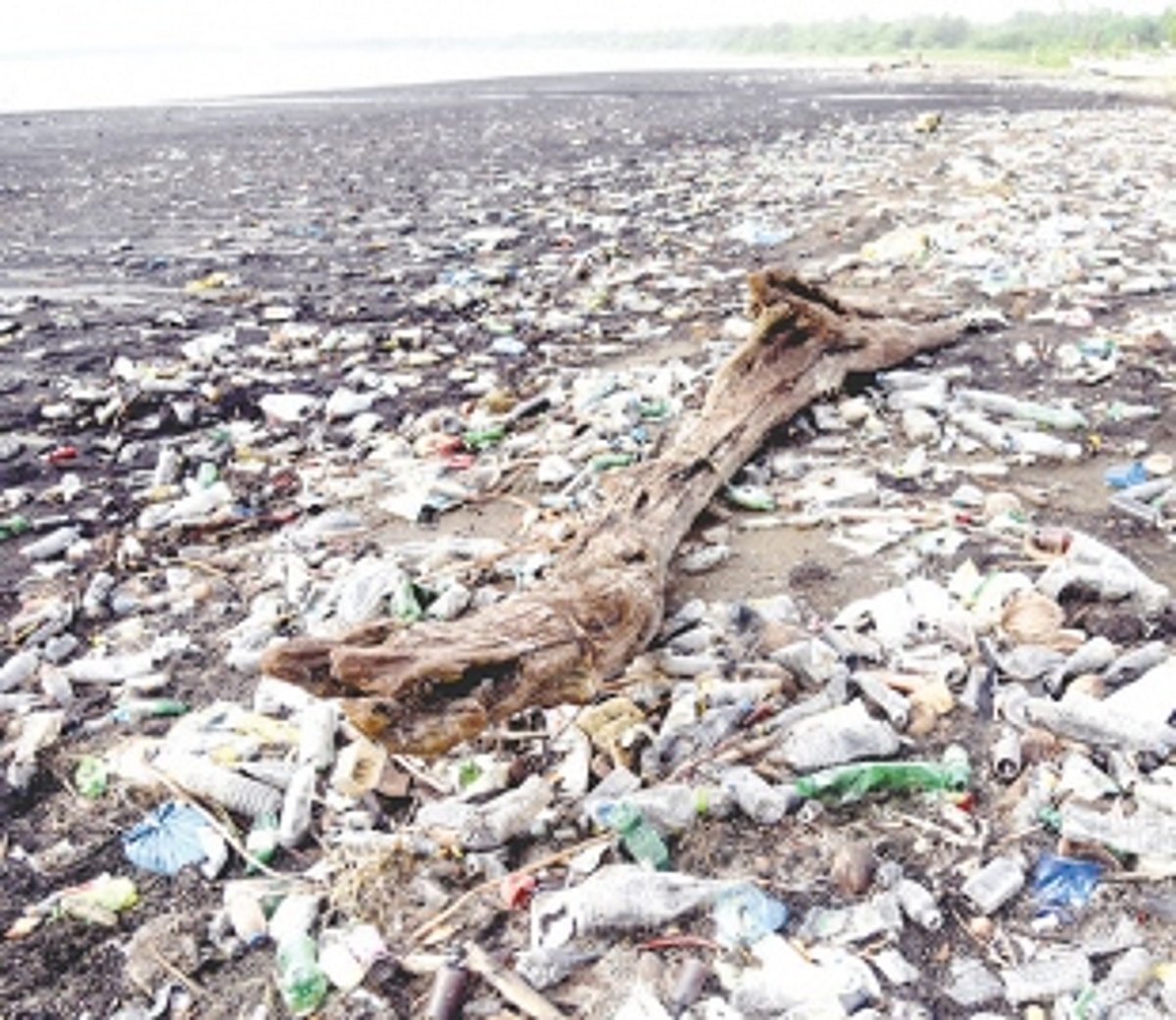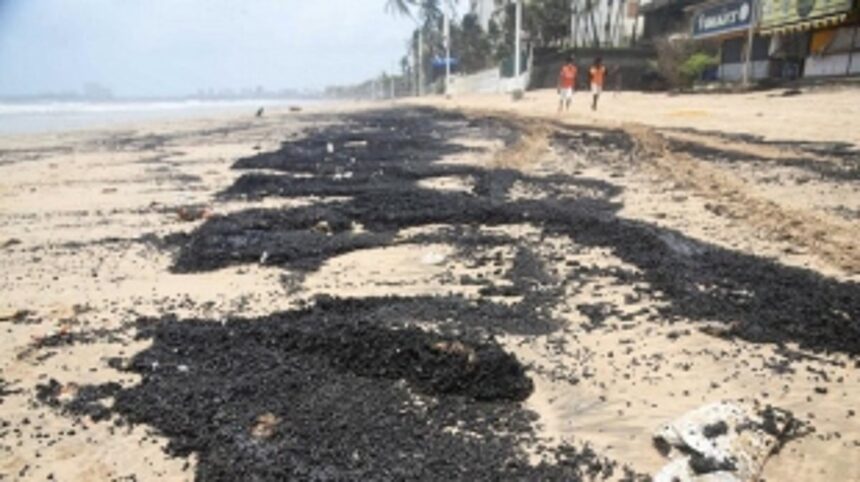
PANJIM: As Goa’s golden beaches turn murky with ecological hazardous tar balls – a common phenomenon during monsoons, the National Green Tribunal (NGT) – appointed committee feels it’s almost “impossible” to find out the exact source on the west coast of India – comprising of Goa, Maharashtra and Gujarat, is the busiest international shipping routes.
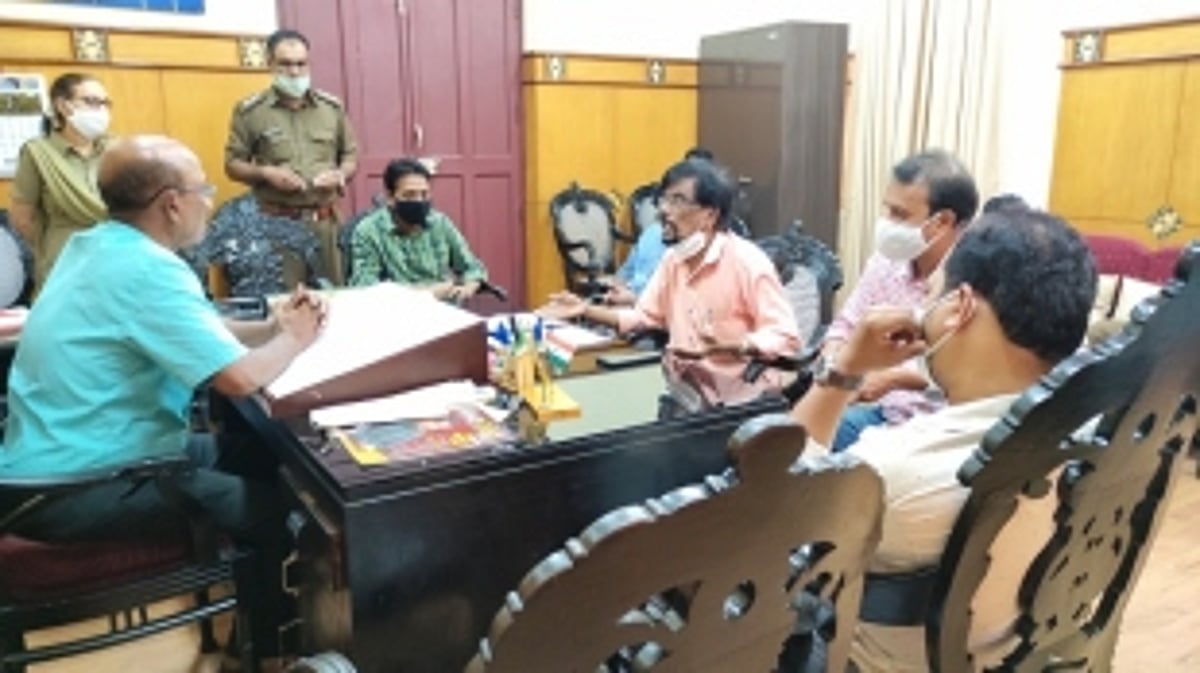
The committee – comprising of representatives from the Ministry of Ports, Shipping and Waterways, India Coast Guard Organization and governments of Goa, Maharashtra and Gujarat – has decided to conduct a detailed study through CSIR-National Institute of Oceanography (NIO), to identify the various sources of tar balls covering all possible scenarios like the operation of off-shore oil fields, ship leakages or discharge, oil spill events, etc.
NGT appointed committee and its technical sub-committee had their first meeting last month, during which it was observed that “considering the busy international shipping route along the west coast, it is very difficult to attribute a single source for tarball formation with a high degree of confidence”.
Ever since tar balls first started being spewed on Goa’s beaches in the 1970s, the NIO scientists have been studying the possible source of the pollution. Some of its research papers traced them to offshore drilling rigs in Bombay High and others to bunker oil and water discharged into the sea by ships and other vessels.
As per Committee, the past NIO studies attributed various reasons for tarball formation like offshore oil exploration activities, oil tanker accidents, oil-well blowouts, pipeline leakages, and release of bilge and industrial effluent from ships and tanker washes along the route.
“Out of the various studies done by NIO, it was not that some of the studies have tried to closely relate the probable source of tar balls. However, it was also noted by the Committee that the west coast is among the busiest shipping routes and it is almost impossible to find out the exact source,” reads the minutes of the meeting.
The Committee also noted that the tar-ball formation problem is a global issue and many countries are grappling with the problem due to the location of oil fields, intentional shipping routes, etc.
The Technical sub-committee decided to conduct a study through NIO, in support of the Central Pollution Control Board (CPCB) along with other key stakeholders on board like the Indian coast guard to identify the exact source of tar balls, to review the current mechanism of addressing the problem and suggest preventive measures along with preparing Standard Operating Procedures for oil filed operators and vessel operators.