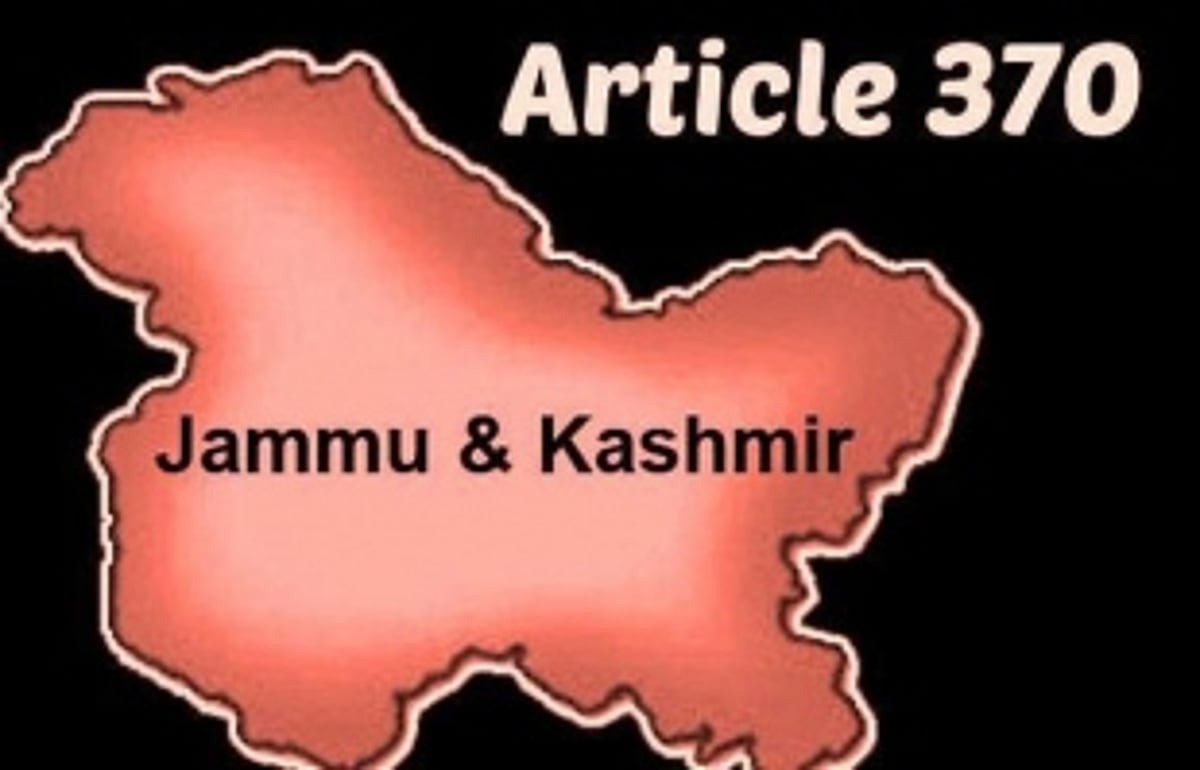
The abrogation of Article 370 of the Indian Constitution was well within the ambit of the BJP election manifesto, which declared that repeal of Article 370 is on the agenda of the party. It was not a hidden programme. The BJP was waiting for a landslide victory and on getting it, went ahead in the very first session of parliament. Politically smart, as they get the full term for damage control, if any. The votaries of majoritarian politics are bound to celebrate the event beating the drums of national interest, though internally the vicarious pleasure is of withdrawal of constitutional privileges and protection to the minority dominated Jammu & Kashmir state. There may be conflicting opinions on whether such repeal as done through a Presidential authorisation, The Constitution (Application to J&K) Order, 2019 is constitutionally sustainable as Article 370 was an ‘entrenched’ constitutional provision. Further, the J&K Reorganisation Bill tabled in Parliament seeks to convert the troubled Valley into a union territory meaning that it would be the writ of the Central government that would finally prevail. Both combined is the effective removal of Article 35A from the primary law of the country.
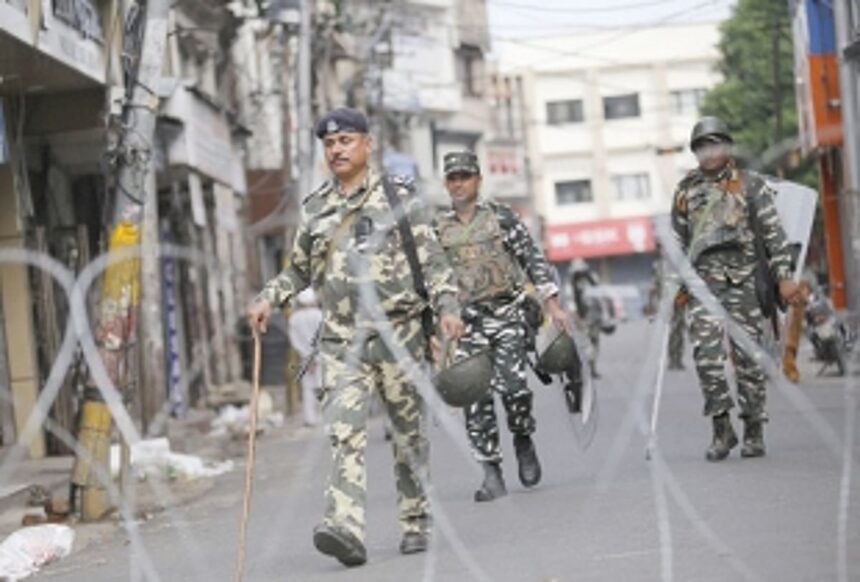
On the one side the Central government floods military and police personnel in J&K, keeps political leaders under house arrest and imposes Section 144. On the other side, we see the BJP along with the fringe groups bursting firecrackers in the nook and corner of the country. It looks that BJP’s India is unkind to the people of J&K and the jingoism demonstrated is an expression of elated pleasure at how their party has treacherously removed the carpet of Article 370.
All such elements should be made aware that Article 370 is not the cause of the territory being infested with terrorism and militancy. This provision was to protect the economic interests, identity and hold of the locals on local resources. It was the recognition to the community with Muslim majority ruled by a Hindu king as being a distinct socio-cultural-language identity.
It is not that Article 370 should stand in the Constitution ad infinitum but it can be modified or repealed through the constitutionally-laid down procedure. The repeal of an entrenched constitutional provision through totally coercive means under the might of brute majority and without effective dialogue, discussion, consultation and concurrence is the signal that dictatorship has arrived concealed in the wrapping of democracy. The BJP had made the intentions explicit in their manifesto; hence, this cannot be labeled as betrayal. The manner in which the agenda in the manifesto is taken forward is rank dishonest and illegal. The way Article 370 is rendered defunct is akin to cheating in the completely one-sided game played by the government. The batsmen, bowlers and fielders are all of the government. As the State is under President’s rule, the parliament assumes the powers of the State assembly. The concurrence of the State assembly is reduced to the approval of the central cabinet. It is this bolt from the blue that will create a knot for quite a perennial stretch of time.
Provisions in the constitution are entrenched for good reasons and to make the process of change arduous. Entrenchment adds certainty and stability to law but does not make change impossible. The way in which Article 370 is made defunct is violating all protocol and essentials of constitutionalism. The entrenched provision can be changed by following the procedure as set out in the same. The J&K constitution was made by the State legislature and the same stands entrenched against this body. It may not be difficult for the Courts to uphold the entrenchment in the instant case and strike down the Reorganisation Bill as well as the Presidential order. The argument of terrorism in the Valley cannot be the sole justification for the action to negate the special provision bypassing the procedure laid down. On the contrary, the same argument could stand for retention of Article 370 as it guarded the honour, pride and distinct identity of Kashmiri people.
Was Article 370 the cause of terrorism in Kashmir or are the factors external to this special status? Are the residents of Kashmir beneficiaries of terrorism in any way? Did it function as the road block against the efforts to combat terror links and groups? The correlation between Article 370 and terrorist activity is far-fetched and more of an anti-Muslim propaganda material. There are ten states enjoying special status for special reasons under Article 371 and 371(A) to (J). There is also clamour from some such as Goa, Orissa, Andhra Pradesh, Telangana and Bihar for special treatment.
Majority in the rest of India feel that abrogation of Article 370 will nail terrorism and restore peace. This belief is on weak foundations. However, Kashmir may gain more of India and India along with people of Kashmir could lose the bountiful exotic gift. Being born and brought up in the tiny State of Goa, I have seen how Goa gained India but India and Goans are on the road to lose Goa which was everybody’s envy.