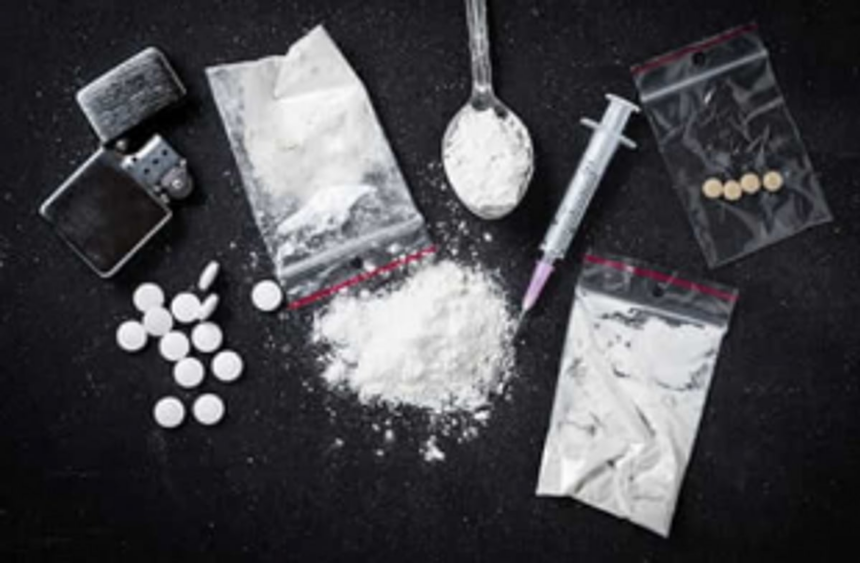
MARGAO: Bent on countering the drug menace in South Goa, the police have been focusing on a two-pronged strategy: Raiding suspected drug hubs, and holding awareness drives to educate the youth about the ill-effects of narcotic substances. Despite their best efforts, however, sale of drugs – particularly cannabis (ganja) – is widespread in the district.
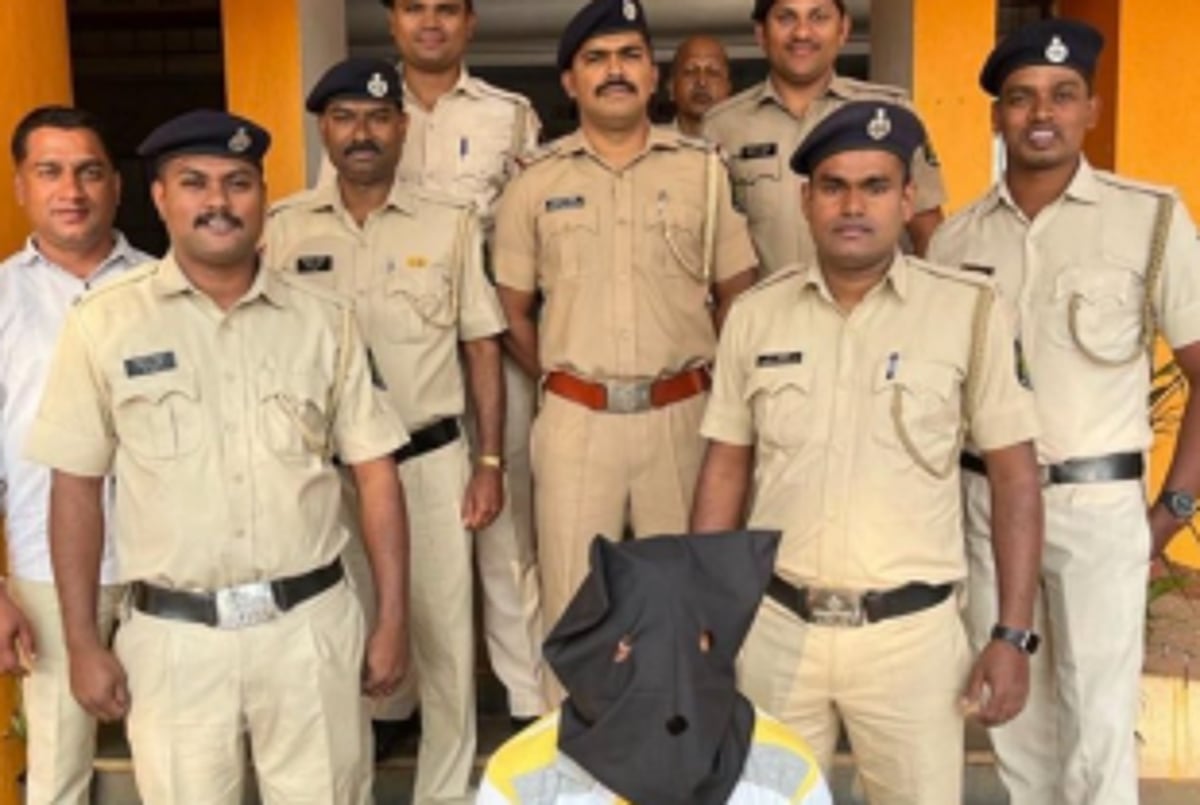
On January 11 this year, for instance, a raid conducted near the railway bridge ring road at Aquem, Margao, resulted in the arrest of a Maharashtra native, Kamaran Ansari, who was nabbed with 650g of ganja at a narcotics hotspot.
In what is perhaps a first for the Margao police, a woman from Odisha was arrested a month ago for peddling drugs in the same location. Aarti Naik was found to be in possession of more than 5 kg of ganja estimated to be worth over Rs 5 lakh.
Last year, the South Goa police booked 24 cases under the Narcotic Drugs and Psychotropic Substances Act, 1985, a marginal rise from the 19 cases booked in 2021. In most of the raids conducted in 2022, cannabis was the predominant drug seized and a maximum number of cases was booked in the jurisdictions of the Vasco, Margao and Ponda police stations. A police officer disclosed that most of the accused hail from Madhya Pradesh, Karnataka, Bihar, Uttar Pradesh and Odisha, and that several cases are in court.
In 2020, the Salcete police alone booked 17 cases under the NDPS Act, while 49 were booked by the South Goa police from just January 1 to July 7, 2019. In 2018, the total number of raids conducted reached 77, and in 2017, 60 cases were booked by the South Goa police, of which the highest number, 17, were booked in Margao.
The police have now intensified day and night patrolling to curb drug-peddling.
Harrowed by the menace, villagers from Cuncolim had, in the recent past, handed over a memorandum to the local police. They alleged that drug peddlers had been targeting the youth and school students, creating a nightmarish situation.
Aggressive enforcement of the narcotics law may help to deal with the problem more thoroughly, a Margao-based lawyer said. A retired police officer, however, said that lack of manpower and drug detection training, coupled with some avoidable procedural delays hamper the effectiveness of the police’s drug prevention efforts.