This election witnessed a record diversity of contestants from political parties to independents, each with their manifesto listing their promises and solutions. Even citizen’s groups chipped in with their own manifestos and ‘charter of demands’. This may indicate a vibrant socio-political space where the issues at hand are seeing a healthy discussion. However, at a quick glance it is easy to see that many of these solutions and promises are just eyewash: convenient quick fixes and cover-ups. Beware of “Patchwork Promises”.
A good way to judge a manifesto is to see if it ties in with a vision: What do the different bits add up to? Do they first benefit the people or the big company? Do they address a real need or fuel a pipe dream? Will this eat more into our land and our resources, or will it help nurture our environment and ecology? Are these solutions just for now or for a lasting forever?
Goa is the smallest state in the country but one of the wealthiest and most educated. Yet, disturbingly, it also ranks high on corruption – with a number of major and minor scams to its credit. This corruption feeds into society people benefitting from the scams and “settings” with an extra income. For the rest there are sops and doles to keep them from cribbing. This enormous wealth that is being looted and doled out is earned from selling Goa’s most precious natural resources: minerals, real estate and natural beauty. But this is not a bottomless pit. It is being depleted and destroyed beyond repair. Can Goa move away from pimping its motherland, or will it milk the land dry? Will Goa be able to break out of this “rent seeking” mode? March 11 will tell: the Goan is on trial.
What do you want to see Goa as?
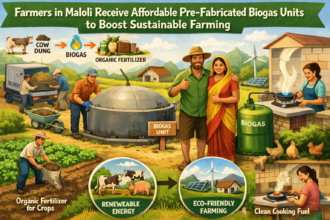
Today, Goa’s infrastructure, economy, employment and environment are all at a critical stage. How does fixing one affect the other? Are the new bridges and industries that provide infrastructure, employment and development desirable at the cost of our environment, health and security? Do we envision a future Goa with ‘smart cities’, rapid transport, fast connectivity, mega malls, tall residential buildings, fancy office blocks, hi-end tourist hotels and vast industrial hubs? Or can we live with ‘smart villages’, renewable energy, organic agriculture, affordable housing, vast public spaces, farmer’s markets and a cottage-tourism-industry? The difference is this: the first will bring in builders, contractors, workers and machines from the outside, eat up the land and resources, flood it with migrants and leave a mountain of waste and garbage for Goa to manage. The other will require Goans to lead, manage and get involved: use local knowledge, traditional skills, and community resources with which to build public infrastructure and facilities for common good.
Saving Goa will involve participating at every step with local communities, local issues and local governing bodies – no matter who gets elected.