Technology has become perhaps the greatest agent of change in the modern world. While never without risk, positive technological
breakthroughs promise innovative solutions to the most pressing global challenges of our time, from resource scarcity to global
environmental change. The World Economic Forum’s Global Agenda Council on Emerging Technologies identifies recent key trends.
Body-adapted Wearable Electronics From Google Glass to the Fitbit wristband, wearable technology has generated significant attention over the past year, with most existing devices helping people to better understand their personal health and fitness by monitoring exercise, heart rate, sleep patterns, and so on. The sector is shifting beyond external wearables like wristbands or clip-on devices to “body-adapted” electronics that further push the ever-shifting boundary between humans and technology.
Nanostructured Carbon Composites Emissions from the world’s rapidly-growing fleet of vehicles are an environmental concern. New techniques to nanostructure carbon fibres for novel composites are showing the potential in vehicle manufacture to reduce the weight of cars by 10% or more. Lighter cars need less fuel to operate, increasing the efficiency of moving people and goods and reducing greenhouse gas emissions. Mining Metals from Desalination Brine As the global population continues to grow and developing countries
emerge from poverty, freshwater is at risk of becoming one of the Earth’s most limited natural resources. In addition to water for drinking,
sanitation and industry in human settlements, a significant proportion of the world’s produce comes from crops grown in arid areas.
Grid-scale Electricity Storage Flow batteries may, in the future, be able to store liquid chemical energy in large quantities analogous to the storage of coal and gas. Various solid battery options are also competing to store electricity in sufficiently energy-dense and cheaply available materials. Newly invented graphene supercapacitors offer the possibility of extremely rapid charging and discharging over many tens of thousands of cycles.
Nanowire Lithium-ion Batteries Able to fully charge more quickly, and produce 30%-40% more electricity than today’s lithium-ion batteries, this next generation of batteries could help transform the electric car market and allow the storage of solar electricity at the household scale. Silicon-anode batteries are expected to ship in smartphones within two years.
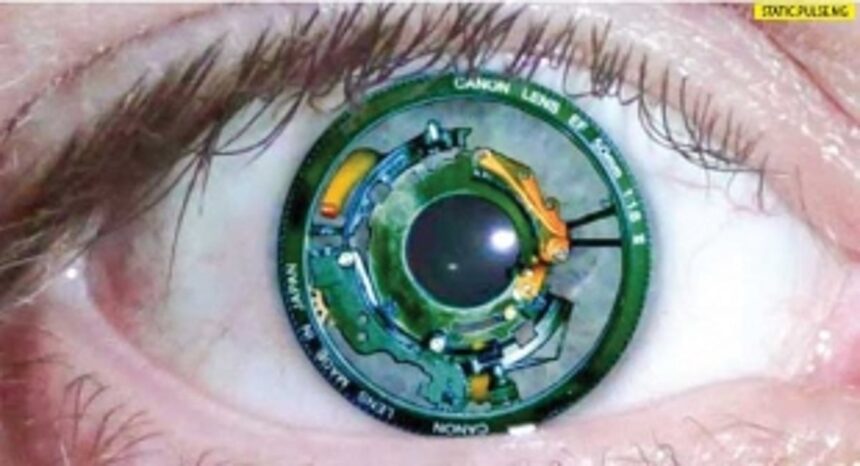
Screenless Display
Screenless display may also be achieved by projecting images
directly onto a person’s retina, not only avoiding the need for weighty
hardware, but also promising to safeguard privacy by allowing people
to interact with computers without others sharing the same view.
Human Microbiome Therapeutics
It is increasingly understood that this plethora of microbes plays
an important role in our survival. It is increasingly understood that
antibiotic treatments that destroy gut flora can result in complications
such as Clostridium difficile infections, which can in rare cases lead to
life-threatening complications.
RNA-based Therapeutics
Over the past year, there has been a resurgence of interest in this new
field of biotech healthcare, with two RNA-based treatments approved
as human therapeutics as of 2014. RNA-based drugs for a range of
conditions including genetic disorders, cancer and infectious disease are
being developed based on the mechanism of RNA interference, which is
used to silence the expression of defective or overexpressed genes.
Quantified Self (Predictive Analytics)
The quantified-self movement has existed for many years as a
collaboration of people collecting continual data on their everyday
activities in order to make better choices about their health and
behaviour. But, with today’s Internet of Things, the movement has
begun to come into its own and have a wider impact.
Brain-computer Interfaces
Recent research has focused on the possibility of using braincomputer
interfaces to connect different brains together directly.
Researchers at Duke University last year reported successfully
connecting the brains of two mice over the Internet (into what was
termed a “brain net”) where mice in different countries were able to
cooperate to perform simple tasks to generate a reward.